What a whole house filter does for daily use
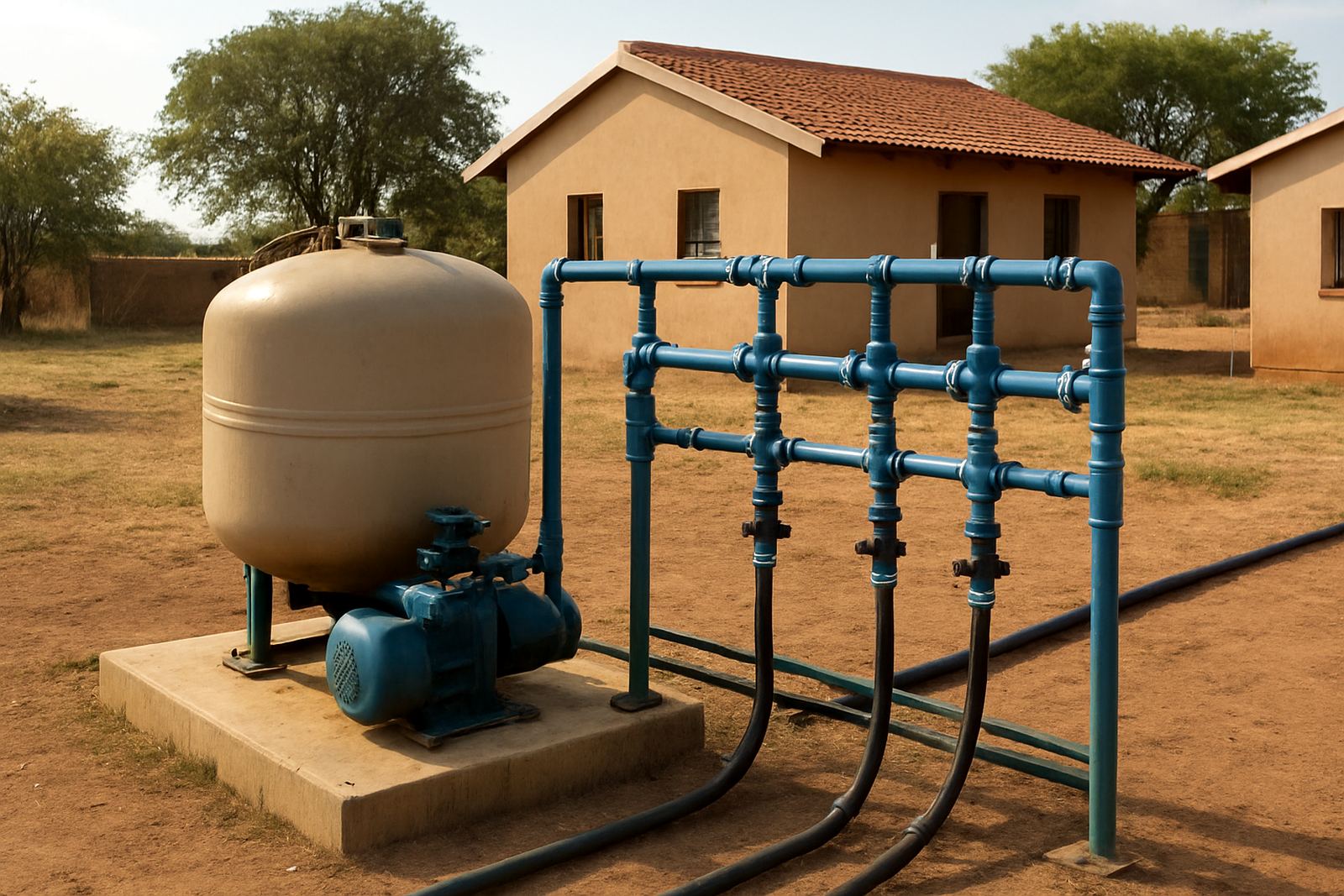
A whole house filter is fitted on the main water line so every outlet in the home gets treated water. That means the kitchen, bathrooms, geysers, washing machine and garden points all benefit from one system rather than fitting small filters at each tap. For households in Brits, Pretoria, Hartbeespoort and coastal towns in the Western Cape, this is a practical way to deal with sediment, tannins, taste issues and general grit in stored or pumped water. It is also useful where municipal water changes in quality after heavy rain or pipe work.
The setup usually combines a sediment stage with one or more polishing stages. Depending on the source water, the filter can be arranged to catch sand, rust, algae, fine particles and some bad smell. It will not turn poor borehole water into drinking water on its own, so the final choice must match your water test results and the use you have in mind. A good system is sized to keep flow steady, even when the family is showering and the washing machine is running at the same time.
Sizes, flow rates and filter stage options
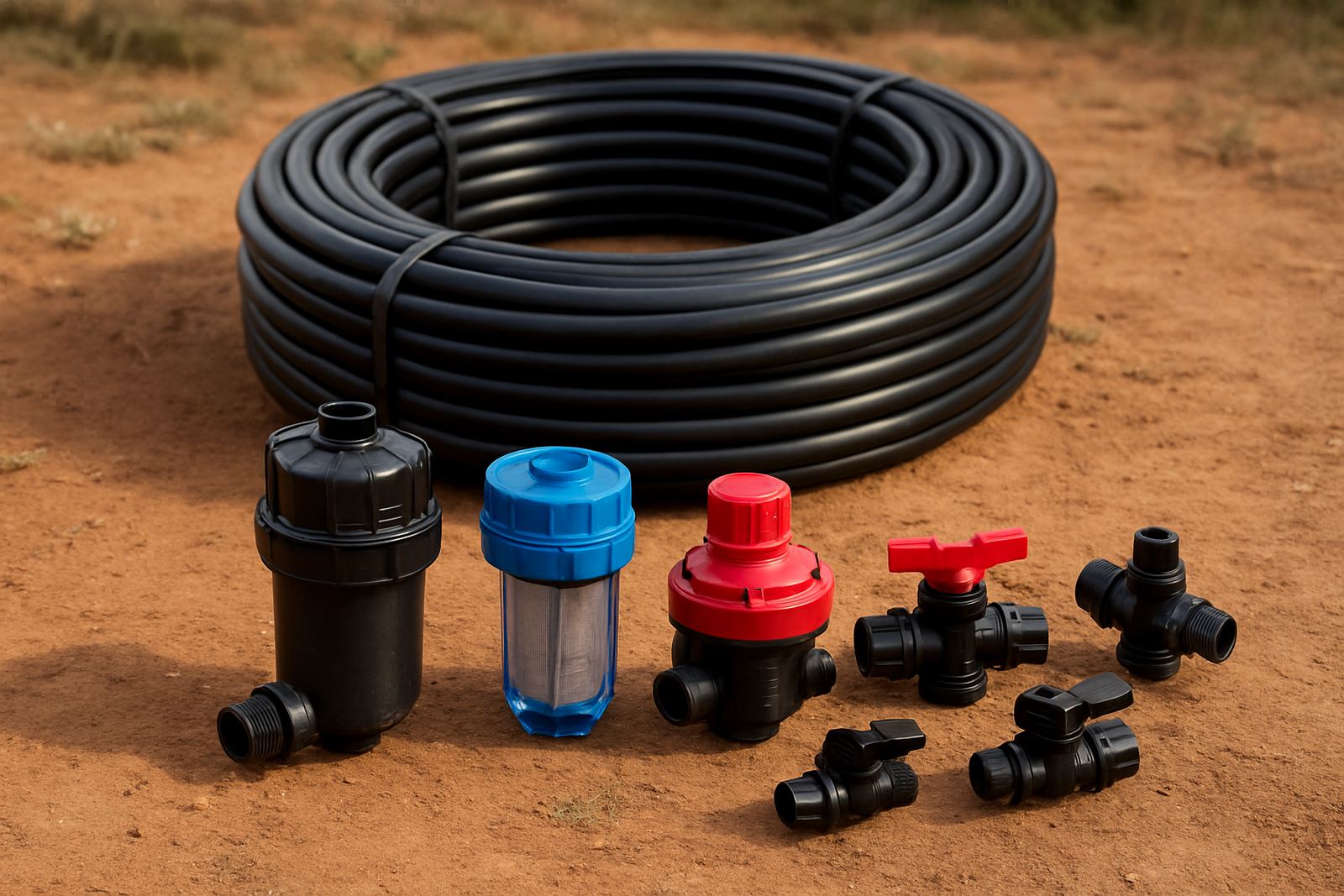
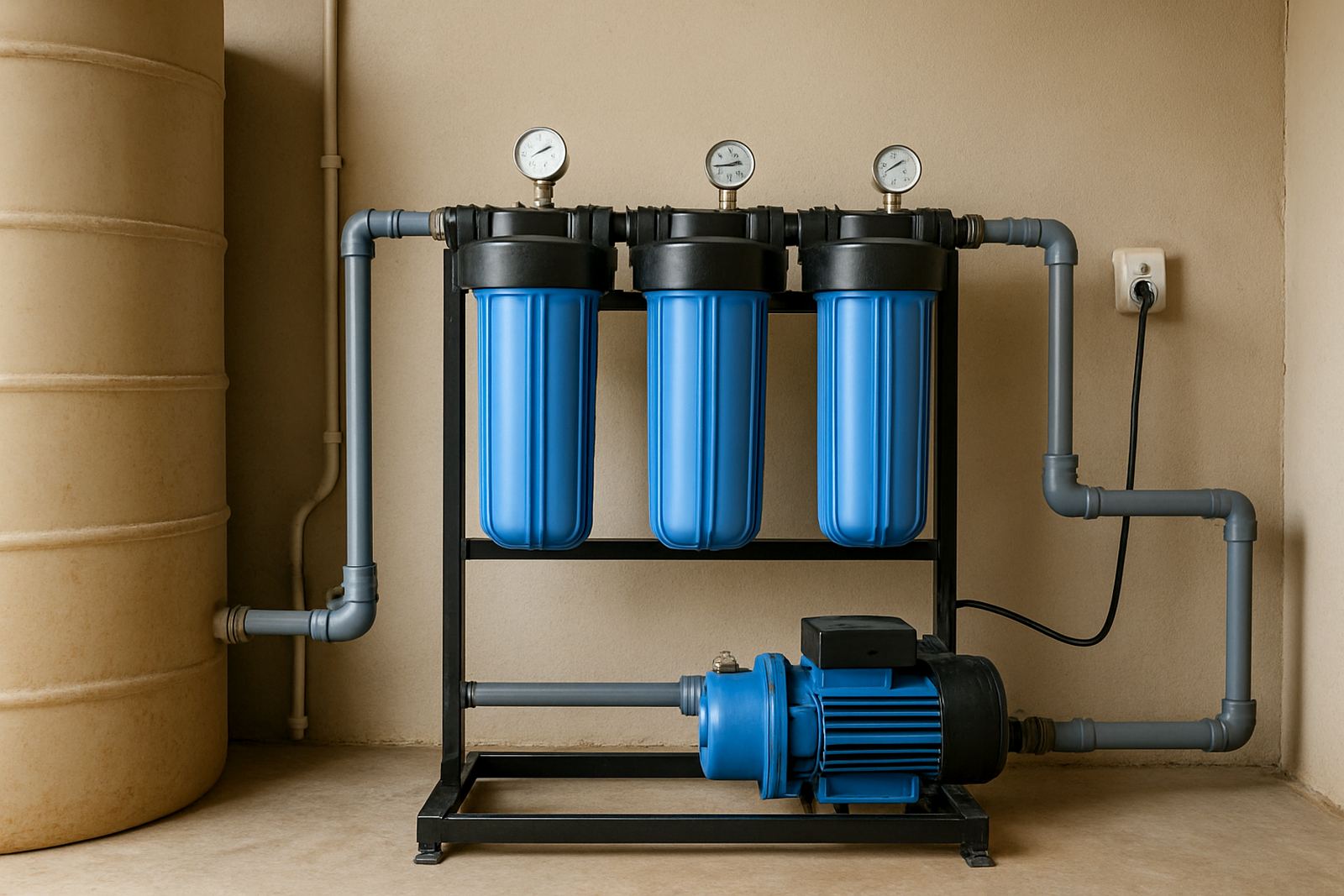
Hydrated supplies whole house filter kits in sizes that suit small homes, larger family houses and farm houses with higher demand. The main choice is the housing size, cartridge type and the number of stages. Larger housings hold more media or larger cartridges, so they can keep pressure loss lower where the home uses several outlets at once. In many cases, 10 inch and 20 inch housings are common options, with single, dual or triple stage layouts depending on the water source and treatment goal.
- Single stage: Basic sediment control for cleaner supply lines and protection of pumps and geysers.
- Dual stage: Sediment plus finer polishing, useful where water has visible particles or a slight smell.
- Triple stage: Better for borehole or tank water that needs more careful treatment before household use.
- High flow housings: Suited to larger homes, guest units or farm houses where pressure must stay steady.
Common cartridge ratings include 5 micron and 20 micron sediment filters, with carbon stages used where taste and odour are a concern. In some installations a washable filter is better for raw borehole water, while disposable cartridges suit cleaner pre-filtered supply. The right choice depends on how often you want to service it and how dirty the source water gets after rain or pumping, sometimes the water looks fine but the cartridge tells another story.
Best use cases in homes, farms and mixed supply systems
This product suits homes with borehole supply, rain-tank supply or a combination of both. It is also a solid option for smallholdings, farm houses and staff accommodation where water quality can vary through the year. In places like Rustenburg and Bloemfontein, seasonal dust and mineral content can cause recurring build-up in taps and geysers. On the coast, higher humidity and tank growth can create a different set of issues, so the filter choice should follow the actual source water rather than a one-size-fits-all approach.
It is a good fit when you want to protect plumbing and appliances, improve shower and laundry water, or reduce dirt load before more sensitive treatment. If you are using harvested rainwater, the system can be added after the tank to remove debris that slips through first flush devices. If the water is for a farm kitchen, guest unit or staff house, a whole house filter gives a cleaner base supply and makes annual maintenance easier to plan.
- Homes using borehole water with visible sediment.
- Properties with rain tanks and roof runoff.
- Farm houses and accommodation blocks with moderate demand.
- Households wanting a better base before UV or other treatment.
Installation position, pressure and power needs
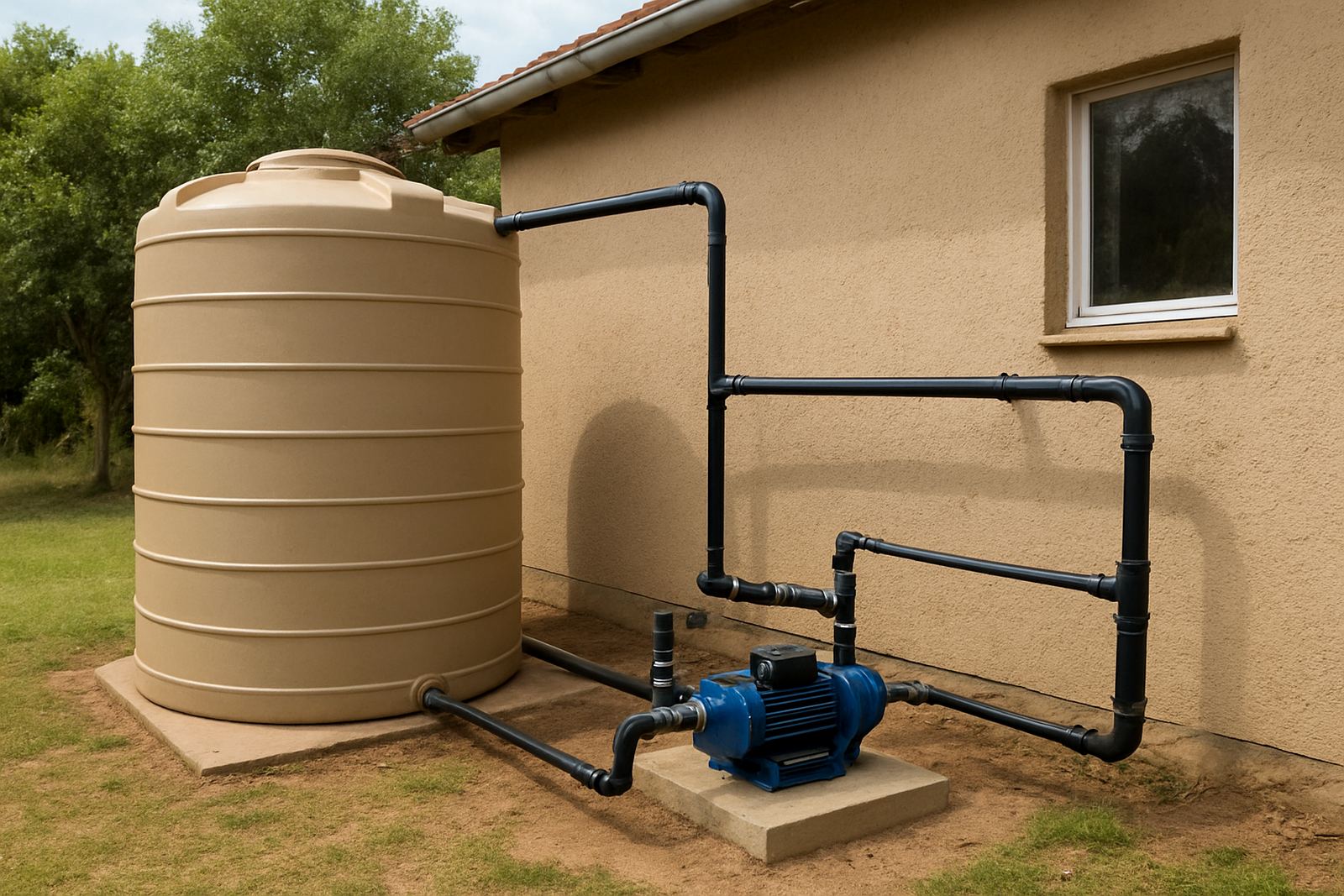
The filter is usually installed after the tank, pressure pump or municipal inlet, and before the main line branches off to the rest of the house. In a borehole system, it is often placed after the storage tank and before the pressure pump, or after the pump where the layout allows proper protection. The exact position depends on your plumbing, pump arrangement and whether the source water is stored first. A neat install makes later cartridge changes much easier, and it helps if the housing is mounted where the service lid can open fully.
Most whole house filter kits do not need gas. They also do not run on electricity unless they are paired with a pump, UV unit or monitoring device. That makes them useful during load-shedding, because the filter itself keeps working when the supply pressure is available. If your home uses a pressure pump, the installer must check for pressure ratings, bypass options and whether the system can handle closed valves without damage. A pressure gauge on the inlet and outlet is worth adding so you can see when the cartridge starts to block up.
- Mount in a cool, shaded spot where possible.
- Allow enough space below the housing for cartridge removal.
- Fit isolation valves for quick servicing.
- Use the correct pressure rating for your pump system.
Care, servicing and expected maintenance
Routine care is simple, but it matters. Sediment cartridges may need changing every 1 to 3 months in dirty water conditions, while cleaner supply can stretch longer. Carbon cartridges often need replacement sooner if the water has strong odour or heavy use. If the pressure drops, the filter housing is a likely cause. A service visit should include checking seals, cleaning the housing, inspecting for cracks and confirming that there is no bypass around the filter. Tiny leaks at a union can waste more water than people expect.
For borehole and tank users, annual water testing helps confirm whether the filter is still matched to the source. If the water starts changing colour after heavy rain or tank cleaning, the cartridge spec may need adjustment. Keep a simple service log with date, cartridge type and pressure readings. That makes it easier to plan stock and avoid a last minute rush when the system starts slowing down. A small spare set on hand is useful for remote farm sites where delivery takes longer.
What to check before ordering your filter kit
Before ordering, gather a few details so the kit is sized correctly. The more accurate the information, the better the fit and the fewer return trips for missing parts. If you are unsure, a site assessment and water test will usually clear up the main questions in one visit. It also helps to know whether the water comes from borehole, rain tank, municipal supply or a mix of all three.
- Water source and whether it is stored in a tank.
- Number of bathrooms, kitchens and outside points drawing from the line.
- Pump size and pressure setting, if fitted.
- Visible issues such as sand, colour, smell or slimy build-up.
- Available space for housings, valves and gauge fittings.
- Whether you need simple sediment control or a multi-stage setup.
If you are ordering for a home in Paarl, Stellenbosch or Somerset West, mention the available space and any coastal corrosion concerns. For inland homes and farms near Brits or Hartbeespoort, tell us if the supply is sandy after pumping or if the water goes cloudy after rain. That detail helps us match the filter kit to your actual use, not just the label.
Key facts
| Product type | Whole house multi-stage filter kit |
|---|---|
| Typical housing sizes | 10 inch and 20 inch options |
| Filter stages | Single, dual or triple stage layouts |
| Common cartridge ratings | 5 micron and 20 micron sediment, carbon options |
| Recommended use | Borehole, rain-tank and mixed household supply |
| Maintenance interval | 1 to 3 months for sediment cartridges, depending on water quality |