What this farm borehole kit includes
This kit is put together for farm water use, not light domestic duty. It is aimed at moving borehole water into a tank, a header line or direct draw-off points for stock and irrigation support. The usual package includes a borehole pump, control gear, pipework, fittings, non return valve, cable, float switch options and filtration where needed.
For dusty inland conditions, hard water and long pipe runs, the kit can be matched to the borehole depth and the daily water demand. On smaller holdings near Brits or Hartbeespoort, the setup may feed a single storage tank and a few troughs. On larger farms outside Bloemfontein or in the Western Cape, the same format can be scaled for higher output and longer delivery lines.
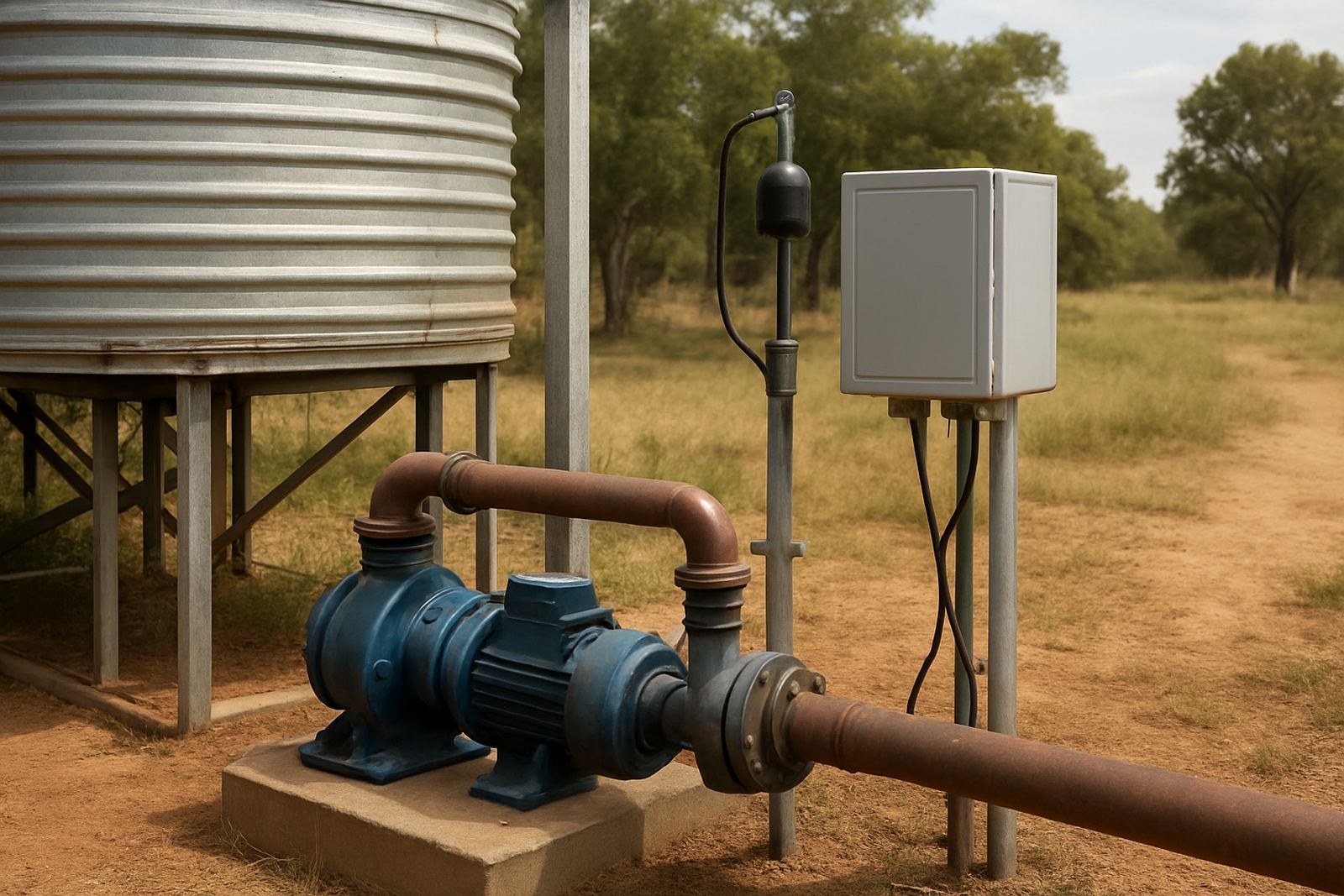
- Submersible pump matched to borehole depth and flow demand
- Control panel or starter gear for safe operation
- PVC or HDPE delivery line with fittings
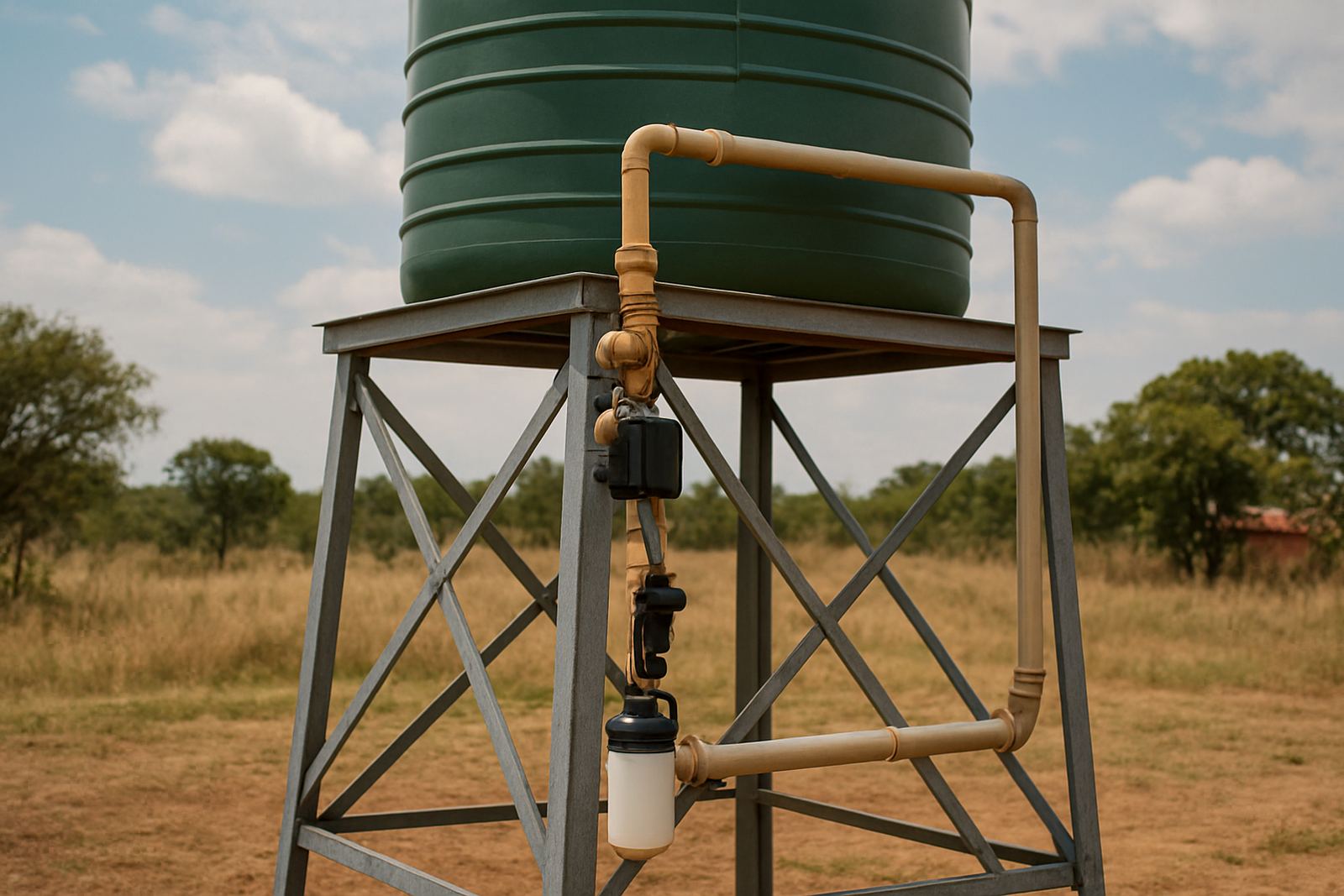
- Tank fill control with float switch options
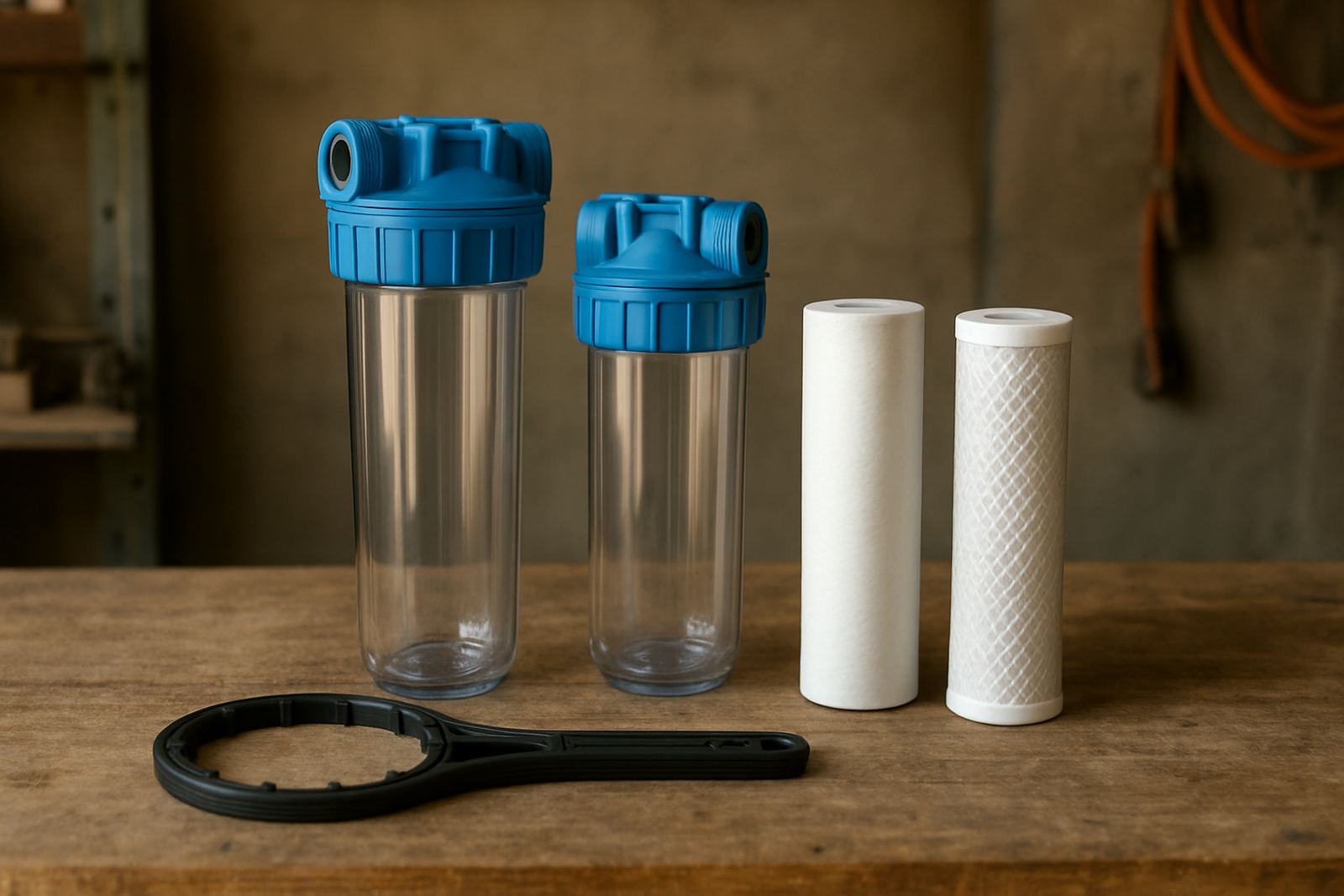
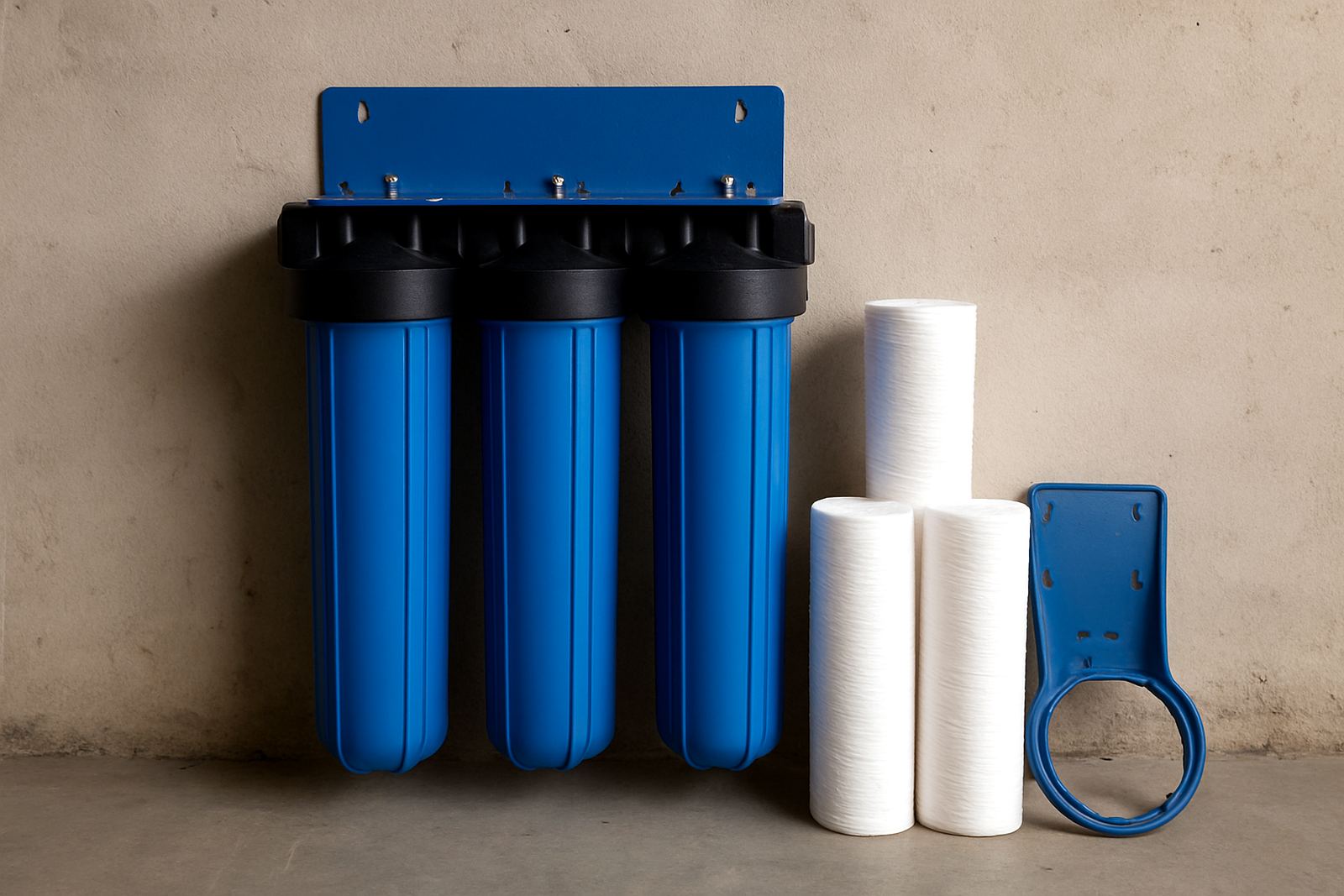
- Pre-filtration where sand, silt or iron is present
- Optional pressure tank for steadier draw-off
Sizes and pump options for different farm needs
The right size depends on borehole recovery, tank size, lift height and how many points you want to serve. A small livestock point may only need a modest flow rate, while a dairy, game farm or mixed-crop operation may need a larger pump and a wider delivery line. We size kits around real duty, not guesswork.
Common options range from compact systems for topping up a 2 500 litre or 5 000 litre tank, through to heavier farm packages that can support repeated filling over the day. If your borehole delivers water from 40 metres, 70 metres or deeper, the pump selection changes, as does the cable size and control setup. In coastal areas like Paarl, Stellenbosch and Somerset West, we also consider humidity and corrosion exposure when selecting components.
- Entry level farm kit for one tank and limited stock watering
- Mid-range kit for multiple troughs and frequent tank refills
- High output kit for larger storage and longer field supply lines
- Filter-ready options for sandy or mineral-heavy boreholes
Where this kit works best on a South African farm
This product suits farms that need dependable water without relying only on municipal supply or tanker deliveries. It is often used for cattle and sheep watering, spray tank filling, garden irrigation on the farmyard, and storage for load-shedding backup planning. In the North West and Free State, many users want a setup that keeps working through power interruptions and hot weather.
It also suits farms that have to manage water carefully under local by-laws, water restrictions or limited surface water. When a borehole is the main source, the kit helps keep water in a tank so you can draw it when needed, instead of running the pump every time a tap opens. That reduces wear and gives you more control over supply.
- Livestock troughs and handling pens
- Storage tanks for gravity-fed use
- Field wash points and basic irrigation support
- Homestead-to-farmyard water backup
Installation, power and backup planning
Installation starts with proper sizing and a site assessment. The borehole depth, water level, cable run, tank position and delivery distance all matter. We also look at the power source. Many farms use single-phase supply for smaller kits, while larger pumps may need three-phase power. Where the supply is unreliable, a generator or solar-compatible setup may be planned in from the start.
If you are preparing for load-shedding, it is worth checking what can run when the grid is off. A pump with the wrong starting load can trip or strain the supply, and that often catches people out. For solar or hybrid use, the pump size, controller and storage tank size should be matched properly. This is especially useful on remote farms where water demand cannot wait till the next power window. A tidy installation also matters for safety, and for easier fault finding later.
- Confirm pump depth and cable length before ordering
- Check if you have single-phase, three-phase or generator backup
- Allow for tank stand height and pipe routing
- Keep the control gear dry and accessible
Care, servicing and water quality checks
A farm borehole kit lasts longer when it is serviced before problems grow. Pumps should be checked for unusual noise, slow fill rates and excessive current draw. Filters need changing when water turns cloudy or flow drops. If your borehole brings up sand, iron or scale, routine checks become even more important.
We also recommend water testing where the supply will be used for stock, washing or tank storage. The test results help with filter choice and maintenance planning. Tanks should be cleaned periodically, especially in hot inland areas where sediment can build up. Annual maintenance is usually enough for lighter use, but busy farm systems may need more frequent attention, service intervals depends on water quality and how hard the pump works.
- Pump servicing and fault finding
- Filter changes based on actual water condition
- Tank cleaning for sediment and algae control
- Commissioning checks after repairs or upgrades
Checks to make before ordering your farm borehole kit
Before ordering, gather the borehole depth, static water level, estimated daily water use and the distance to the tank or point of use. If you already have a borehole report, that helps a lot. It should show depth, casing size, yield and any notes on sand or mineral content. The more accurate the information, the better the kit match.
Also check the type of power available on site, the tank size you want to fill, and whether the system needs to serve one point or several. If the farm has long pipe runs or steep changes in level, say so upfront. That helps avoid under-sizing the pump or the pipework. Our team can help with system sizing, kit assembly, delivery coordination and installation support from Brits to Pretoria, Rustenburg, Bloemfontein and the Western Cape.
- Borehole depth and water level
- Required daily water volume
- Tank size and location
- Power supply and backup plans
- Water quality concerns, such as sand or iron
- Number of troughs, taps or irrigation points
Key facts
| Product type | Farm borehole kit for livestock, storage and field supply |
|---|---|
| Typical borehole depth range | From shallow farm boreholes to deep installs over 70 metres, sized to site |
| Power options | Single-phase, three-phase or generator compatible setups |
| Delivery line | HDPE or PVC pipework matched to flow and distance |
| Filtration | Optional sediment and iron control, with water testing support |
| Service support | Installation support, commissioning checks, pump servicing and annual maintenance |