What a Rain Tank Home Kit includes
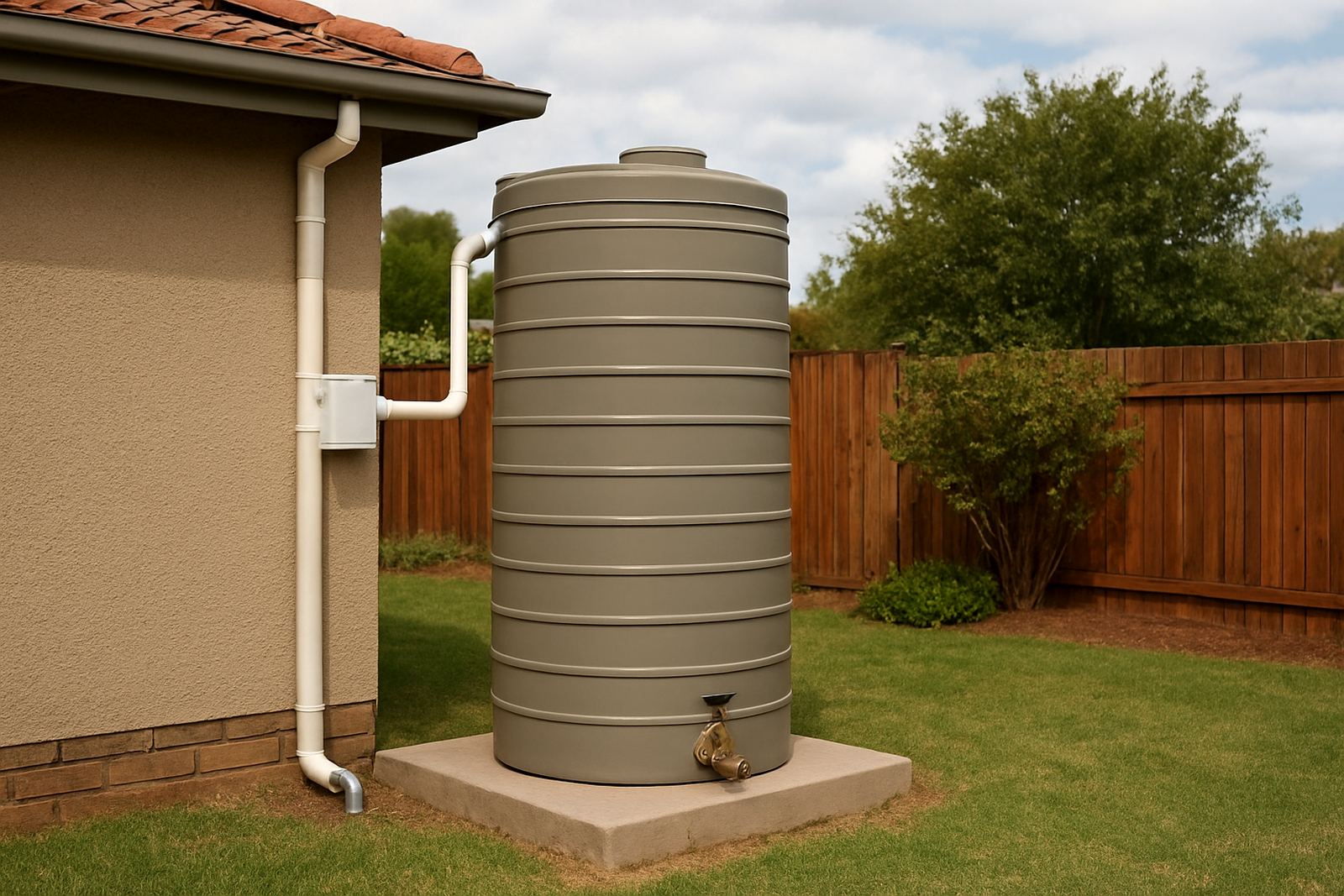
A Rain Tank Home kit is a household rainwater system set up to collect water from your roof, store it safely and feed selected points in the home where potable water is not required. It is suited to toilets, washing machines, outdoor taps and cleaning tasks, so you can reduce pressure on municipal supply and cut the amount of treated water used for everyday jobs.
In a typical setup, rainwater is directed from gutters into a tank through a leaf screen and first-flush diverter, then moved through a pump and filter set before use. The exact kit depends on roof size, rainfall pattern, storage space and whether you want gravity feed or pump-assisted supply. In areas like Brits and Hartbeespoort, where summer storms can fill a tank quickly, the right inlet control matters because it helps keep silt and roof debris out.
- Rainwater tank with fitted inlet and outlet connections
- Leaf screen and first-flush diverter
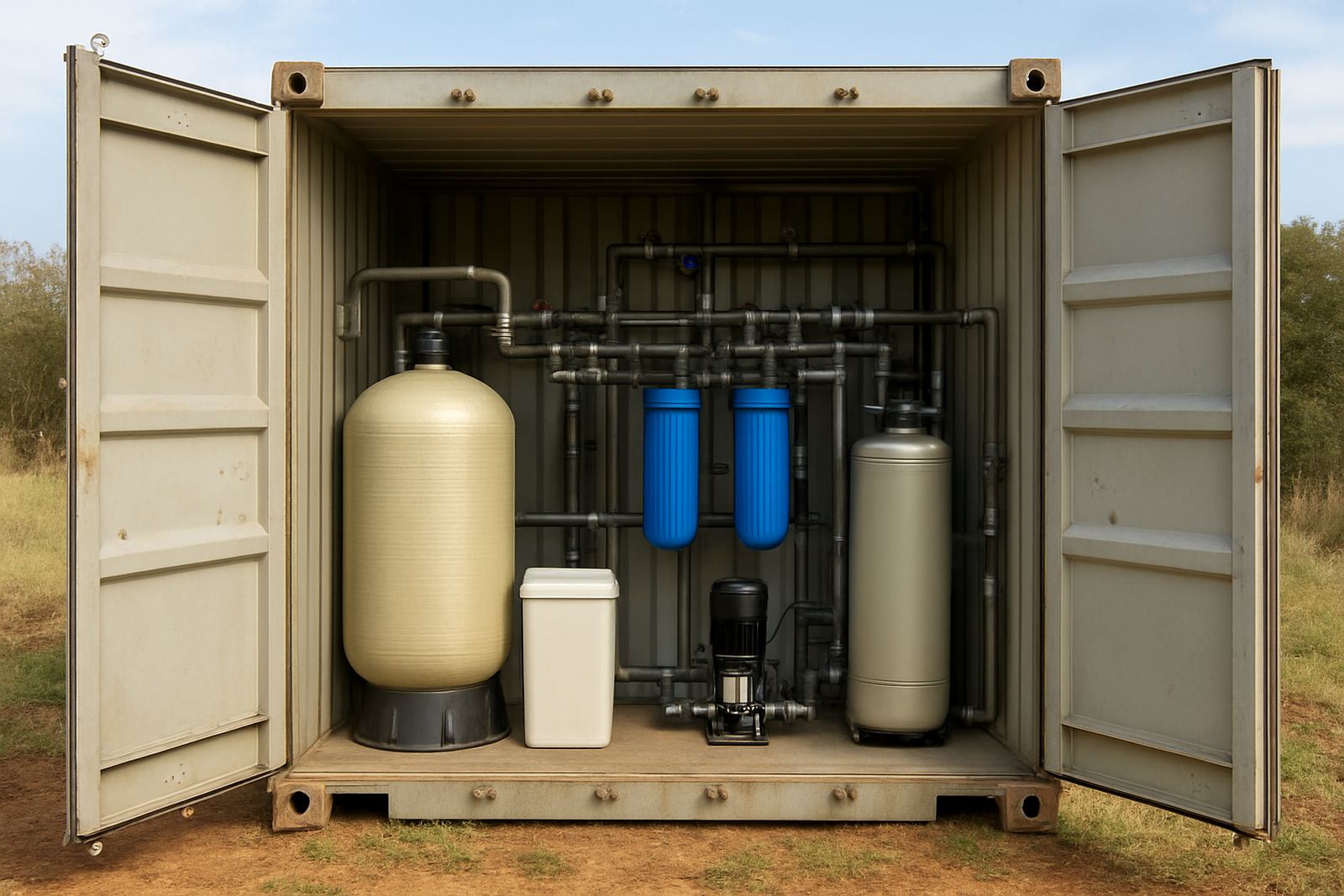
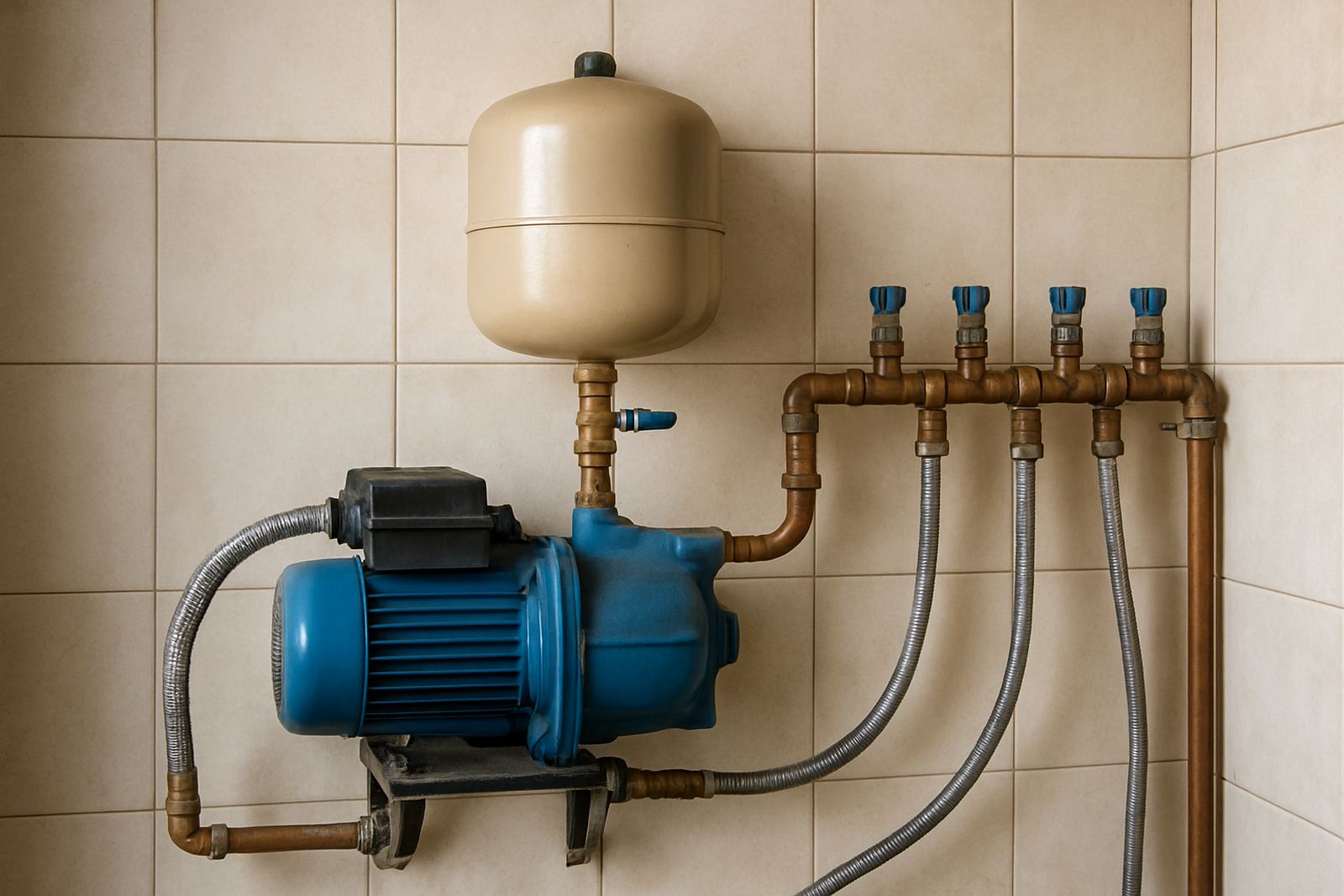
- Pump set for pressure to toilets and laundry lines
- Basic filtration for sediment and fine particles
- Pipework, valves and fittings for household connection
Sizes and options for different homes
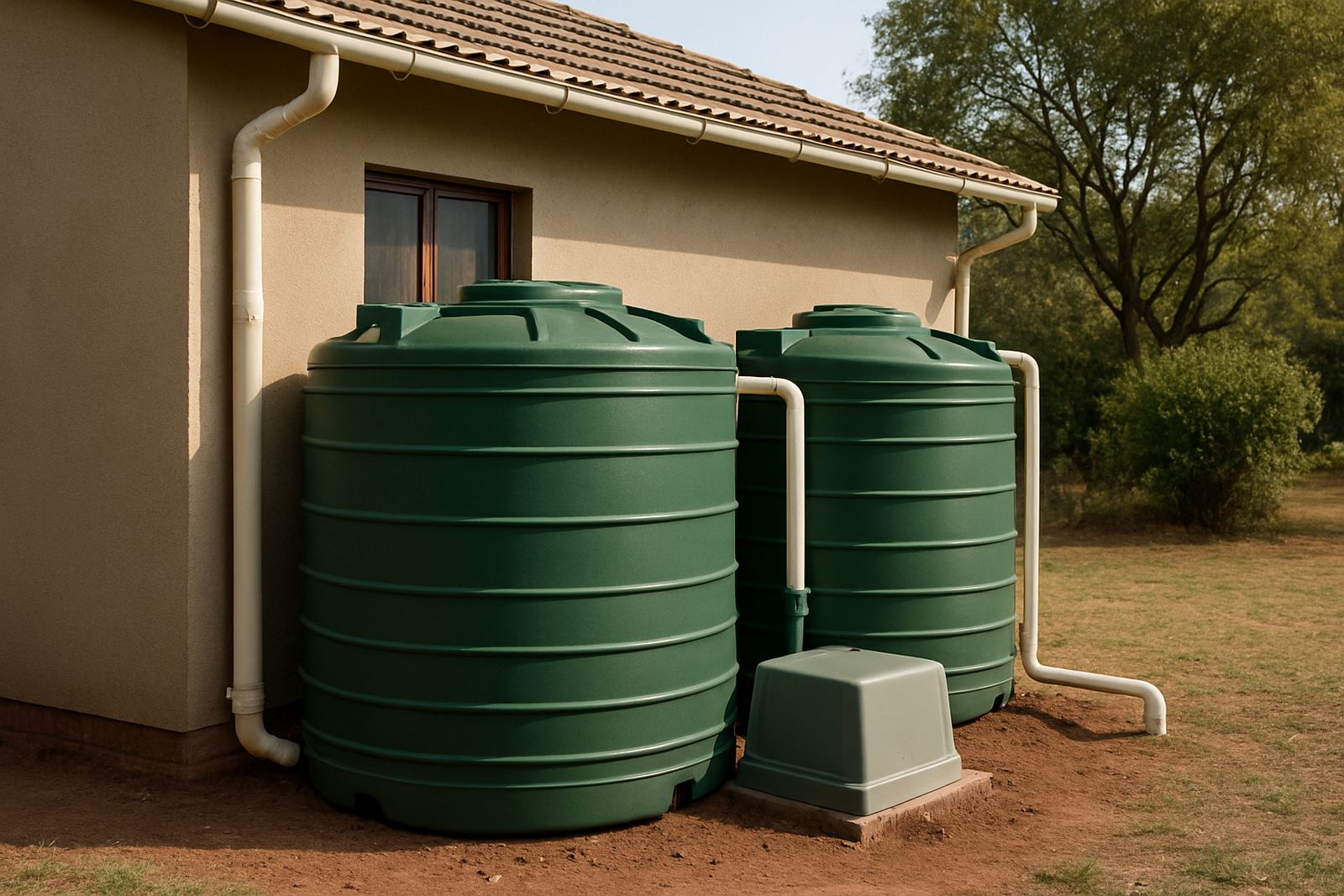
We supply household kits in sizes that suit both compact town properties and larger family homes. Common storage options start at 2 500 litres for light use, then move up to 5 000 litres, 7 500 litres and 10 000 litres for homes with higher demand or longer dry spells. If you have a bigger roof in places such as Paarl or Stellenbosch, where summer use can be high and water restrictions may apply, a larger tank often gives better value over time.
Tank choice depends on how much roof catchment you have and how often you want to rely on rainwater. A smaller system can still make a real difference for toilet flushing and laundry, while a larger system gives more storage for a family home, guest cottage or workshop. If space is tight, we can look at tank placement near a boundary wall, behind the house or alongside a garage, as long as access and municipal rules are respected.
- 2 500 litres for light household use and smaller roof areas
- 5 000 litres for average family homes
- 7 500 litres for higher daily use
- 10 000 litres for larger roofs or longer backup periods
- Single tank or linked tank configurations where space allows
Where the system suits best
This product suits homes that want a reliable non-potable water source without complicated plant room work. It is a good fit for freestanding homes, smallholdings, holiday homes, and farmhouses across South Africa, especially where load-shedding or intermittent supply makes storage useful. In Rustenburg and Bloemfontein, for example, households often want a setup that can keep toilets and washing going when supply is uncertain.
It also works well where borehole water is not the first choice for laundry due to staining, hardness, or the need for more treatment. Rainwater is softer than many groundwater sources, which can help reduce scale build-up in machines and taps. On coastal or humid inland sites, proper tank sealing and filter upkeep are important because standing water and warm conditions can affect water quality if the system is neglected.
- Homes wanting backup for toilet flushing and laundry
- Properties with roof catchment and space for a tank
- Sites affected by water restrictions or supply interruptions
- Small farms and outbuildings needing non-potable supply
- Households that want to reduce municipal water use
Installation, power needs and pressure considerations
Most household rain tank systems need a stable base, decent gutter fall and sensible pipe routing. A concrete slab or properly prepared level base is usually best, especially for larger tanks that can weigh several tonnes once full. The system should also be installed where maintenance access is possible, because filters, valves and pump components do need checking over time.
A pump is usually needed if you want pressure for toilets or laundry taps, while some gravity-fed arrangements can work for garden or low-level use. During load-shedding, the system can still store water, but the pump will need electricity to deliver pressure unless you add backup power. A small inverter or battery backup is often enough for short runs, and in some cases a solar-supported setup makes sense. In the North West and Western Cape, we often see homes choose a backup plan because water storage without pressure is only part of the job.
- Needs a level base or slab for safe installation
- Pump required for pressure to toilets and laundry points
- Works with inverter, battery or solar backup where needed
- Gutter condition and roof runoff must be checked before fitting
- Overflow and drainage must be routed away from foundations
Care, servicing and seasonal upkeep
Rainwater systems need regular attention if you want clean, reliable performance. Leaves, dust and roo f grit can build up after storms, so the first-flush diverter and inlet screens should be cleaned from time to time. Filters need changing based on use and water quality, and the tank should be inspected for algae growth, fittings leaks and any signs of sediment at the base.
Annual maintenance is usually enough for many homes, although properties under heavy tree cover or in high-dust areas may need more frequent attention. If the household uses the water for laundry, a filter change before summer is a smart move. If you notice reduced flow, odd odour or cloudy water, it is worth checking the filters and pump before the problem grows. A bit of planned upkeep saves money and keeps the system working when rain is scarce.
- Clean leaf screens and first-flush units after heavy rain
- Change filters as advised for your usage level
- Inspect pump pressure, valves and fittings regularly
- Wash tank interiors when sediment starts to build up
- Book annual maintenance for homes using the system daily
What to check before you order
Before ordering, it helps to measure your available space and think through how the system will be used. We need to know your roof size, the number of toilets, whether the washing machine will be connected, and if you want any future expansion. The more detail you provide, the easier it is to size the tank and pump correctly, and avoid paying for capacity you will never use.
You should also consider your water source habits. If the house already has borehole water for some tasks, the rain tank may only need to cover toilets and laundry. If municipal pressure is weak, you may want a system with a stronger pump and backup power. When ordering, check the access route for delivery, whether any lifting equipment is needed, and if the base is ready for installation. In many cases, a little preparation on site saves time and cost later on.
- Roof catchment size and gutter condition
- Intended use: toilets, laundry, outdoor taps or all three
- Space available for tank, pump and fittings
- Power backup needs during load-shedding
- Delivery access, base preparation and installation timing
Key facts
| Use | Toilets, laundry and general non-potable household use |
|---|---|
| Tank sizes | 2 500 L, 5 000 L, 7 500 L, 10 000 L |
| Typical components | Tank, pump, filters, first-flush diverter, valves and fittings |
| Power requirement | Pump runs on mains power, with inverter or battery backup optional |
| Installation base | Level slab or prepared base required |
| Maintenance | Filter changes, tank checks and annual servicing recommended |