What a High Pressure Booster Kit Does
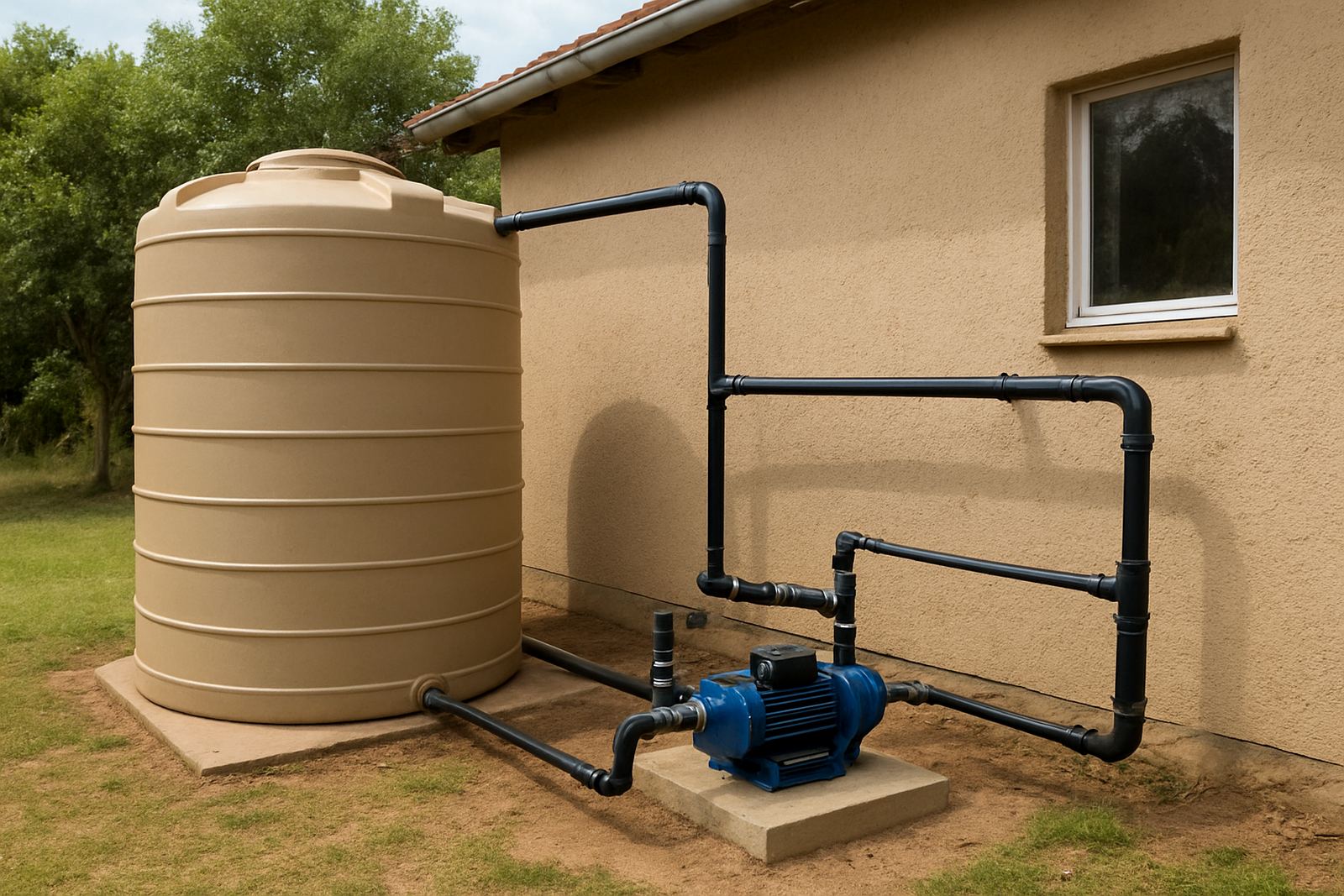
A booster kit lifts water pressure so it can move through long internal pipe runs, multi-storey buildings and several outlets at once. It is commonly used where gravity feed is not enough, or where a storage tank sits some distance from the house, pump room or irrigation point. On a plot in Brits or a farmhouse outside Hartbeespoort, that can mean the difference between a weak trickle and proper pressure at the tap.
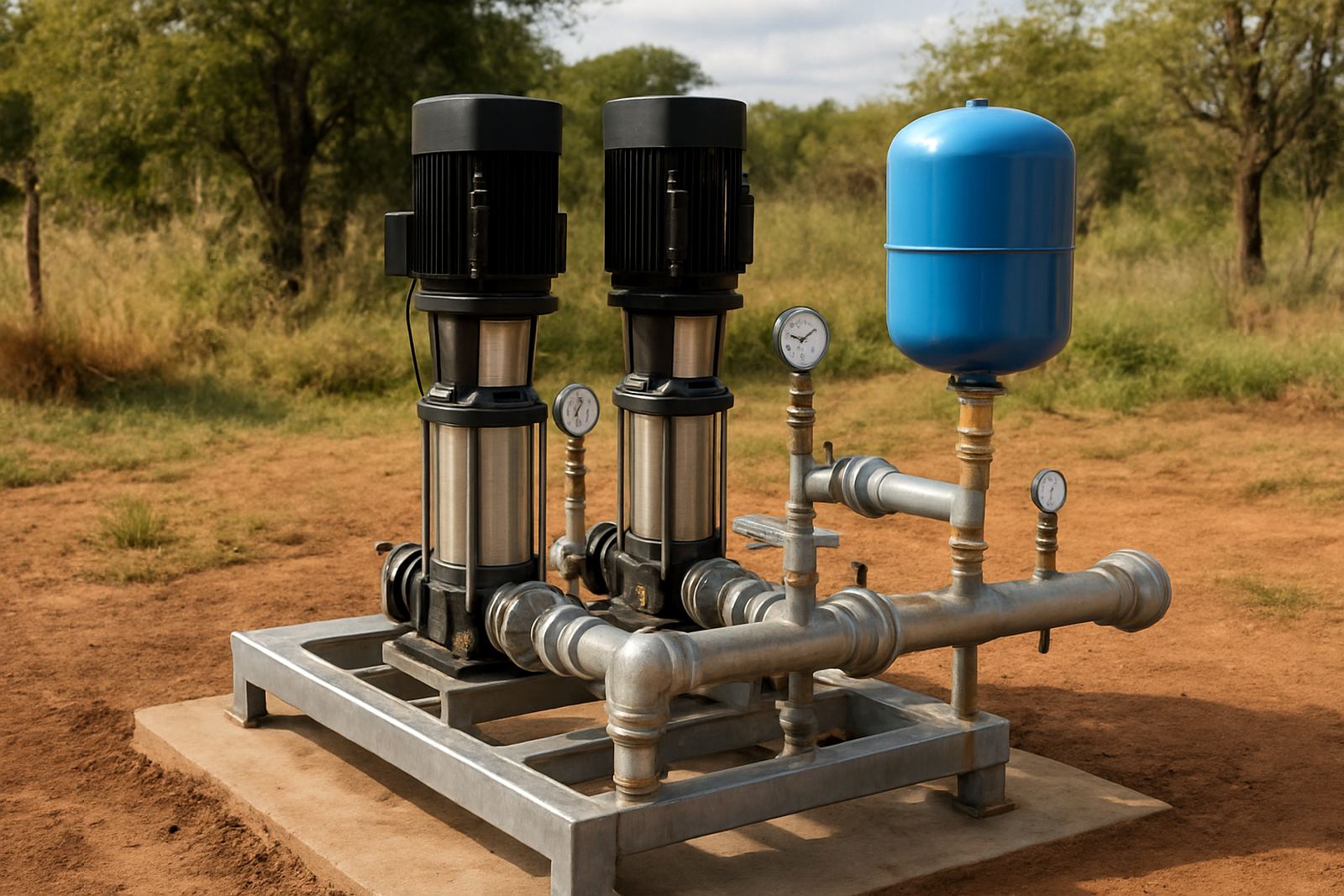
The package is built around a pressure pump, controller or pressure vessel, valves, fittings and the right protection devices. In practical terms, it helps showers stay consistent, improves garden and yard supply, and supports cleaning points, livestock areas and utility rooms. If the system is connected to a borehole or rain tank, the booster is usually fitted after storage so the pump is not running dry.
We also look at duty cycle and pipe size before recommending a unit. A pump that is too small will cycle constantly and wear out early, while one that is too strong can cause noisy pipes, water hammer and unnecessary power use.
Size Options and Typical Flow Rates
Booster kits are supplied in different sizes depending on the number of bathrooms, taps and machines in use. For a compact home, a smaller single-pump set may be enough. Larger homes, guest units, schools, farm offices and workshop areas may need a higher flow unit with a pressure vessel or variable control to keep pressure stable when several points are open at once.
As a guide, common options include 0.75 kW to 1.1 kW for lighter domestic use, 1.5 kW to 2.2 kW for larger properties, and heavier-duty sets for more demanding applications. Flow is usually selected in the range of 40 to 120 litres per minute, depending on lift, pipe length and expected draw-off. Pressure settings are often configured between 2.0 bar and 4.5 bar, but the right setting depends on pipework, fittings and the equipment connected downstream.
- Small home use: 2 to 3 outlets, shorter pipe runs, lower start-up demand
- Medium property: 3 to 6 outlets, two bathrooms, laundry and kitchen supply
- Large home or smallholding: multiple bathrooms, tank feed, outbuildings, long runs
- Farm use: workshop, staff housing, cleaning points and utility buildings
If you are not sure which size to choose, system sizing is worth doing properly. A pump that seems strong on paper may still underperform if the delivery line is too small or the tank sits far from the building.
Where the Booster Suits Best
This type of kit suits properties where pressure loss is caused by distance, elevation or multiple bends in the pipework. That includes larger erven in Pretoria, homes in Rustenburg with extended plumbing routes, and farmsteads around Bloemfontein where the tank is not close to the point of use. It is also useful in coastal areas such as Paarl, Stellenbosch and Somerset West where humid conditions can affect fittings and metal parts over time.
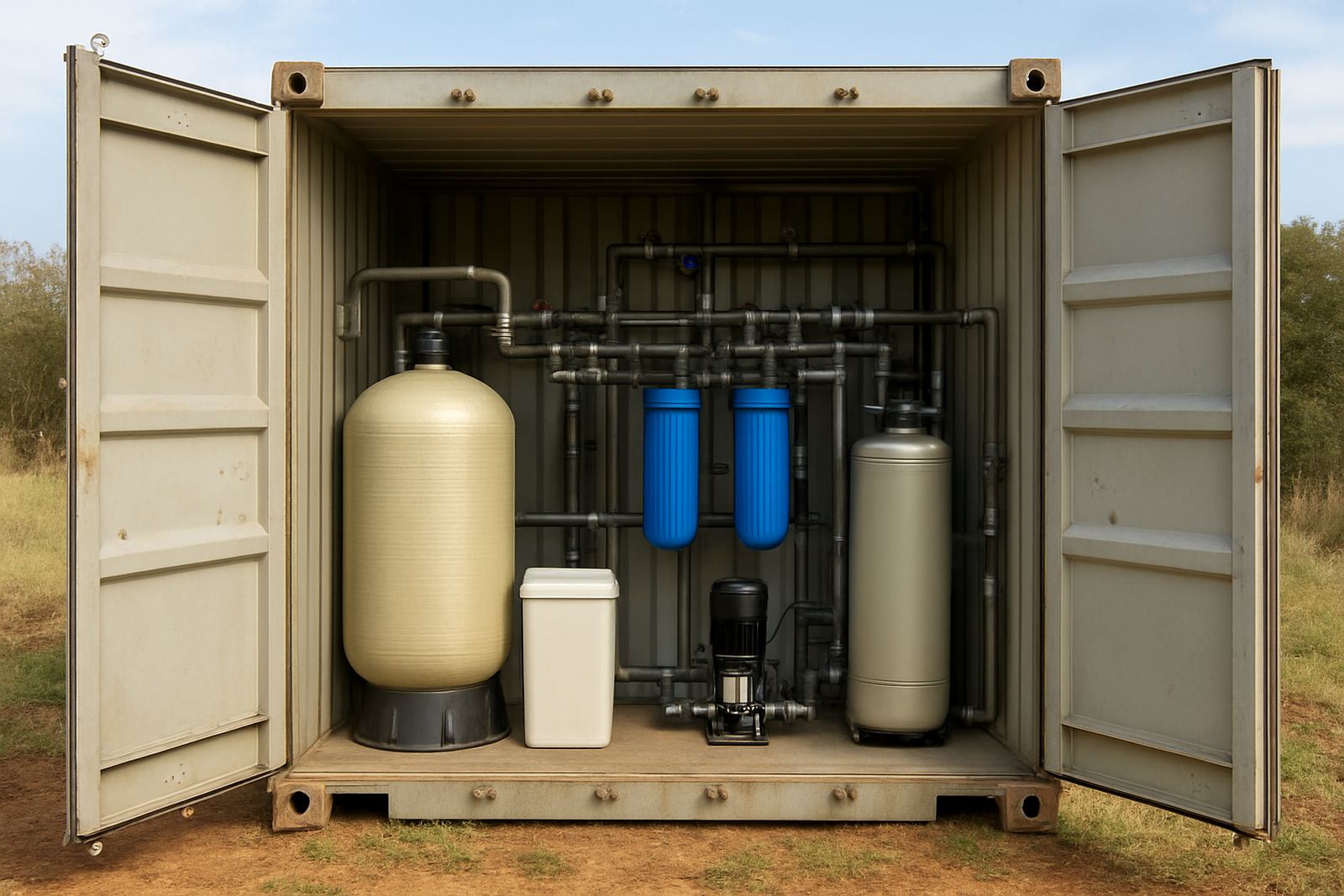
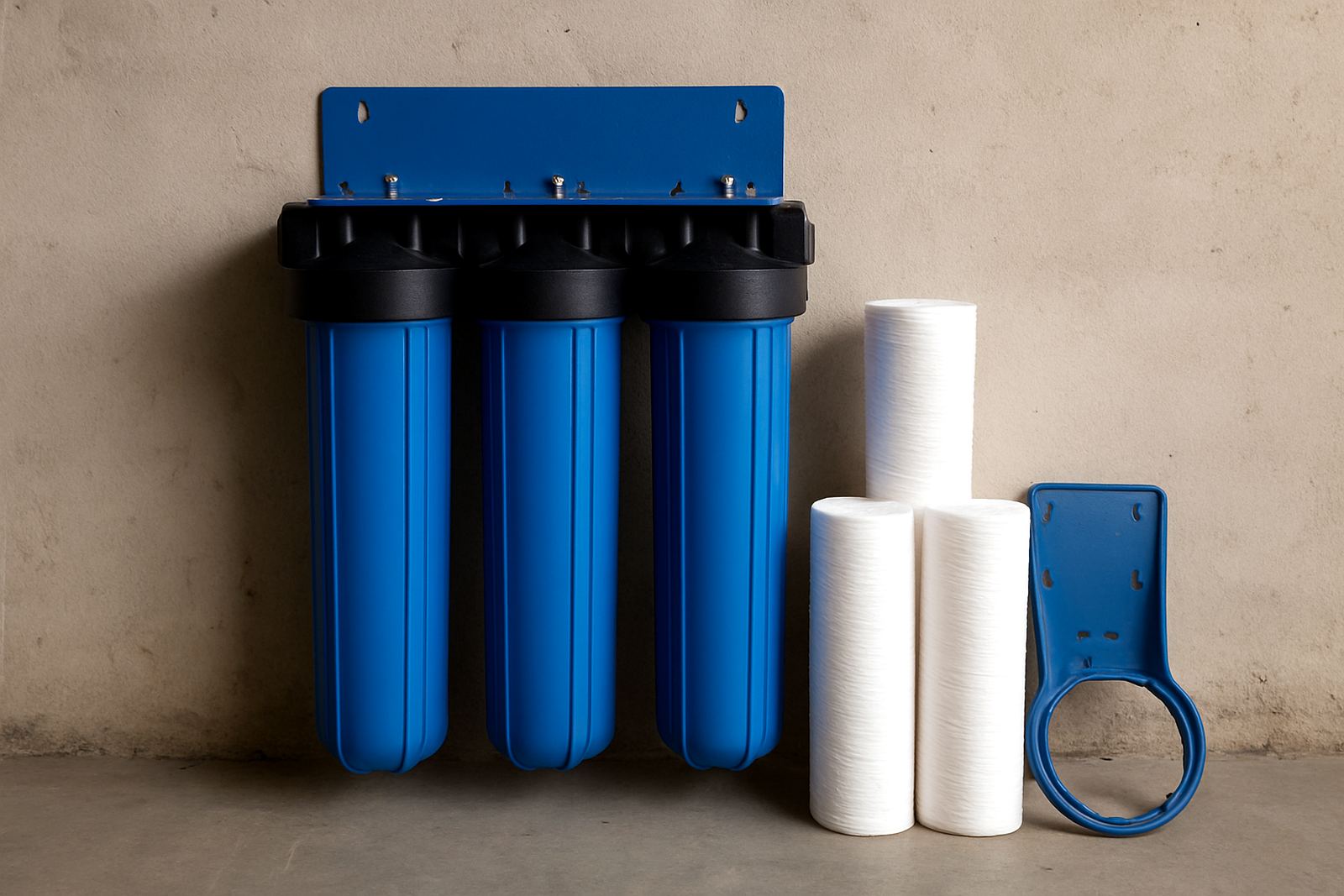
The booster can be used with municipal backup storage, borehole water or rain-water systems. It is especially helpful where water is stored in a tank and then needs to be pushed into the house under pressure. In some cases it also supports filtration systems, provided the filter train is sized correctly and not placed in a way that causes an excessive pressure drop.
- Long pipe runs between tank and house
- Multi bathroom homes with poor pressure at peak use
- Smallholdings and farms with separate buildings
- Water supply points that need steady pressure for washing or cleaning
For municipal water with weak pressure, a booster can assist, but the setup must still comply with local rules and backflow requirements. Where there is a storage tank, a proper non-return arrangement and isolation valves should be included.
Installation Needs, Power and Backup Planning
Installation should allow for easy access, solid mounting and straightforward maintenance. The pump is normally placed on a level base, close to the tank outlet or after the filter stage, and away from fine dust where possible. On farms, a small pump room or shaded utility area is often better than leaving the set exposed to weather and vermin. Coastal humidity can shorten the life of exposed fasteners, so corrosion resistant fittings are worth the extra spend.
Power requirements depend on the motor size and starting load. Most domestic booster sets run on standard single-phase supply, while larger systems may need a three-phase feed. During load-shedding, it helps to plan for inverter backup, generator support or a battery system sized to the pump's start-up demand. If backup is not planned correctly, the pump may trip or start badly, which can be harder on the motor and controller.
We check the following before a kit is ordered or installed:
- Available power supply and whether backup power is already in place
- Pipe diameter and distance from storage to use point
- Number of taps, bathrooms, sprinklers or appliances that may run together
- Tank height, suction layout and whether dry-run protection is needed
- Space for valves, pressure vessel and future servicing
Where the pump is installed in a noisy area or near living space, a vibration pad and proper pipe support can make a clear difference.
Care, Servicing and Fault Prevention
A booster set needs regular checks if you want steady service over time. Pressure switches, controller settings and vessel air charge should be inspected periodically, especially where the system starts and stops often. If a tank runs low or a filter blocks up, the pump can cycle more than it should and wear faster.
Routine care usually includes filter changes, pump servicing, valve checks, leak detection and cleaning around the unit. In areas with hard water or borehole sediment, strainers and filters may need attention sooner. A tank with silt build-up can also cause debris to reach the pump, so tank cleaning is worth scheduling when water quality starts to shift.
Watch for these signs:
- Pressure dropping at taps when more than one outlet is open
- Pump starting too often or running on short cycles
- Air in the line after power cuts or tank refills
- Unusual noise, vibration or overheating
- Visible leaks around unions, valves or fittings
Small issues are easier to sort early. A loose fitting or blocked strainer can become a bigger problem if left through a hot season or a run of power interruptions.
What to Check Before You Order
To match the right booster kit to your property, check the water source, expected demand and available space first. If the system is going onto a borehole or rain-tank setup, know the tank size, outlet height and whether water must feed through filters first. For homes with several bathrooms, it also helps to list how many points may run at the same time, not just the total number of taps.
We recommend confirming the pipe material and size, the distance from tank to pump, and whether the installation is indoors, outdoors or in a pump room. If you are in a windy or dusty area, or near the coast, that should be noted too because it affects the hardware choice and the servicing interval. On farms, tell us if the booster will feed staff housing, a wash bay or a utility line as the duty pattern changes quite a bit.
When you send an enquiry, include the basics below so the kit can be sized properly first time:
- Property type and location
- Water source and storage tank size
- Number of bathrooms, outlets or connected buildings
- Power supply available and any backup system
- Known pressure issues, leaks or past pump failures
Hydrated works with homes and farms across Brits, Pretoria, Hartbeespoort, Rustenburg, Bloemfontein and the Western Cape, with delivery support arranged to suit the site. If you need a practical booster package that can handle real daily use, start with a proper sizing check and order the parts that fit the job, not just the label.
Key facts
| Pump power | 0.75 kW to 2.2 kW, with larger duty options available |
|---|---|
| Typical flow range | 40 to 120 litres per minute depending on system demand |
| Typical pressure setting | 2.0 bar to 4.5 bar |
| Supply options | Single-phase or three-phase depending on size |
| Main components | Pump, controller or pressure vessel, valves, fittings and protection devices |
| Best suited to | Long pipe runs, multi bathroom homes, smallholdings and farm buildings |