
What a Containerised Water Kit includes
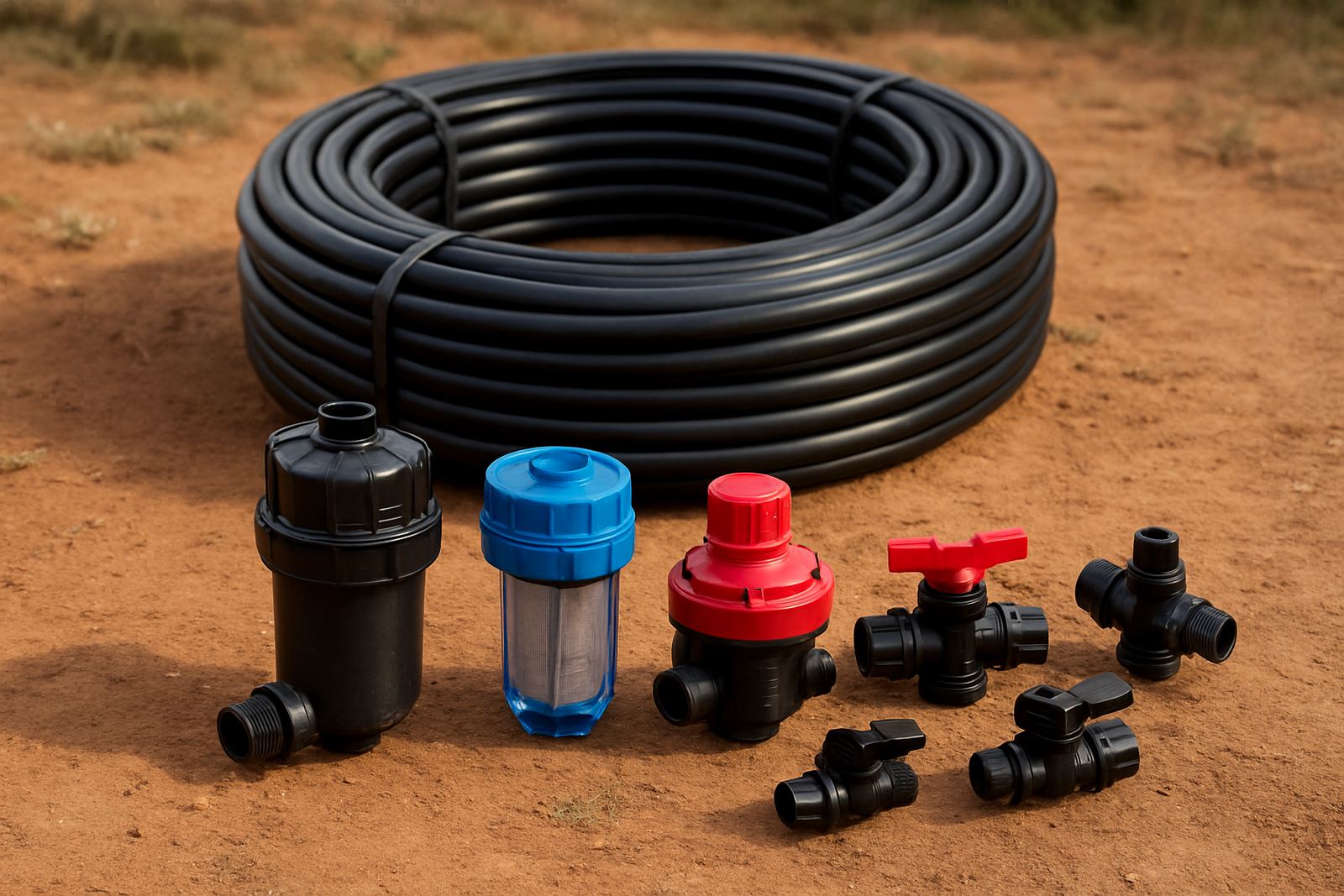
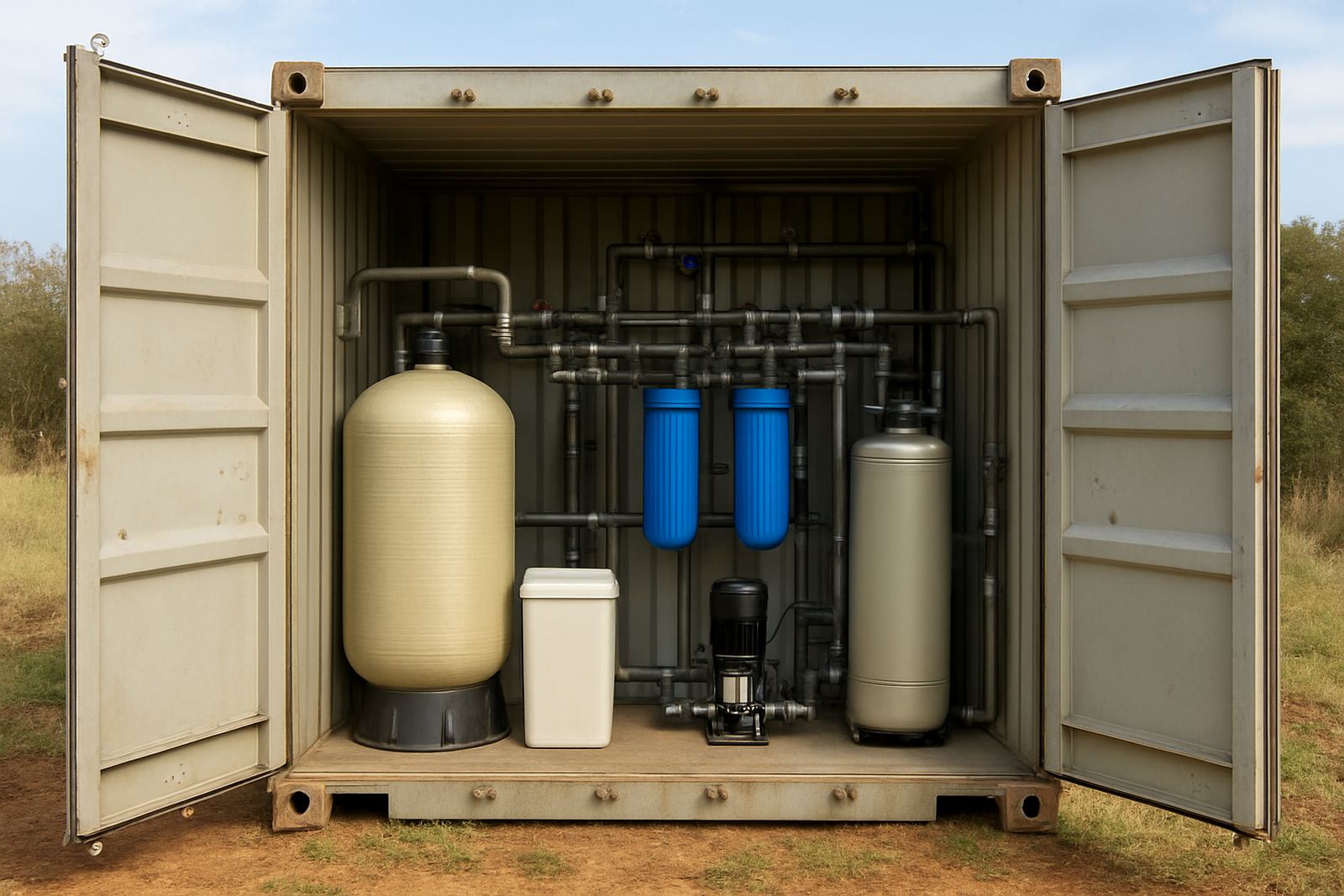
Hydrated's containerised water kit brings the main water components together in one neat, transportable setup. Depending on the application, the kit can include a pump set, filtration stages, pipework, valves, pressure control, storage interfaces and the control gear needed to keep the system working properly. The aim is to reduce loose parts on site and make installation more manageable, especially where access is limited or work must be done quickly.
For a farm in the North West, a guest property near Hartbeespoort, or a rural holding outside Bloemfontein, this format is useful when the water source, treatment and distribution points need to be kept organised. It also helps with dust, theft risk and general wear because the equipment is enclosed and easier to secure.
- Pre-assembled for easier transport and faster setup
- Suitable for borehole, rain-tank or filtration-based use
- Can be arranged for domestic, agricultural or light commercial demand
- Useful where site space is tight or the installation must be moved later
Sizes, layouts and output choices
The right size depends on daily water demand, source quality and how much pressure the property needs. A small domestic kit may be sized for a household with a few taps, while a larger farm system may need higher flow rates, stronger filtration and space for future expansion. Our team in Brits sizes each kit around the actual site conditions, not just the estimate on paper.
Typical options include compact single-line layouts for basic supply, dual-stage layouts for clearer water, and larger multi-point systems for several buildings or irrigation points. Where power supply is unstable, the layout can be set up to work with a backup power source or timed pumping cycles to help during load-shedding. On coastal sites in the Western Cape, we also keep corrosion and humidity in mind when choosing fittings and mounting methods.
- Domestic kits for homes, cottages and staff housing
- Farm kits for kraals, stores, irrigation points and outbuildings
- Filtration-focused kits for municipal top-up water or borehole treatment
- Custom layouts for modular sites, lodges and temporary accommodation
Where it works best on site
This product suits places where water needs to be dependable and practical rather than decorative. It is a strong option for rural homes, farms, building sites, game lodges, small industrial yards and remote properties that need water moved, filtered or boosted in a controlled way. It also helps when the water source is some distance from the main point of use.
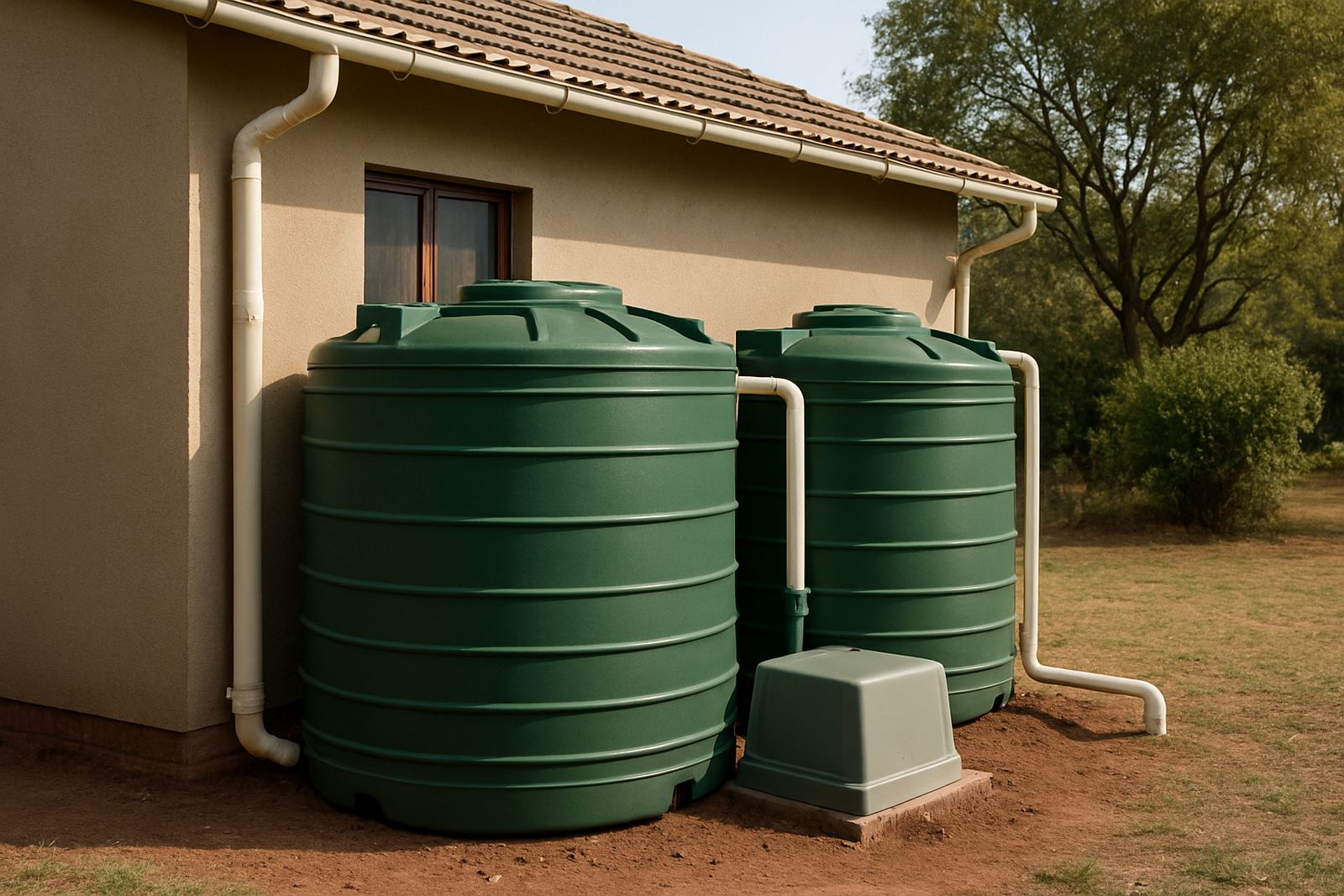
In Pretoria or Rustenburg, a containerised kit can support a borehole feeding storage tanks and pressure lines. In Paarl, Stellenbosch or Somerset West, it can be used for rain-tank collection, pre-filtration and clean water distribution to a home or outbuilding. In more exposed areas, the enclosed format helps keep dust, sun and casual handling to a minimum, which matters over time.
- Homes with low municipal pressure
- Farms with scattered water points
- Properties using borehole or rainwater as a main supply
- Sites needing a movable or modular setup
Installation, power and water source needs
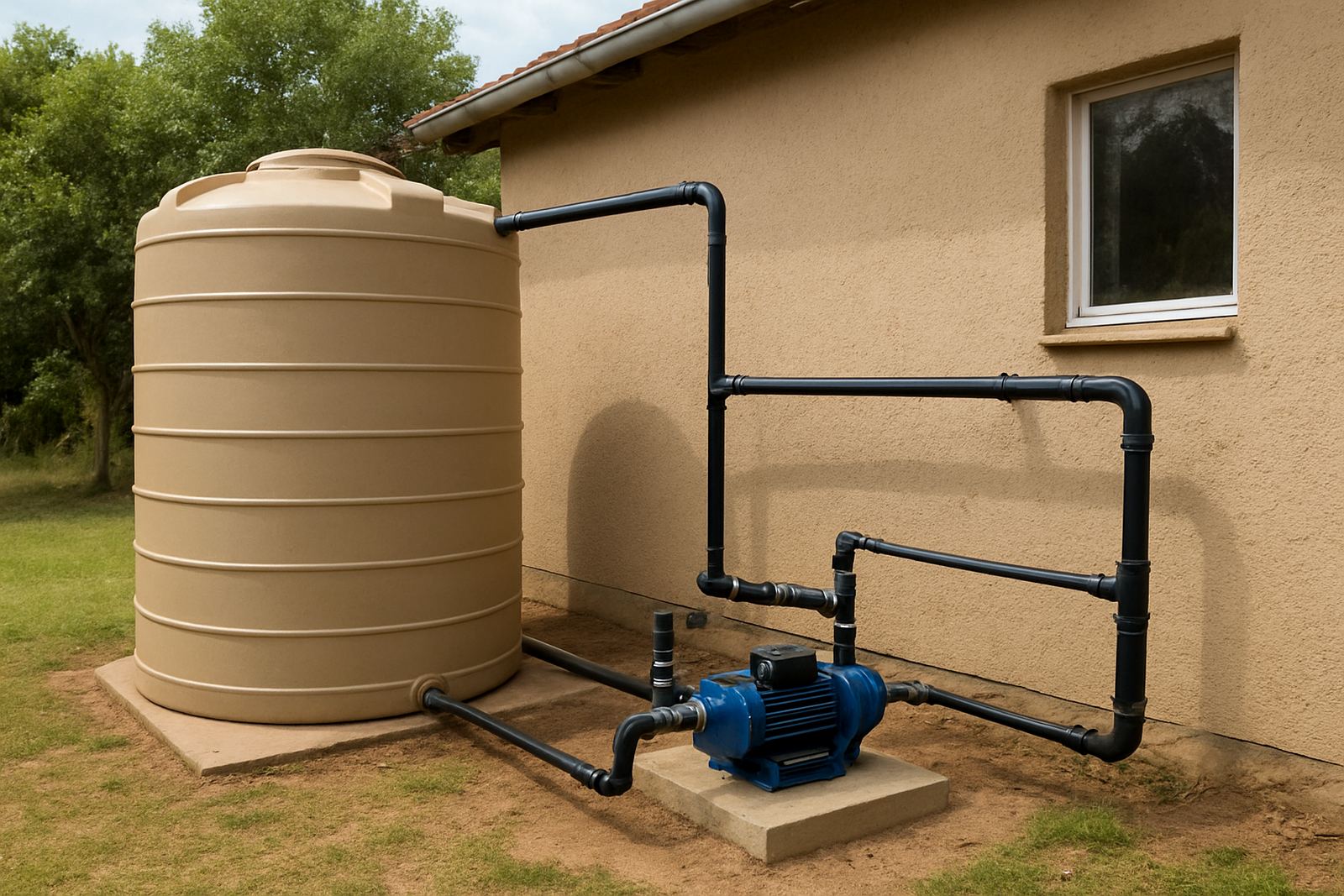
Installation starts with the site assessment. We look at water source, flow rate, pump position, tank location, power availability and where the treated water must go. That tells us whether the kit should be fed from a borehole, a rain-tank bank or an existing supply line. It also tells us how much lifting pressure is required and whether the setup needs a float switch, pressure vessel or control panel with protection for dry running.
Most kits need a solid base, level placement and safe access for servicing. If the site runs on Eskom supply, backup power should be considered for pumping and filtration cycles. If the area is off-grid, the system can be matched to solar or generator support where practical. In coastal humidity or windy inland dust, a sealed enclosure and correct cable management make a big difference. Municipal rules may also apply where filtered water is being connected to a house line, so backflow prevention and proper isolation are important.
- Needs a stable base and enough space for opening panels
- Requires suitable electrical supply or backup power planning
- Can be matched to borehole, rain-tank or hybrid water sources
- Should include backflow protection where required by local rules
Care, servicing and long-term use
A containerised system still needs regular attention. Filters must be changed on schedule, pumps checked for wear, and tanks cleaned when sediment or algae starts to build up. If the water is hard, sandy or high in iron, the servicing interval may be shorter. It is better to catch a small problem early than wait for a pump to lose prime or a filter to choke flow.
Hydrated can help with filter changes, pump servicing, fault finding, water testing and annual maintenance. We also advise owners to check for leaks after transport or heavy vibration, especially where a kit is moved between sites. On farms, dust and debris can collect faster than people expect, so routine inspection is worth the effort. A little maintenance keeps the flow steady and helps the system last longer, which saves money over time.
- Check filters, seals and pressure settings regularly
- Clean tanks and strainers before sediment builds up
- Inspect wiring and fittings after transport or rough handling
- Book annual maintenance for ongoing reliability
What to check before you order
Before ordering, it helps to know the water source, expected daily use, and the distance between the source and the final outlet points. We also need to know if the water will be used for washing, drinking, livestock, irrigation or a mix of uses. That changes the filtration and pump choice. If the site has unstable power, we need to factor that in from the start rather than trying to adjust later.
It is also useful to measure access points, available ground space and any transport limits. A kit that can be delivered to Brits may still need planning for a narrow gate, soft ground or a steep driveway at the final property. If you are ordering for a farm near Rustenburg or a coastal site in the Western Cape, tell us about dust, salinity or humidity so the component choice suits the conditions. The more accurate the site details, the better the system will perform once it is in place.
- Source type and water quality
- Daily usage and number of outlets
- Power availability and backup options
- Access, transport and space on site
Key facts
| Product type | Pre-arranged water system for modular or transportable site use |
|---|---|
| Typical use | Borehole, rain-tank or filtration-based water supply |
| Size range | Compact domestic to larger farm and multi-point layouts |
| Mounting | Enclosed, base-mounted arrangement for stable placement |
| Power needs | Electric pump and control supply, with backup options where required |
| Servicing | Filter changes, pump servicing, tank cleaning and annual maintenance |