What The Deep Borehole Kit Is For
This kit is put together for boreholes that sit deeper than a standard domestic setup, or where water has to travel further to reach a tank, filtration point or household line. It is common on farms outside Brits, Hartbeespoort and Rustenburg, and also on larger stands where the borehole is not close to the tank or plant room.
The main aim is simple: move water reliably from depth to the point of use without overworking the pump. That means the pump, pipework, cable and controls need to be matched properly, otherwise the system can lose pressure, trip under load, or wear out early.
Sizes, Head Ratings And Typical Builds
Deep borehole systems are usually specified by depth, flow and pressure requirement rather than by one fixed size. The right set-up depends on the static water level, pumping depth, pipe run length and whether water is going to a storage tank, irrigation line or direct household supply.
- Submersible pump sizes commonly range from 0.75 kW to 2.2 kW for smaller homes and light farm use.
- Higher demand installs may need 3 kW or more, depending on lift and flow.
- Pipe sizes are usually 32 mm, 40 mm or 50 mm, based on flow and friction loss.
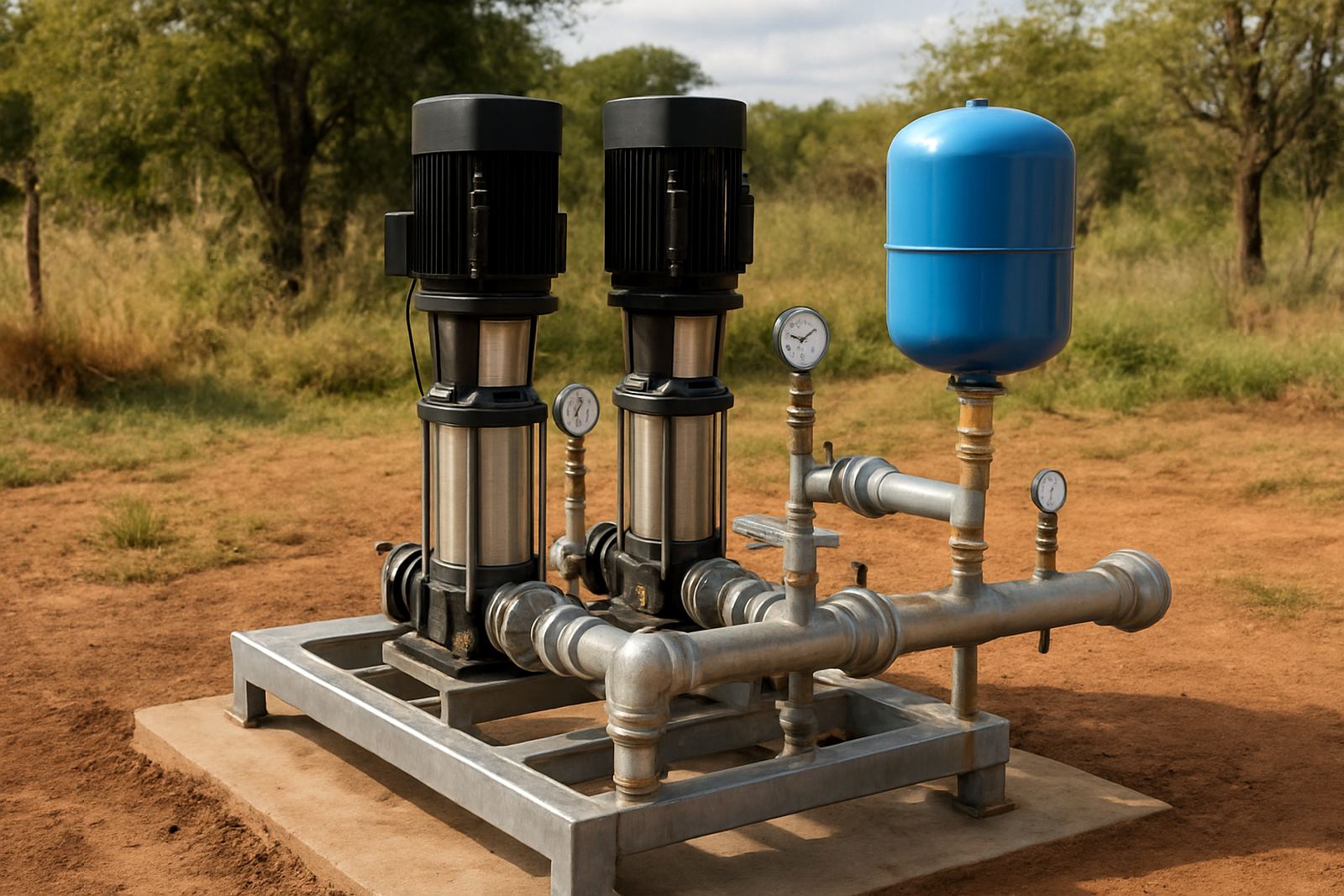
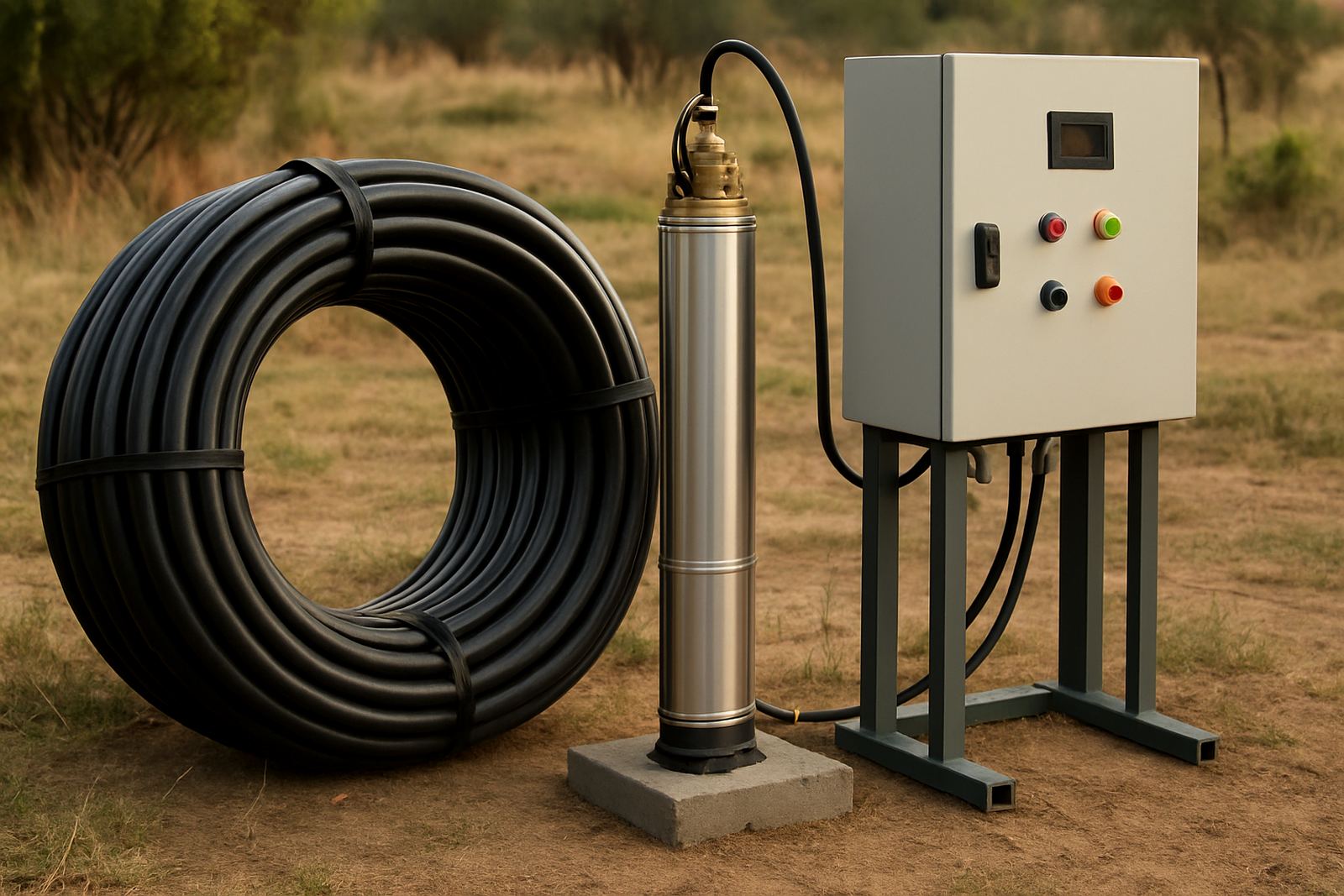
- Control boxes, float switches, dry-run protection and pressure controls can be added to suit the system.
- Typical delivery runs can be planned for short domestic lines or longer farm runs with extra head allowance.
For deeper water levels the pump must be selected with enough head for the full lift, not just the borehole depth on paper. That is where proper sizing matters, because a pump that is too small will struggle and one that is too large can waste power and cause handling issues.
Where This Kit Works Best
This product suits properties that need dependable supply in areas where pressure is weak, electricity is not always stable or rainwater alone is not enough. It is often used where a tank has to be filled before water is distributed to the home, pack shed, livestock point or irrigation manifold.
It is also a practical option for coastal and inland areas where mineral content, sand, or seasonal drawdown can affect performance. In places such as Pretoria, Bloemfontein and the Western Cape, borehole conditions can change from one site to the next, so a site assessment is worth doing before any purchase.
- Homes with deeper boreholes and roof tanks.
- Smallholdings needing storage for garden or stock water.
- Farms with longer pipe runs to tanks or filter rooms.
- Properties where municipal pressure is unreliable.
- Installations that need backup planning during load-shedding.
Installation And Power Requirements
Installation starts with checking borehole depth, pipe drop, cable length, tank position and the intended duty cycle. A correct install should include safe cable jointing, proper suspension of the drop pipe, and a control setup that protects the pump when the borehole runs low. If the water table drops during dry months, the system must be able to shut down before damage starts.
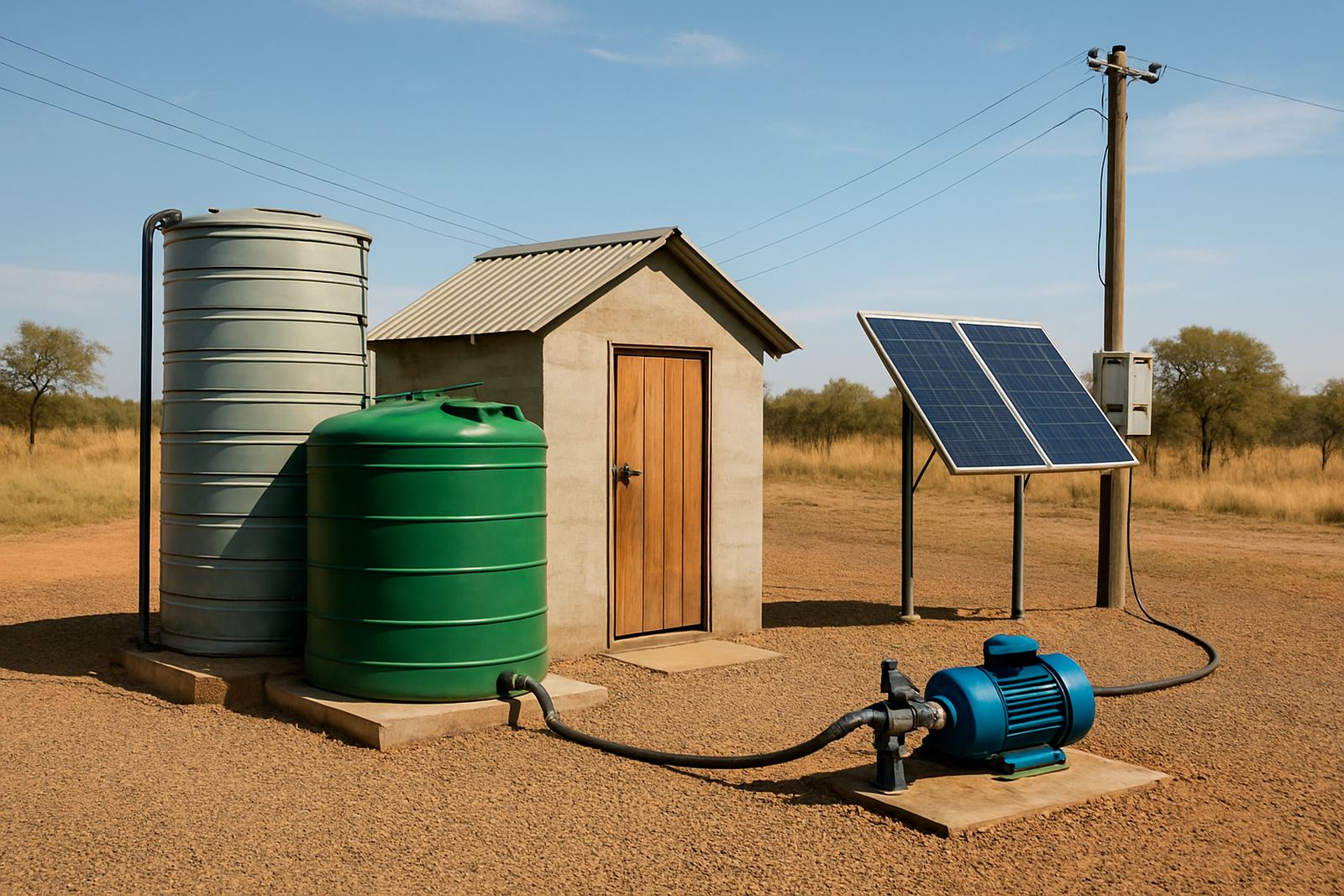
Power can be from grid electricity, a generator, or a hybrid supply where the borehole is used at set times. In farm settings a generator is often kept for backup, but it must be sized to start the motor without strain. Solar-compatible options may also be used, though the array, controller and storage must be matched to the daily water need. A poorly sized supply will cost more in the long run and can cause nuisance tripping.
Care, Servicing And Water Protection
Deeper systems need regular checks because wear is harder to spot once the pump is down the hole. Good care includes checking flow rate, listening for air in the line, testing pressure, and watching for signs of sand or silt in the water. If the borehole produces gritty water, the pump and filters need closer monitoring.
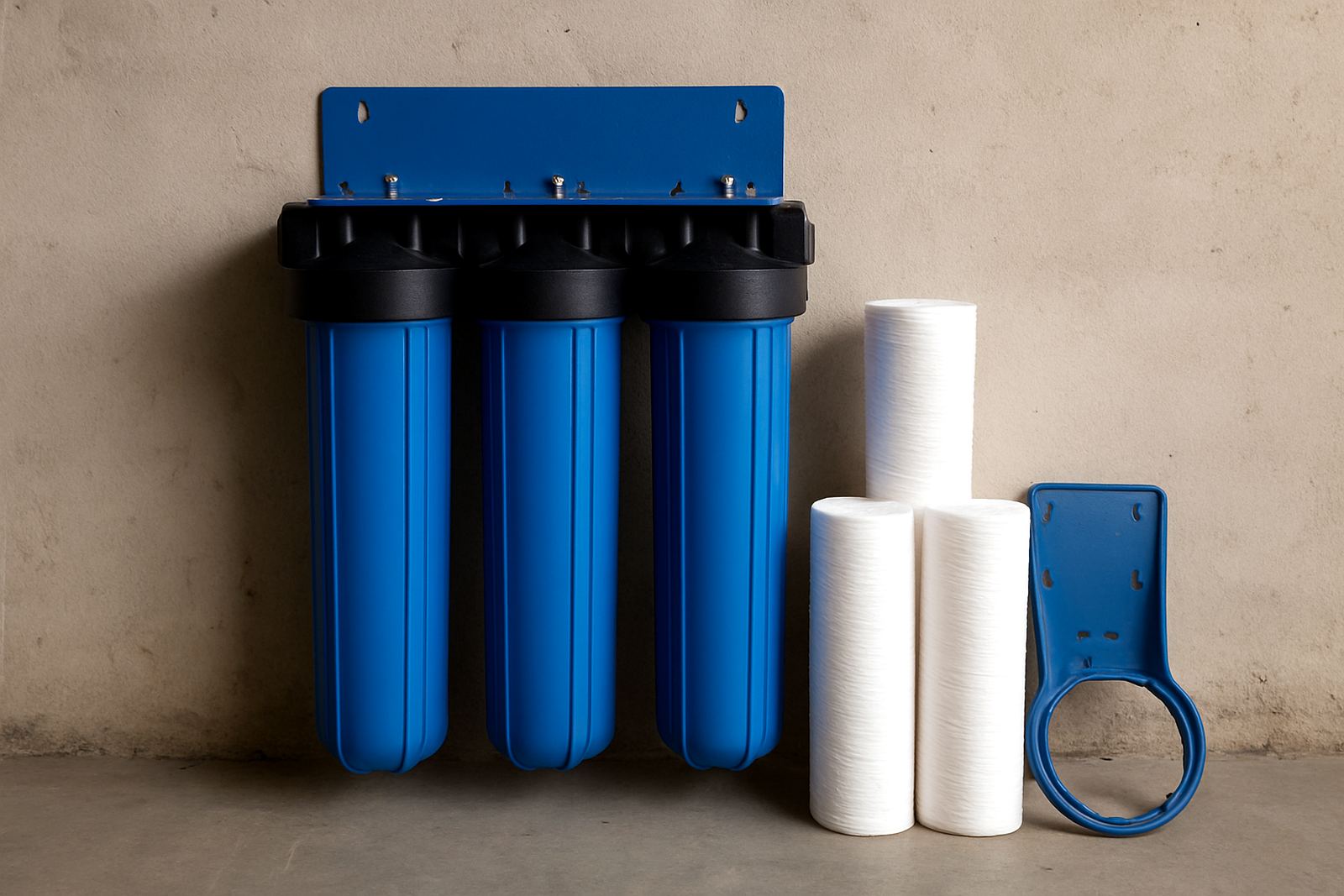
- Inspect filters and clean or replace them on schedule.
- Check pump amperage and pressure during maintenance visits.
- Test water quality after heavy rain, repairs or long standby periods.
- Look for signs of scaling, rust or sediment in storage tanks.
- Book annual maintenance to catch issues before failure.
On coastal properties the extra humidity can affect fittings, glands and terminals, so corrosion protection matters. In some inland areas mineral build-up is the bigger issue, and that can block lines or reduce output if left too long. A bit of planned care saves money and down time.
What To Check Before Ordering
Before placing an order, have the borehole report, pump history and water-use need ready. If you do not have those details yet, a site assessment and system sizing visit is the best place to start. The more accurate the information, the better the kit match and the fewer surprises during install.
- Static water level and estimated pumping depth.
- Distance from borehole to tank or point of use.
- Required flow rate in litres per hour or litres per minute.
- Power source available on site, including backup supply.
- Water quality concerns such as sand, iron, or scale.
- Whether the system feeds a home, farm line, or filtration plant.
Hydrated supplies and delivers deep borehole kits from Brits across South Africa, including Pretoria, Hartbeespoort, Rustenburg, Bloemfontein and the Western Cape. Our team can help with kit assembly, delivery coordination, commissioning checks and after-sales support so the setup is right from the start.
Key facts
| Pump type | Submersible borehole pump |
|---|---|
| Common power range | 0.75 kW to 3 kW+ |
| Pipe sizes | 32 mm, 40 mm or 50 mm |
| Best for | Deeper water levels and longer delivery runs |
| Typical use | Homes, smallholdings and farms |
| Support options | Sizing, installation support, servicing and maintenance |