What a smallholding usually needs from day one
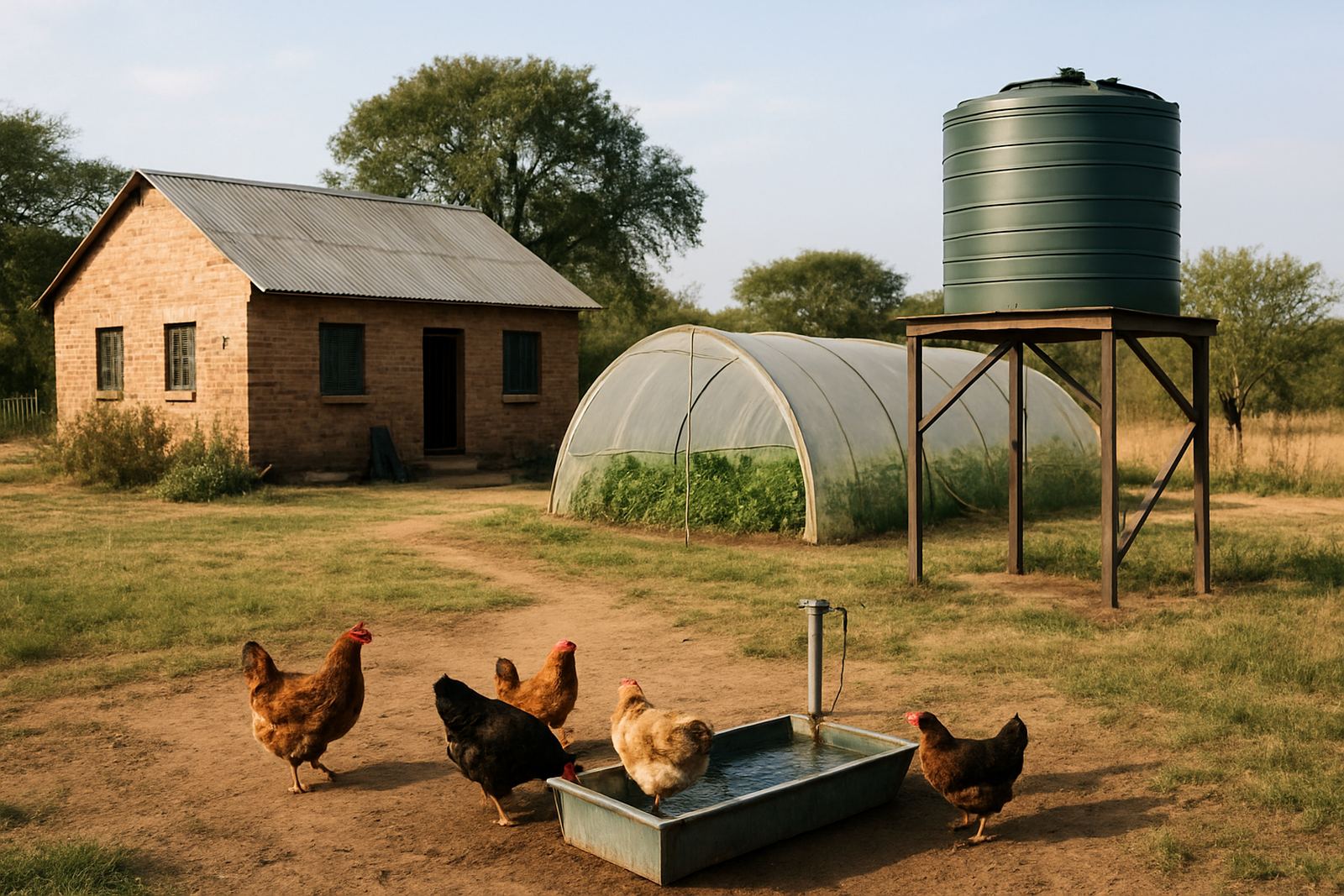
A smallholding is not a city house with a bigger yard. Water demand shifts through the week, and often through the season too. One day it is showers and washing machines, the next it is irrigation, poultry drinkers, a pressure pump running hard, and a tank that must last through load-shedding or a municipal interruption. The right setup needs to cover family use first, then the extras without starving the taps.
Most clients in places like Brits, Hartbeespoort, Pretoria outskirts, Rustenburg and the Western Cape ask for one system that can do a bit of everything. That normally means a storage plan, a pump matched to the draw, and filtration that suits the water source. If the water is from a borehole, the quality can vary from hard water and sand to iron staining or odour. Rainwater is better for certain uses but it still needs first-flush control and proper filtering before it goes near a house or produce area.
Typical kit set for mixed domestic and light agricultural use
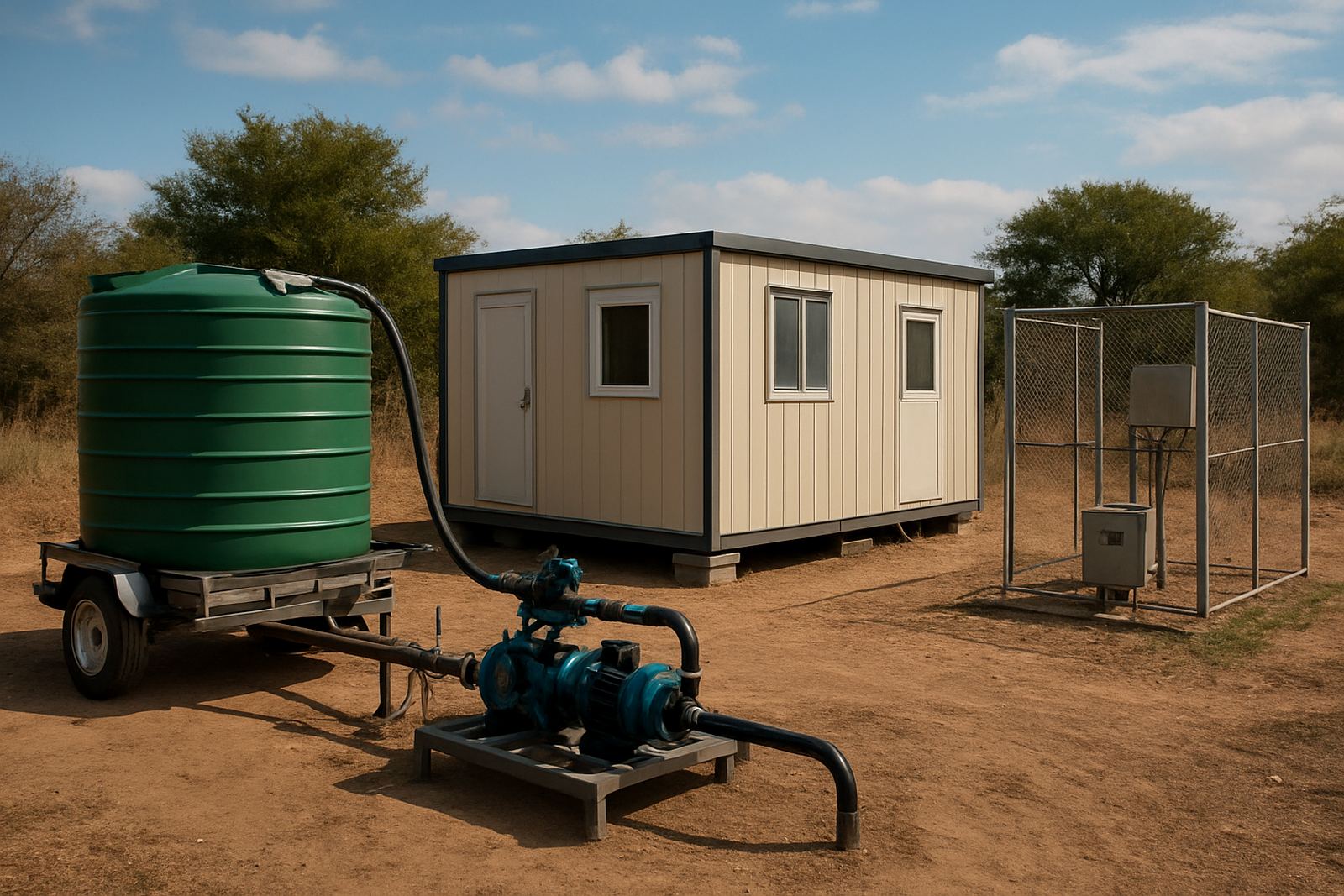
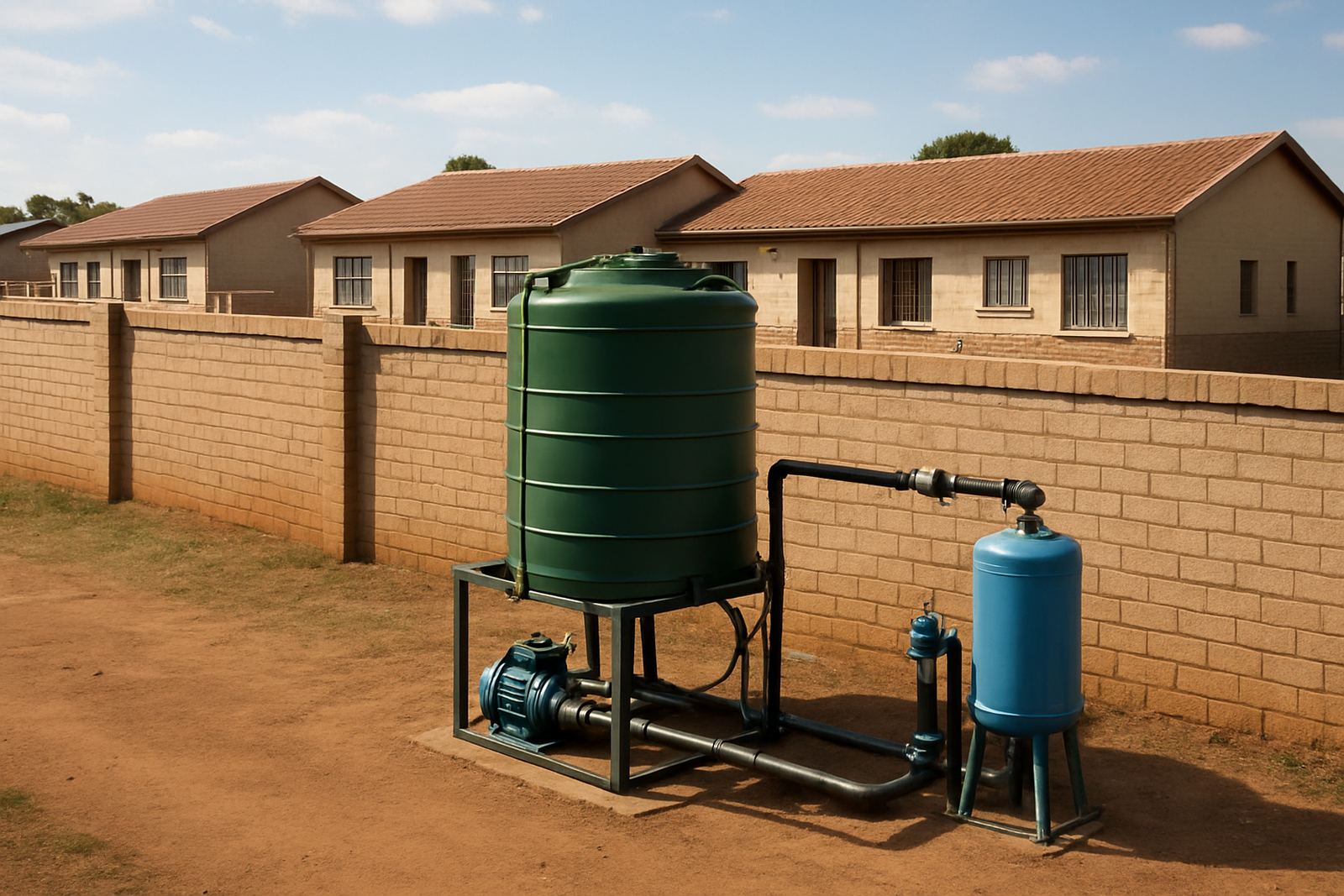
The equipment set depends on the source, but a solid smallholding package often includes storage, pumping, pre-filtration and point-of-use treatment. For a borehole-fed site that must also support a garden and a few livestock pens, a common setup is a borehole pump, pressure pump, filtration stages, a storage tank, float controls and plumbing connections sized for the expected flow. Where rainwater is part of the plan, gutters, leaf screens and first-flush diversion help keep dirt out of the tank from the start.
- Borehole pump or pressure pump matched to depth and flow
- Poly tank or multiple tanks from 2,500 to 10,000 litres, depending on demand
- Sediment filtration for sand, grit and silt
- Carbon or treatment stages for taste, smell and general water quality
- Automatic float valves, dry-run protection and pressure controls
- Pipework, fittings and isolating valves for easier servicing
On larger smallholdings, two tanks are often better than one very large tank. That gives more control during cleaning or maintenance, and it means the system can keep running if one tank is offline. It also helps with water balance when the garden, house and poultry shed do not use the same amount at the same time.
How to map your water layout before you buy
The best systems are planned around where the water is needed and how it will move. A tank placed too far from the house wastes pressure. A pump installed in a tight, hot outbuilding becomes a maintenance headache. If you have borehole water and rainwater on the same property, decide early whether the systems will remain separate or feed into a shared storage line with proper backflow protection.
We usually advise smallholders to think in zones. House and kitchen use, garden use, animal water, and washing or cleaning should each be mapped out. That helps with pipe sizing and avoids one section hogging all the pressure. It also matters for electrical planning, especially where there are frequent outages or unstable supply. A neatly laid out system with valves and clear access points is easier to service, and it saves money later.
- Place tanks on level, compacted bases with enough height for gravity feed where possible
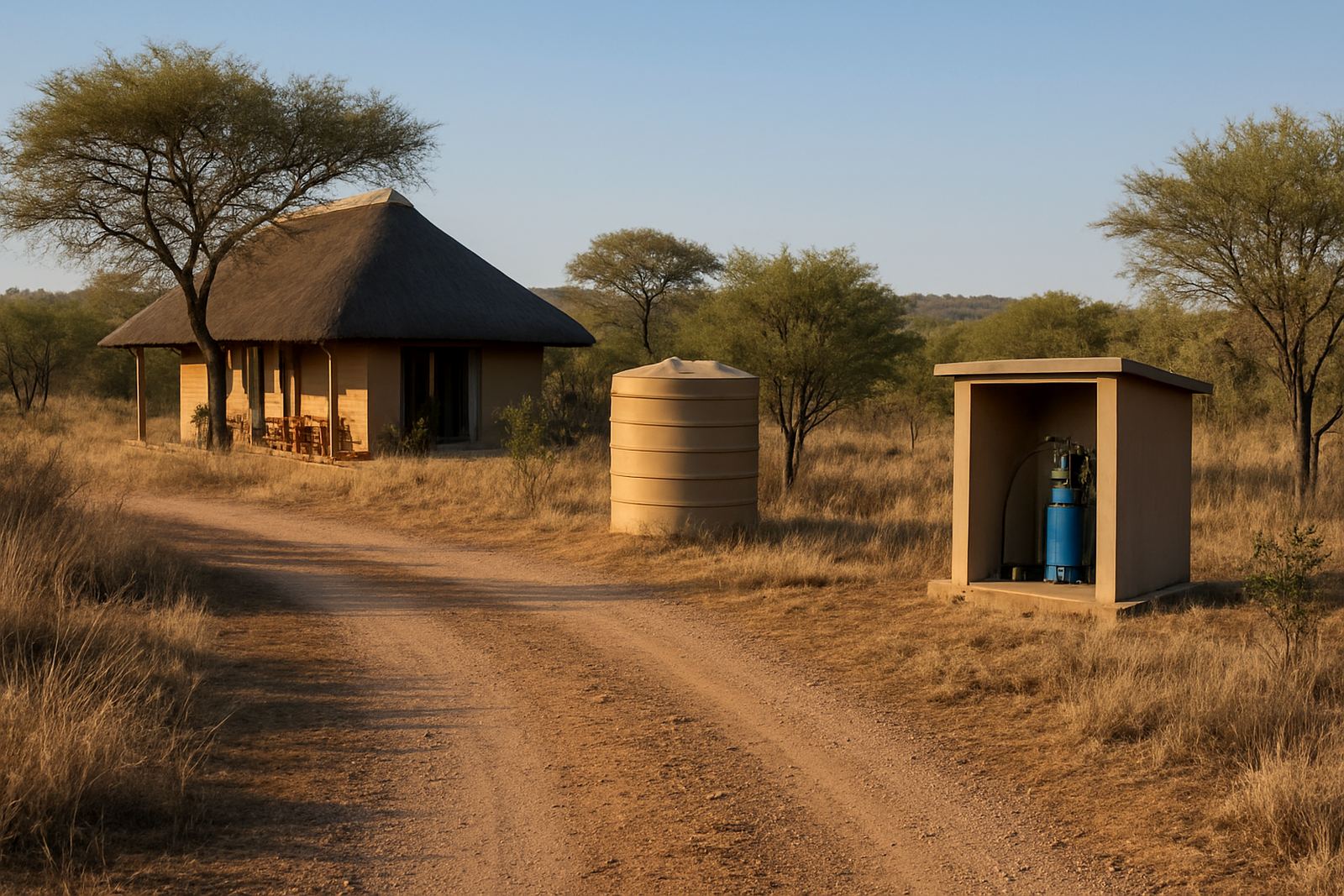
- Keep pumps shaded and ventilated to reduce heat stress
- Allow access for filter changes, tank cleaning and inspection
- Use separate outlets for domestic and irrigation use where possible
- Plan for summer demand, not only winter use
Common mistakes on smallholdings
Many water problems on smallholdings come from under-sizing, not bad water. A system that is fine for two people can struggle once a garden is planted, poultry numbers rise or a worker stays on site. Another frequent issue is poor filtration. People often fit a pump first and think about water quality later, only to find blocked nozzles, dirty storage tanks and stained fittings a few months in.
Another mistake is treating rainwater as free water with no upkeep. Gutters clog, tanks collect sediment, and first flush diverters need checking after dry spells. Borehole systems need maintenance too. If the pump is cycling too often, or the pressure drops when two taps open, something is not balanced. Ignore that long enough and the wear shows up in higher repair costs. It is better to size it once and test the flow properly than to keep adding parts after the fact.
- Choosing a tank that is too small for dry periods
- Skipping water testing before selecting filters
- Using one line for every application without valves
- Placing pumps where dust, heat or flooding will damage them
- Ignoring routine servicing until a fault stops the system
Budget ranges that make sense for a smallholding
Budgets vary a lot because a smallholding can mean one borehole and a modest tank, or a full setup with multiple storage points and treatment stages. As a guide, a basic rain-tank solution for domestic backup and garden use can start from about R12,000 to R25,000 depending on tank size, pump and fittings. A borehole support package with pressure control and filtration often sits from about R18,000 to R45,000. More complete systems for mixed use, especially where there are longer runs of pipe and larger storage volumes, can reach R60,000 to R120,000 or more.
The smartest way to spend the money is to start with the source, the demand and the flow. If the borehole output is limited, a bigger pump will not fix the problem. If the water is dirty, extra storage without proper treatment only moves the problem into the tank. We help clients work out what is needed now and what can be added later, so the first spend is practical and not wasted.
Support from Brits to farms and homes nationwide
Hydrated works from Brits in the North West and supplies and delivers to smallholdings across South Africa, including Pretoria, Hartbeespoort, Rustenburg, Bloemfontein and the Western Cape. For sites in Paarl, Stellenbosch and Somerset West, coastal humidity and variable source water often call for better corrosion awareness and careful filter selection. In drier inland areas, storage and pump choice matter more when the rain does not come on time.
Our team handles site assessments, system sizing, kit assembly, delivery coordination, installation support, commissioning checks and aftercare such as filter changes, pump servicing, fault finding, water testing, tank cleaning and annual maintenance. Led by Pieter Johannes van der Merwe, the team includes Ntombizodwa Shirinda, Zander Snyman, Ayanda Nkosi, Morne du Toit, Thandiwe Maseko and Kabelo Molefe. If you need a smallholding system that can keep up with daily life and light production, start with an enquiry on our contact page and we will work through the details properly.