Remote Water Needs on a Game Farm
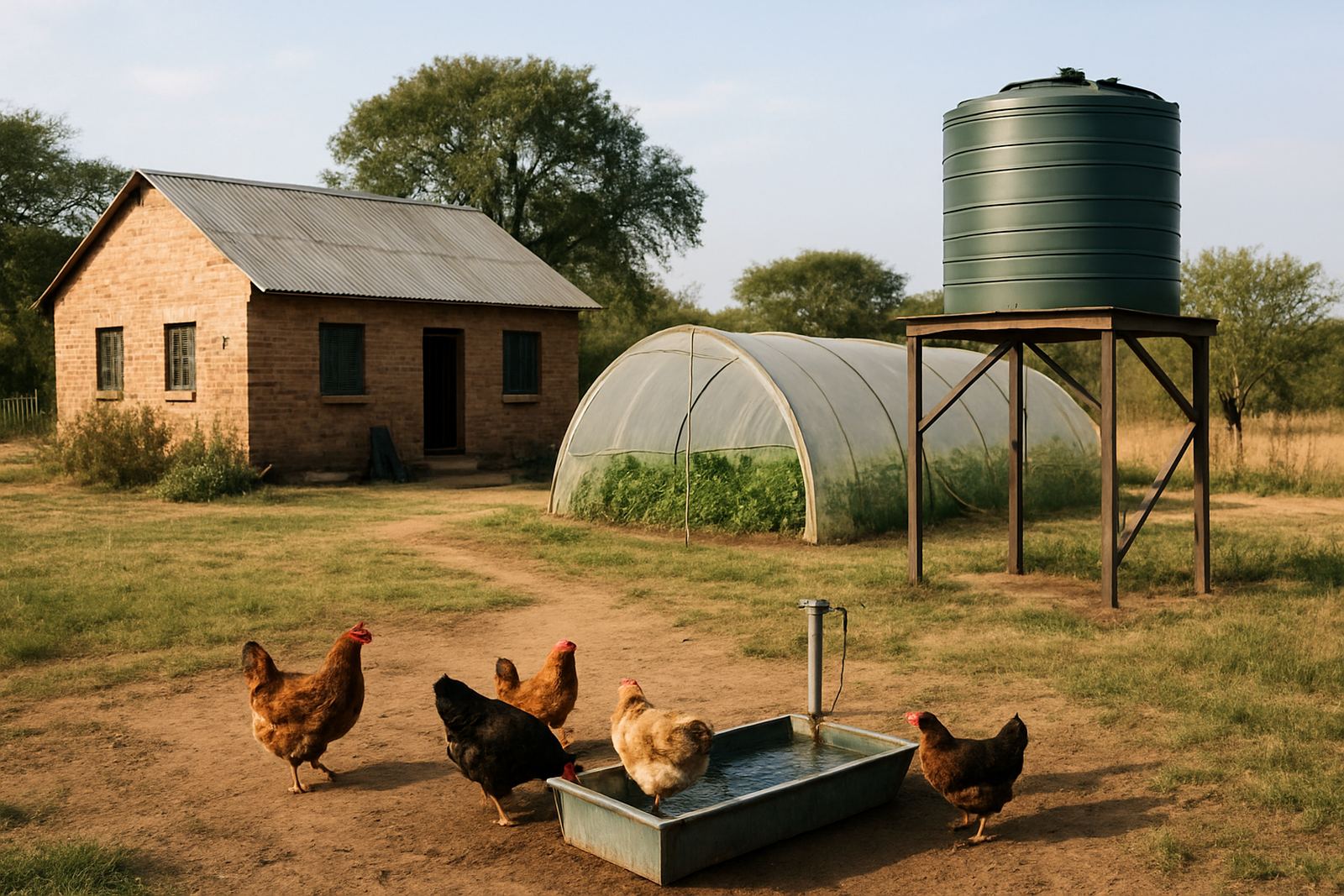
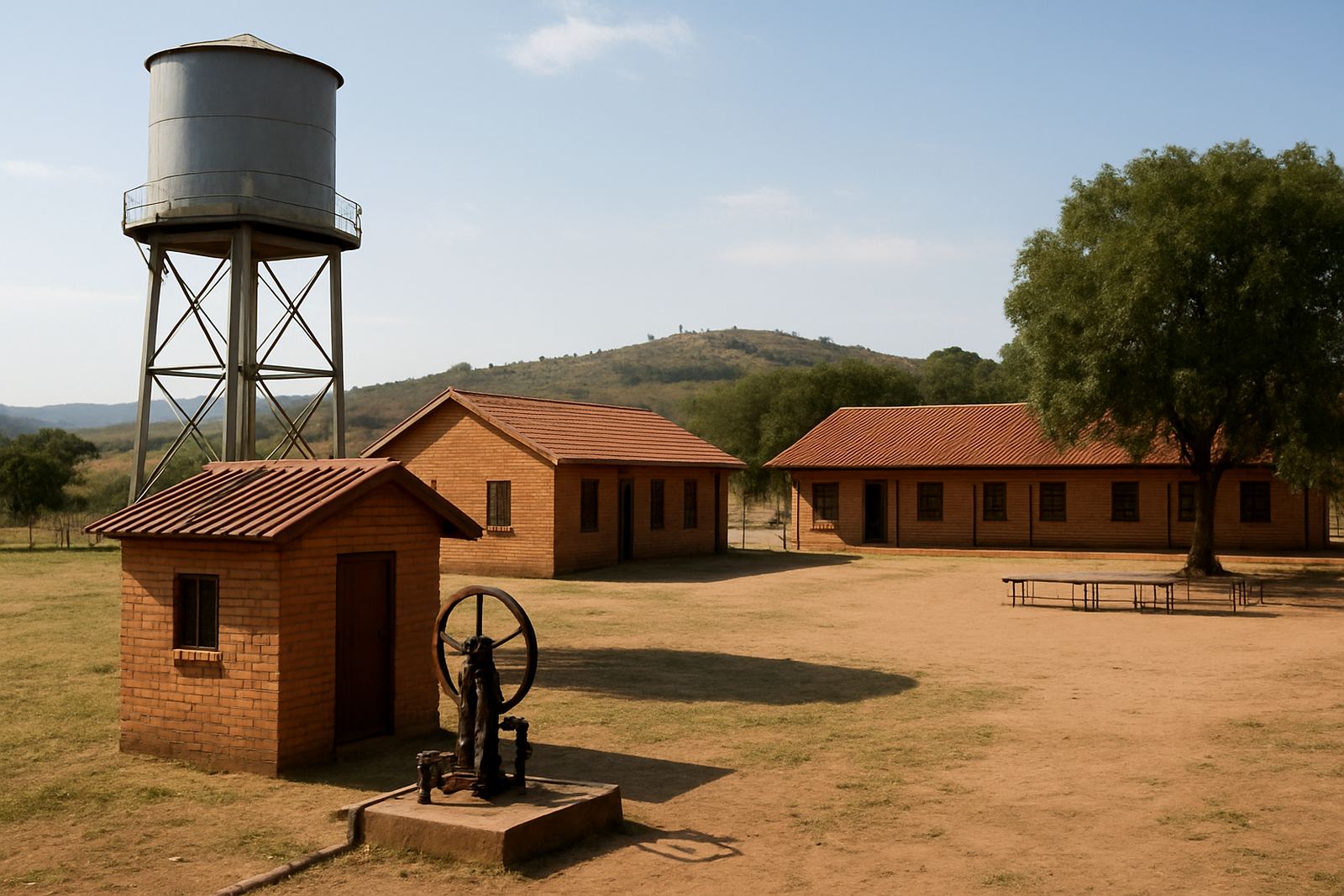
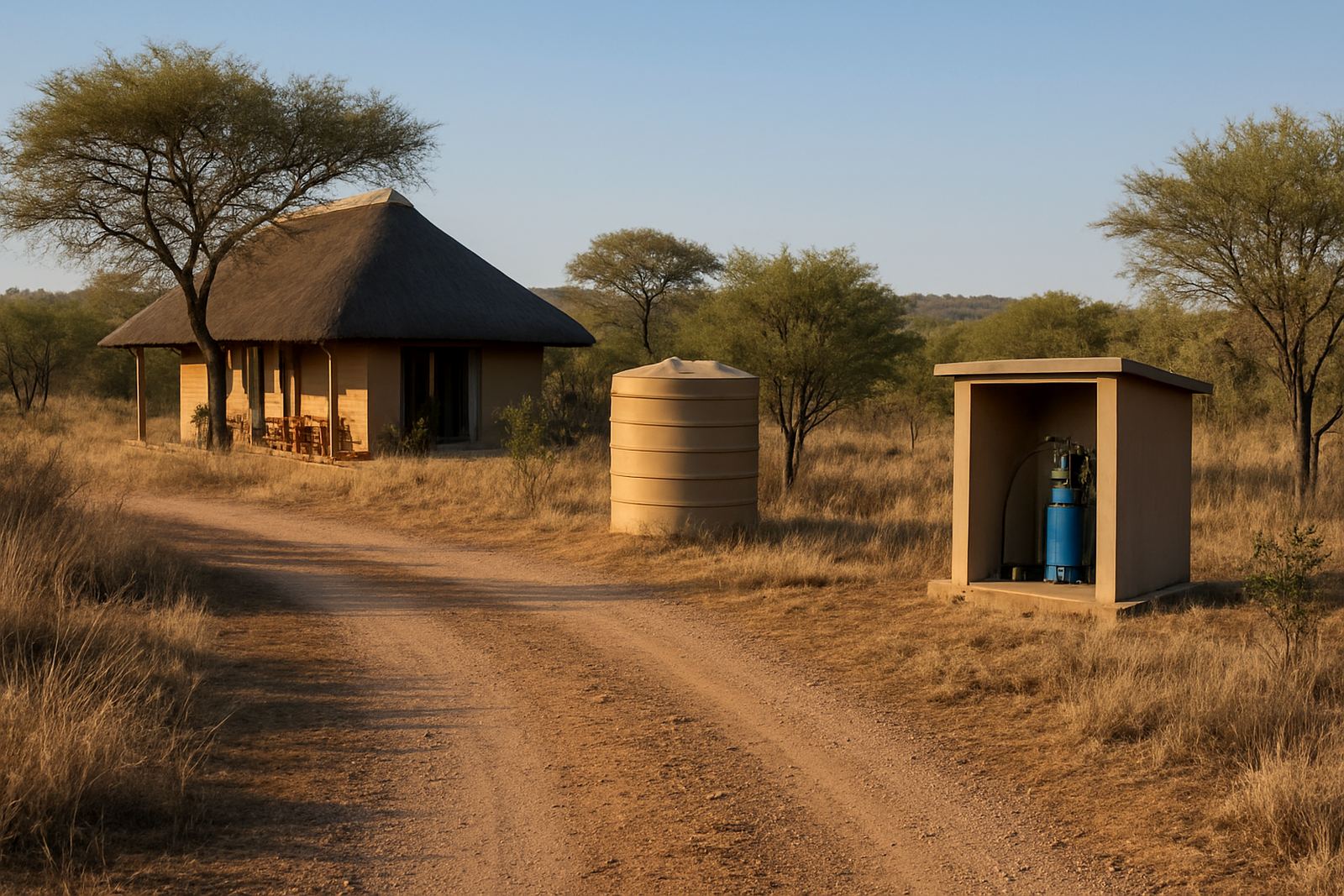
Most game farms do not have one neat water point and one simple demand. You may have a lodge, a farmhouse, staff housing, a borehole a few hundred metres away and one or two watering points that must keep animals moving in the right direction. A proper setup has to cope with long pipe runs, load-shedding, dusty conditions and water quality that changes after heavy rain or a dry spell.
We usually start by asking where the water must land first, then how it will move across the property. A system for a lodge in Hartbeespoort is not the same as a remote staff block near Rustenburg, and a watering point outside Bloemfontein will need different tank sizes and pressure planning than a coastal site in the Western Cape where corrosion and wind exposure matter more.
The aim is practical supply, not overcomplicated hardware. If the pump is undersized, the tank is too small or the filtration train is wrong, someone ends up running buckets, which defeats the point.
Typical Kit Setups For Lodges, Staff Quarters And Watering Points
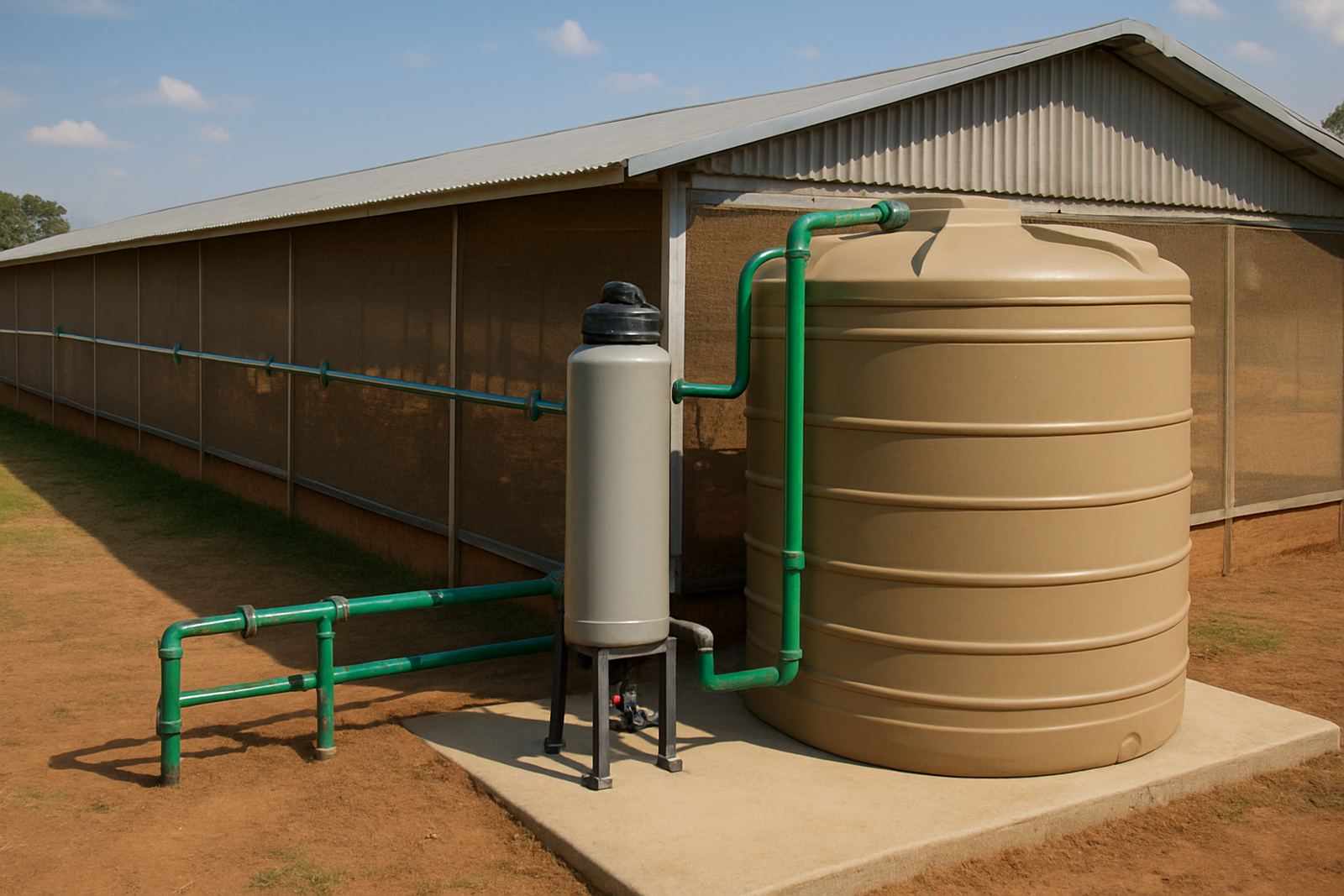
For game farms we often supply a package rather than a single item. That can include a borehole pump, control box, storage tanks, pressure management, filters and the fittings needed to tie the system together. Where rainfall is useful, a rain-tank setup can reduce pressure on the borehole and give you a buffer during dry weeks. In some cases we add a second line for irrigation or a separate line for potable water, so you are not filtering more water than you need to.
- Borehole kit sized to the actual draw depth and daily demand
- Storage tanks from small 2 500 litre units to larger 10 000 litre and above options
- Pre-filtration and fine filtration for drinking water points
- Pressure pump for lodge showers, basins and kitchens
- Float switches, valves and dry-run protection
- Pipe, connectors and manifold planning for longer runs
For staff quarters, the usual mistake is to overbuild the system for a short-term fix and then struggle with power use and maintenance later. For watering points, the better approach is often simple and serviceable, with a tank placed where vehicles can reach it and where animals do not damage the pipework.
Planning The Layout Before You Buy Anything
Good planning saves money on game farms because moving equipment twice is costly. Before ordering a kit, we look at borehole yield, storage location, elevation changes, pipe distances and whether the property has municipal backup in any section. If the source is 300 metres from the lodge, the pipe diameter and pressure loss matter just as much as the pump itself.
A sensible layout also considers access for maintenance. Tanks should be positioned where a technician can reach valves and filters without climbing over fencing or squeezing past livestock camps. In dusty inland areas, filters need to be easy to service. On coastal properties or estates in the Western Cape, fittings should be chosen with corrosion in mind, and enclosures should be kept off wet ground where possible.
We often advise keeping potable water and animal water separate. It makes fault finding easier and prevents one blocked filter from affecting every point on the farm.
- Keep tanks close to the main demand point where possible
- Allow for shutoff valves at each section of the property
- Use correct pipe sizing for long runs, not the cheapest pipe available
- Plan for a generator or backup supply during prolonged outages
- Leave space for future expansion if the lodge grows or more staff housing is added
Common Mistakes We See On Remote Farms
The most common problem is guessing the demand. A lodge with laundry, kitchen use and guest showers can draw far more water than a family home, and a watering point can empty a small tank faster than expected. Another mistake is fitting fine filtration before the water has been settled or pre-filtered, which causes blockages and unnecessary servicing.
We also see systems installed without proper commissioning checks. The pump runs, the tank fills and everyone thinks the job is done, until pressure drops, a switch sticks or a filter housing leaks after the first cold snap. A proper handover should include flow checks, leak checks and a quick test of the cutoff devices.
In some farm settings people try to use one line for everything. That often leads to poor pressure at the lodge and dirty water at the tap. Split the demand where needed and the system becomes easier to manage.
- Undersized tanks that cannot bridge load-shedding or pump downtime
- Poor cable routing that leaves wiring exposed to stock or weather
- No filter plan for borehole water with sediment or iron
- Using the wrong pump size for long vertical lifts
- Skipping water testing before final installation
Budget Ranges for Game Farm Water Systems
Budget depends on the source, the distance to the point of use and how many areas must be supplied. As a guide, a smaller system for staff quarters or a simple watering point can start from around R35 000 to R65 000. A lodge-focused setup with storage, pressure management and basic filtration often sits between R65 000 and R180 000. Larger multi-point farm systems with long pipe runs, multiple tanks and extra control gear can move above R180 000, especially if installation support and commissioning are included.
Rain-tank options are usually the more affordable way to add backup supply, while borehole systems carry more cost where pumping depth and water quality require additional equipment. If the property is remote, delivery coordination and site access also affect the final figure, especially around muddy roads in the rainy season or long gravel tracks outside town.
We prefer to quote against the actual site rather than a rough guess. That keeps the budget honest and reduces the chance of buying kit that looks right on paper but fails once it reaches the farm.
Support After Delivery
Once the kit is on site, the work is not finished. Filters need changing, tanks need cleaning and pumps benefit from servicing before the dry season starts. On game farms, small problems become bigger quickly because people are spread out and nobody wants to drive for an hour to reset a switch or clear a blockage.
Hydrated supports site assessments, system sizing, kit assembly, delivery coordination, installation support, commissioning checks, filter changes, pump servicing, fault finding, water testing, tank cleaning and annual maintenance. From Brits, our team works with farms across Pretoria, Hartbeespoort, Rustenburg, Bloemfontein and the Western Cape, and we keep the setup practical for the people who must live and work with it every day.
When the system is planned correctly, it gives you less worry, steadier pressure and fewer emergency trips to town. That is what remote farm water should do.