
Water Needs In A Busy Packhouse
A packhouse uses water in more places than many people expect. Wash bays, hose points, handwash stations, floor cleaning, tank fill points and utility lines all need a dependable supply, and the pressure must stay steady through the shift. If the site runs on municipal water alone, the pressure can drop at the wrong time, especially when neighbours are drawing hard or when load-shedding affects pumps and controls.
For packhouses in Brits, Hartbeespoort, Pretoria and further afield in the Western Cape, the setup usually needs to handle long operating hours, frequent wash-downs and water that may carry silt, tannins or iron. That means the system has to do more than move water. It must also filter it, store enough of it, and deliver it at a useful pressure without constant attention.
Hydrated works with packhouses that want a practical supply for filtered wash water and utility use, not a one-size-fits-all kit. The right answer depends on source water, daily volume, the number of hose points, and whether the site needs backup for municipal interruptions or borehole recovery periods.
Typical Kit Set For Wash Water And Utility Supply
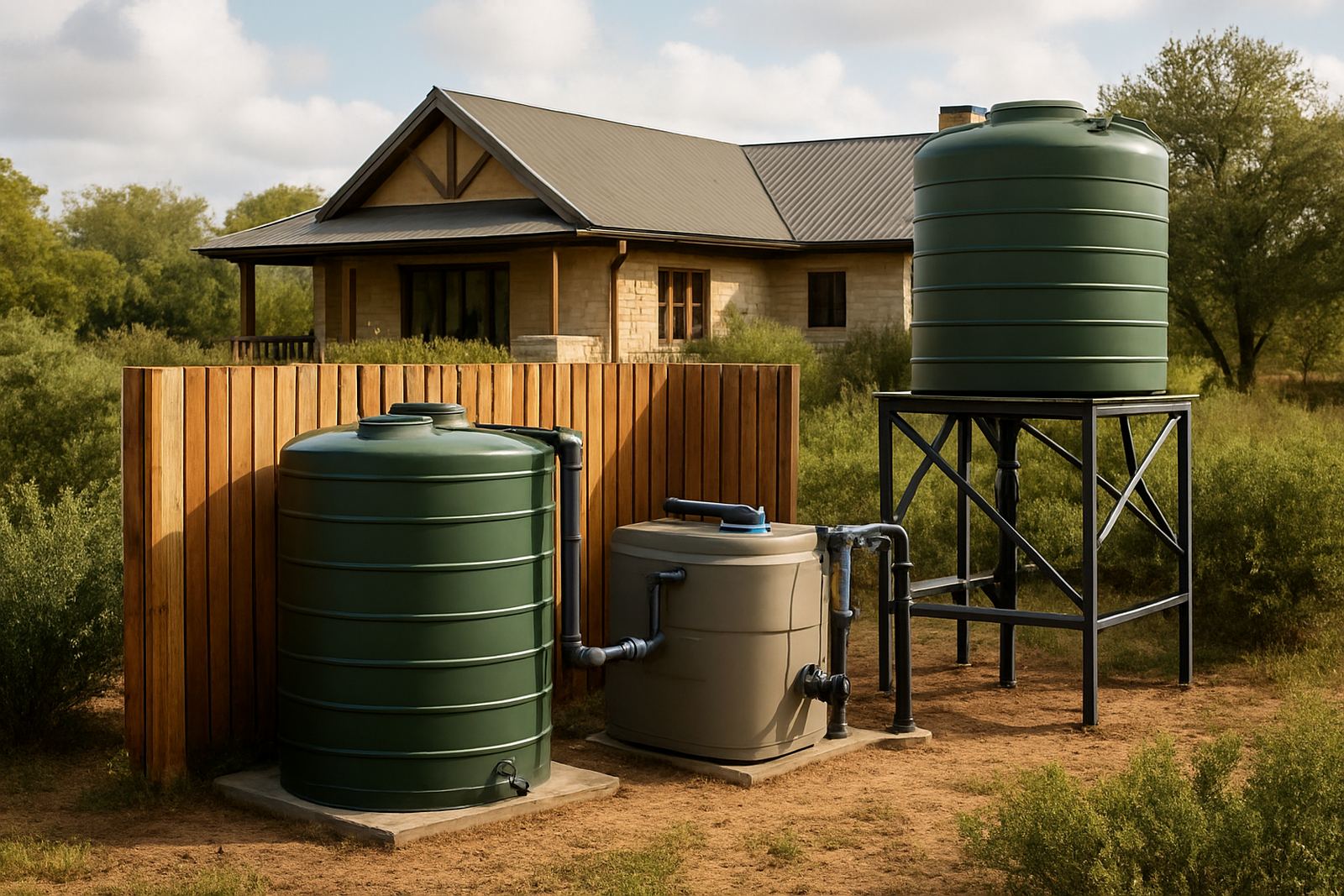
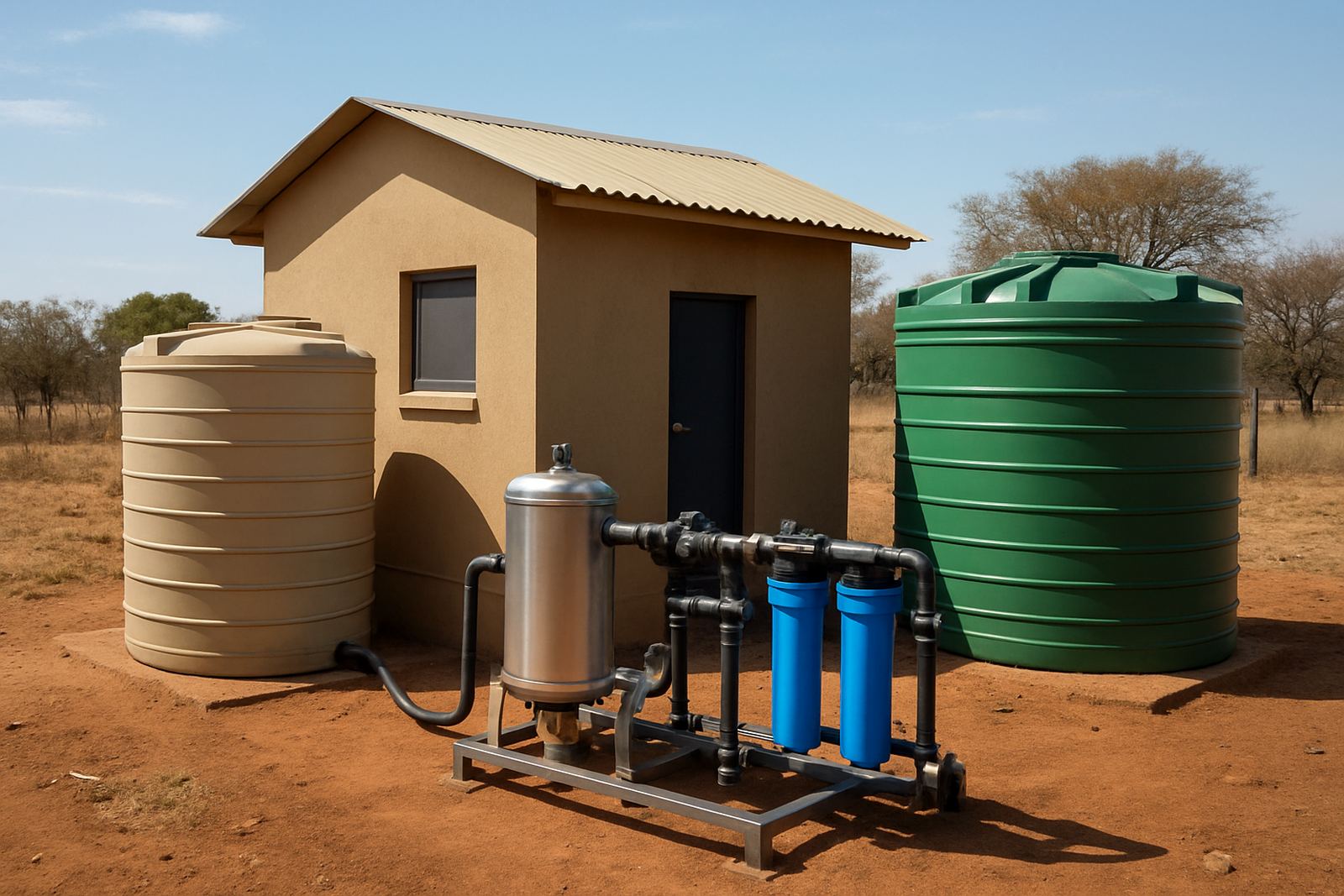
Most packhouse jobs start with a source, storage and pressure package. A borehole or rain-tank feed is usually paired with filtration, a pressure pump, a controller and the right pipework to keep the water moving cleanly. If the source water is variable, pre-filtration and sediment handling become important from the start.
- Borehole pump or transfer pump matched to the available yield and borehole depth
- Rain-water storage tanks or utility tanks, often 5 000 to 30 000 litres per tank depending on throughput
- Filter stages for sand, silt, leaf matter, and finer particles where needed
- Pressure pump with tank or pressure vessel for smoother flow at hose points
- Valves, manifolds, pressure gauges and isolation points for easy servicing
- Optional UV or finer filtration where wash water or utility water quality needs tighter control
In many packhouses the best result is a split approach. One line can supply general wash-down and cleaning water, while a filtered line feeds tasks that need cleaner water. This helps protect nozzles, seals and small fittings from blocking up. It also makes annual maintenance easier because each section can be isolated for service.
Layout Advice For Clean Flow And Easy Maintenance
The layout matters as much as the equipment. A packhouse should have the storage tanks, filtration and pressure equipment placed where staff can reach them for inspection and cleaning, but not where vehicle movement or chemical handling may cause damage. If the pump sits too far from the tank or suction line, the system can lose efficiency. If filters are hidden behind stored crates, nobody checks them until the pressure drops.
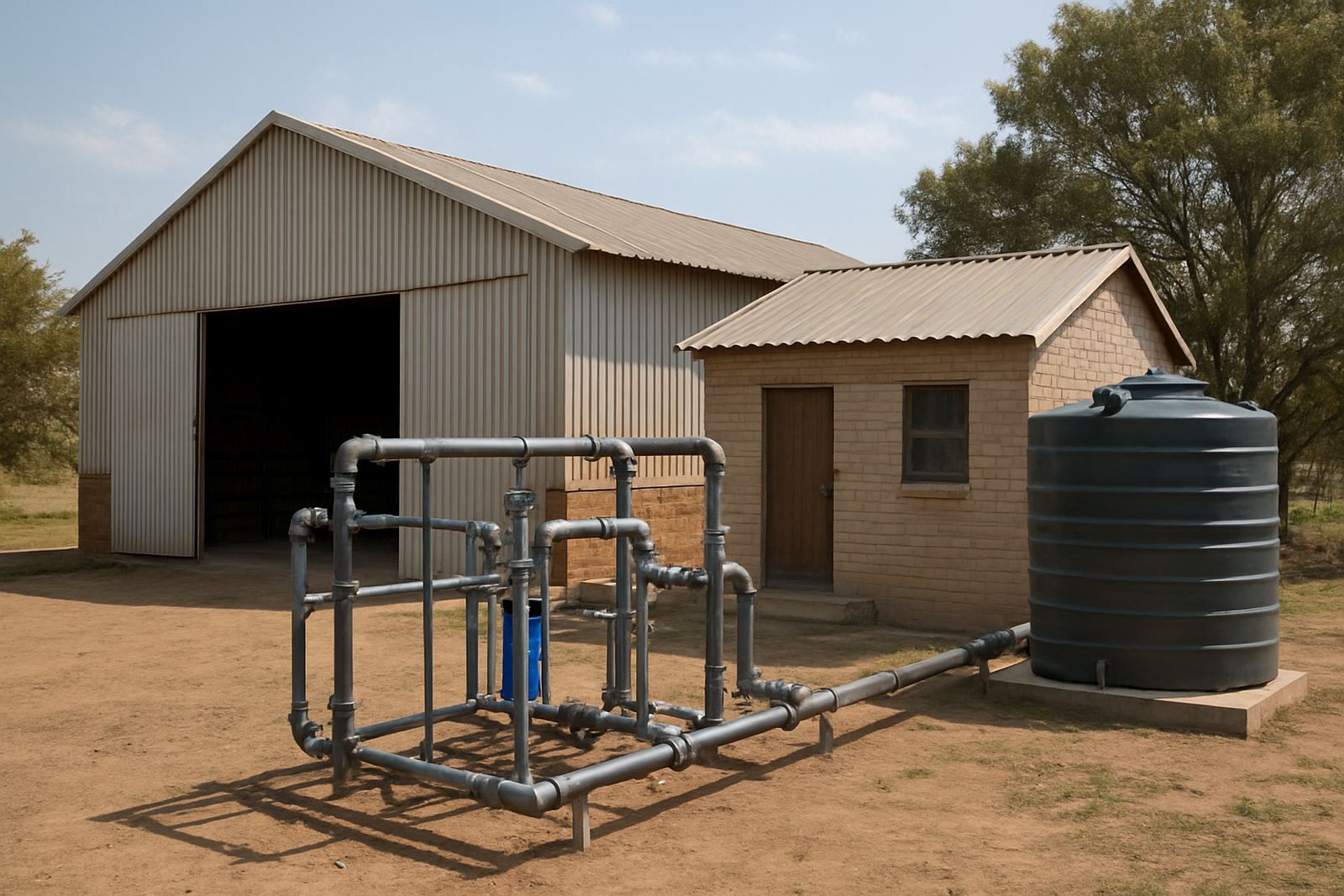
We often advise planning around three practical rules: keep the suction run short, keep filters accessible, and keep the pressure line separate from dirty wash areas where possible. A simple manifold with labelled valves can save a lot of time during fault finding and scheduled maintenance. In coastal areas like Paarl, Stellenbosch and Somerset West, it is also worth allowing for corrosion resistance and regular inspection because humidity and salt in the air can shorten the life of exposed fittings.
For sites in municipal areas, make sure any storage and backup arrangement fits local water-use rules and site compliance needs. In farming districts around Rustenburg and Bloemfontein, packhouses often need extra storage to bridge outages or dry spells, so tank size and replenishment speed should be planned together. It is usually cheaper to do the layout properly once than to keep reworking pipe runs later.
Common Mistakes That Slow A Packhouse Down
The most common mistake is under-sizing the system. A packhouse can get by for a day on light demand, but once the shift is full, the water use can spike quick. If the storage is too small or the pump cannot keep up, staff start using backup buckets, waiting on pressure, or switching off points that should stay live. That slows the whole site and puts pressure on hygiene routines.
Another mistake is ignoring filtration until something blocks. Sand, rust and organic matter can wear pumps, clog sprays and leave tanks dirty. We also see sites where the pump is installed correctly but the pipe sizing is too narrow, creating pressure loss that looks like a pump problem when it is really a plumbing issue. Finally, some packhouses forget service access. If you cannot reach the filters, valves and gauges easily, maintenance gets delayed and faults become bigger than they should be.
- Do not rely on one small tank for a full-day packhouse shift
- Do not place filters where staff have to move pallets to reach them
- Do not mix dirty wash water flow with clean utility lines without planning
- Do not skip commissioning checks after installation support or tank cleaning
Budget Ranges For Packhouse Water Systems
Budget depends on source water, daily demand, tank size and how much filtration the site needs. A modest packhouse support setup for utility water and pressure control may start around R45 000 to R90 000 if the pipe runs are short and the water source is straightforward. A more complete package with larger storage, stronger pressure support and better filtration can range from R90 000 to R220 000.
For larger packhouses or sites with multiple wash lines, backup supply requirements and more demanding water quality, budgets can move from R220 000 to well above R500 000. That usually includes more substantial tanks, staged filtration, more complex manifolds and installation support across a wider site. The final price also depends on delivery distance, especially for farms and packhouses spread across North West, Gauteng or the Western Cape.
It helps to treat the budget in phases if needed. Some clients begin with storage and pressure management, then add tighter filtration, extra tanks or pump servicing later. That approach can work well when the site is growing or when water testing shows the source needs more treatment than first expected.