Water Needs at a Church Site
A church site is rarely just one building. There may be a main hall, a kitchen, toilets, a caretaker's room and sometimes a garden tap or two for cleaning and watering. On Sundays the demand is steady, but during funerals, conferences, school holiday programmes and community meetings the use can jump quickly. That is why the water setup needs to be simple enough for volunteers to understand, yet sized properly for the real daily load.
In many towns, from Pretoria and Brits to Rustenburg and Hartbeespoort, church groups face the same issue: municipal pressure drops at the worst time, or the water quality is not good enough for drinking and kitchen use. A small storage and filtration setup can keep the site going through load-shedding, dry spells and supply interruptions. For larger congregations, a borehole or rain-tank system gives a bit more control over water use and running costs.
Typical Kit for a Hall, Kitchen and Ablutions
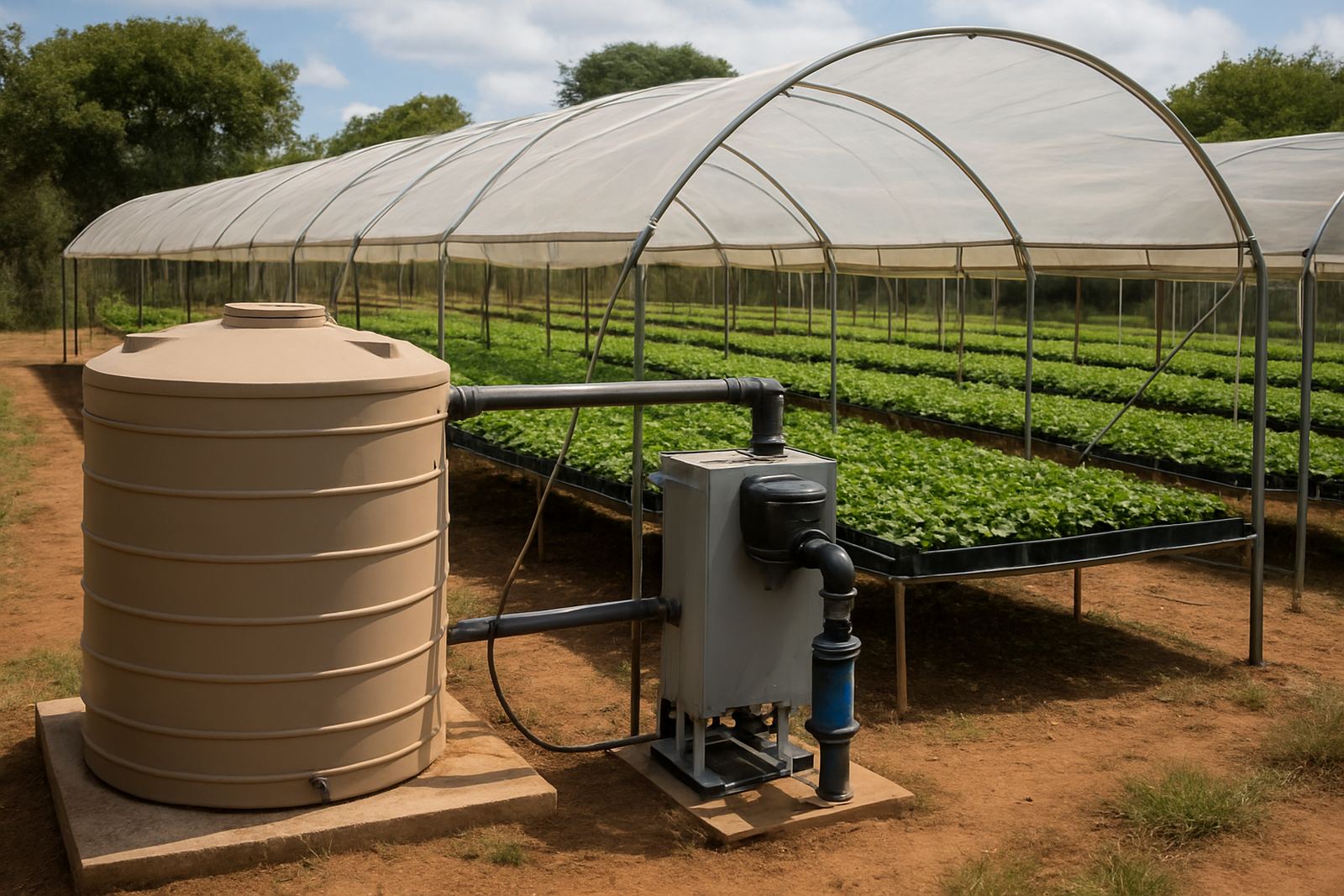
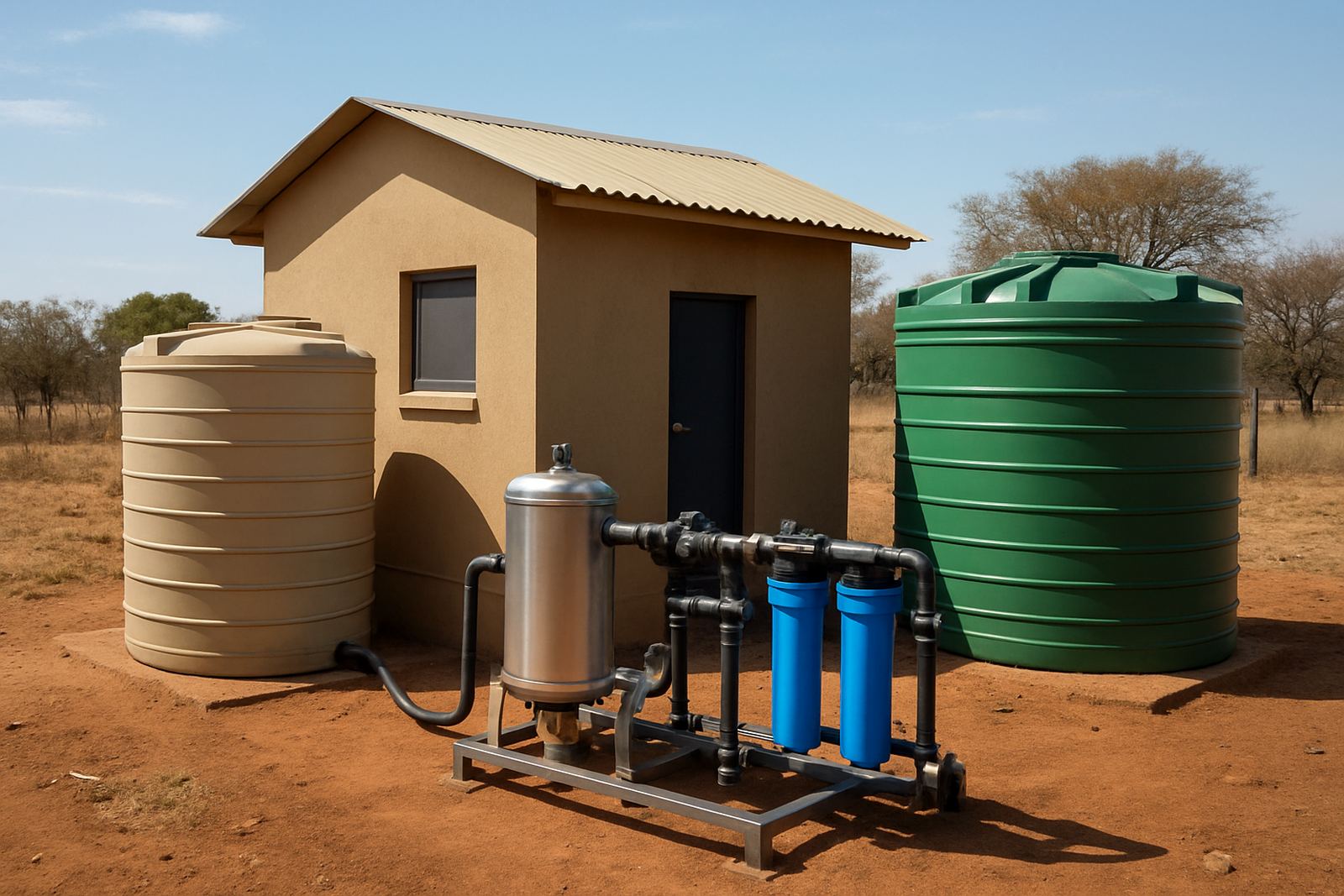
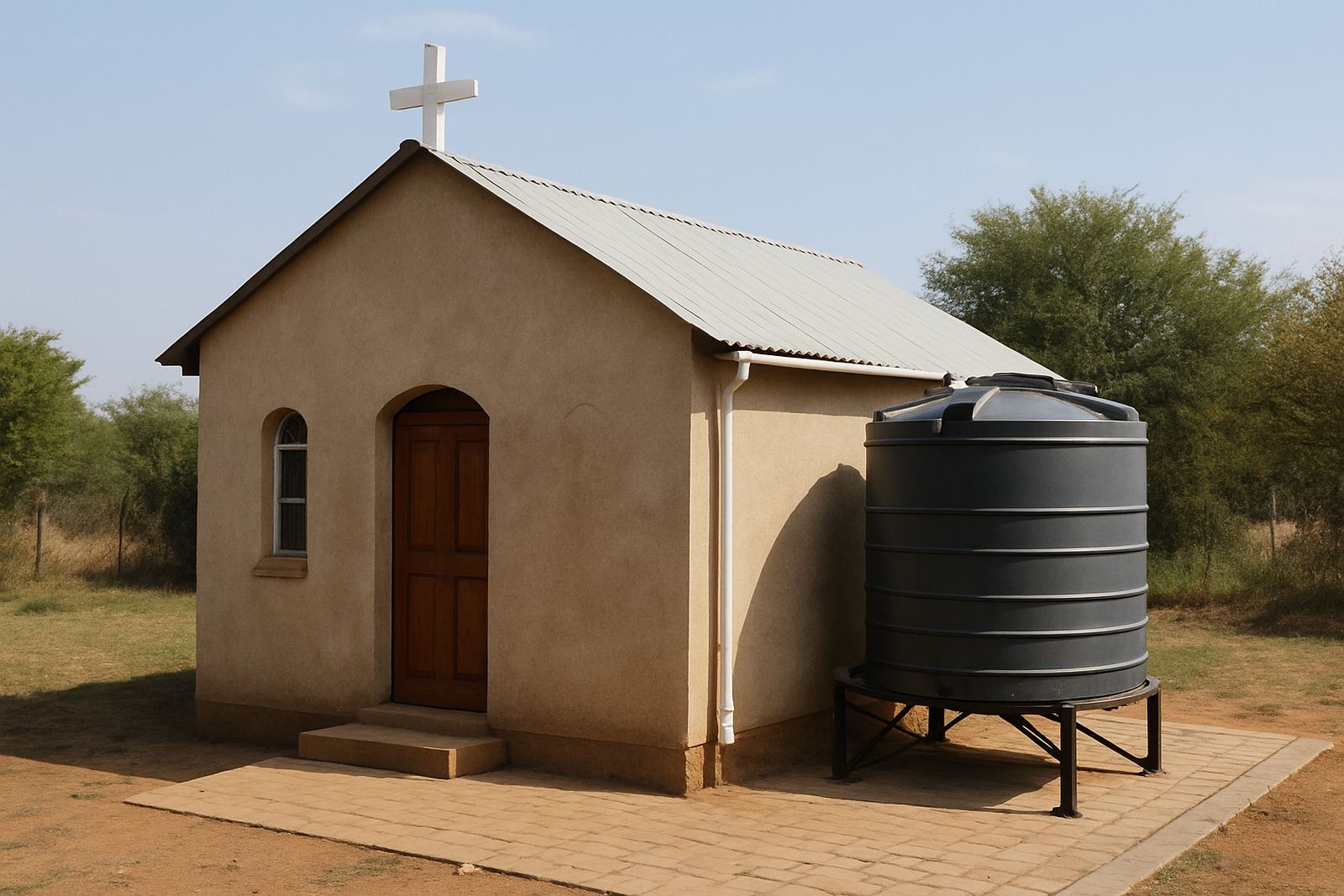
The right set-up depends on whether the site only needs handwashing and cleaning water, or whether it also needs safe water for tea, coffee and meal prep. For a modest church hall, the usual starting point is a storage tank, pump, pressure control, basic filtration and the fittings needed to feed taps and toilets. If the site already has a borehole, the kit often focuses on pumping, filtration and storage. If rainwater is available from a good roof area, that can help with non-drinking use and reduce pressure on the municipal supply.
- 1 000 litre to 10 000 litre tank, depending on attendance and roof space
- Pump and pressure control for tap and toilet supply
- Sediment filter for sand, rust and fine particles
- Carbon filter where taste and odour need improvement
- UV or finer filtration for drinking water points
- Float valves, non-return valves and proper isolating taps
- Basic plumbing parts for kitchen and ablution connections
For churches in coastal areas such as Somerset West or Paarl, pipe and tank placement should take salt air and sun exposure into account. In hotter inland areas like Bloemfontein, keeping tanks shaded helps reduce heat build-up and keeps water more stable for longer.
Planning the Layout So Volunteers Can Use It
A good church water layout is one that a volunteer can check in five minutes before a service, without phoning someone every time. Keep the tank close enough to the pump to reduce pressure loss, but not so close that maintenance becomes awkward. Place the filtration stage where it can be reached easily for cartridge changes. If the site has children or community members moving around the building, it helps to keep exposed pipework neat and protected.
It also makes sense to separate drinking water from cleaning water. A common mistake is feeding every tap from the same basic line and then expecting the kitchen team to get clean water for tea and food prep. Another mistake is using a tank that is too small for special events. A church may get through 1 000 to 2 000 litres on a quiet day, then double that when a full event is booked. Planning for both situations avoids last minute shortages and unhappy guests.
- Measure roof catchment and available yard space before choosing tank size
- Check where power is available for the pump and any treatment equipment
- Keep filters and valves accessible, not hidden behind walls or stored rooms
- Allow for a bypass line in case maintenance is needed during a service weekend
- Use labelled taps for drinking, kitchen and cleaning water where possible
Common Mistakes on Church Properties
One of the biggest problems is overspending on fancy equipment and under spending on storage and plumbing. A church can have a good pump, but if the tank is too small or the pipe run is badly planned, the site still runs short when people arrive. Another issue is poor protection against dirt from gutters, especially on older roofs where leaves, dust and bird droppings can collect before the first rain washes everything down.
We also see systems installed without anyone being told how to use them. If the treasurer, caretaker or facilities team does not know when to backwash a filter, when to clean a tank or what to do during a fault, the setup stops being useful very quickly. In communities where electricity supply is unstable, it helps to have a clear plan for pump operation and water storage during outages, otherwise the site may run dry even though the tank is full.
For churches in Rustenburg, Brits and the broader North West, water can sometimes carry fine grit or a strong mineral taste. That does not always mean the water is unsafe, but it does mean testing should happen before choosing the final filter arrangement. The same applies where rainwater is being used after long dry periods, since the first flush off the roof can carry a lot of debris.
Budget Ranges in Rand for Church Sites
Church water budgets vary a lot because the buildings and attendance patterns differ. A small hall with a kitchen and two toilets may only need a straightforward storage and filter package, while a larger site with multiple rooms and regular community use will need more capacity. As a guide, a basic setup for a small church site usually starts from around R18 000 to R35 000, depending on tank size, pump choice and plumbing work.
Mid-range systems for busier churches often sit between R35 000 and R75 000. These usually include a larger tank, better filtration, stronger pumping and more careful installation support. If a borehole needs servicing, water testing or extra treatment, the total can move higher. On larger properties with more than one building, costs can also rise because of pipe runs, trenching and the need to feed several points from one source.
It is often better to spend a little more on the right size and proper fitting than to buy a small kit and patch it up later. That said, not every church needs the top end option. A good site assessment in Pretoria, Hartbeespoort or Bloemfontein can quickly show what is needed and where the money should go first.
Support for New Builds, Upgrades and Existing Sites
Hydrated works with church committees, pastors, facility teams and volunteers who need practical water solutions without unnecessary complexity. We handle site assessments, system sizing, kit assembly, delivery coordination, installation support and commissioning checks. For existing systems, we also assist with filter changes, pump servicing, fault finding, water testing, tank cleaning and annual maintenance.
If your church is in Brits, Pretoria, Hartbeespoort, Rustenburg, Bloemfontein, Paarl, Stellenbosch or Somerset West, we can help match the setup to the building size, attendance levels and the water source you have available. The aim is to keep kitchens running, ablutions supplied and cleaning water available, with a setup that is easy to maintain over time.
When a congregation is using the same water system week after week, the best answer is usually the one that keeps working quietly in the background. That means proper sizing, clear labels and a system that does not create more work for the people looking after the property.