
What a tank changeover kit does on site
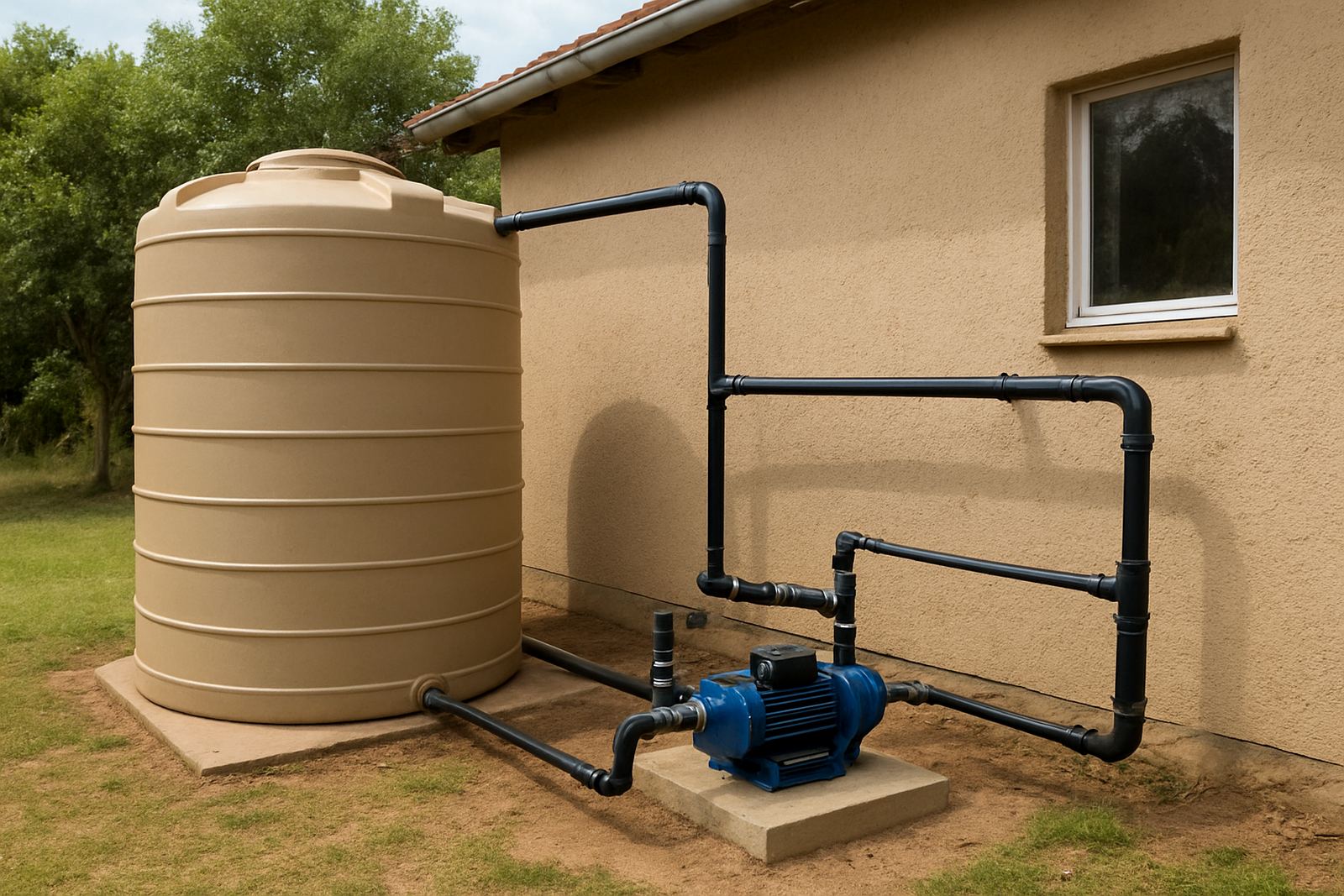
A tank changeover kit is a fitted set of valves, connectors and control parts that lets you alternate between two water sources, usually rainwater storage and a municipal line, borehole line or another holding tank. It is used where supply can vary from week to week, or where the owner wants to use rainwater first and keep the second source as back-up.
On a Pretoria property it may feed toilets, garden taps and a wash bay. On a farm near Brits or Rustenburg it can support staff housing, livestock watering points or a packing area. The aim is simple, use the water already stored, then change over when levels drop or the task needs a different source. No special operator training is needed, though the setup must be installed correctly and labelled well.
Kit sizes and configuration options
We supply changeover kits in practical formats for small and medium systems, with the final selection depending on pipe size, pump pressure and the type of tank arrangement on site. Most homes use 20 mm, 25 mm or 32 mm connections. Larger farm or commercial systems may need 40 mm or 50 mm lines with higher flow components.
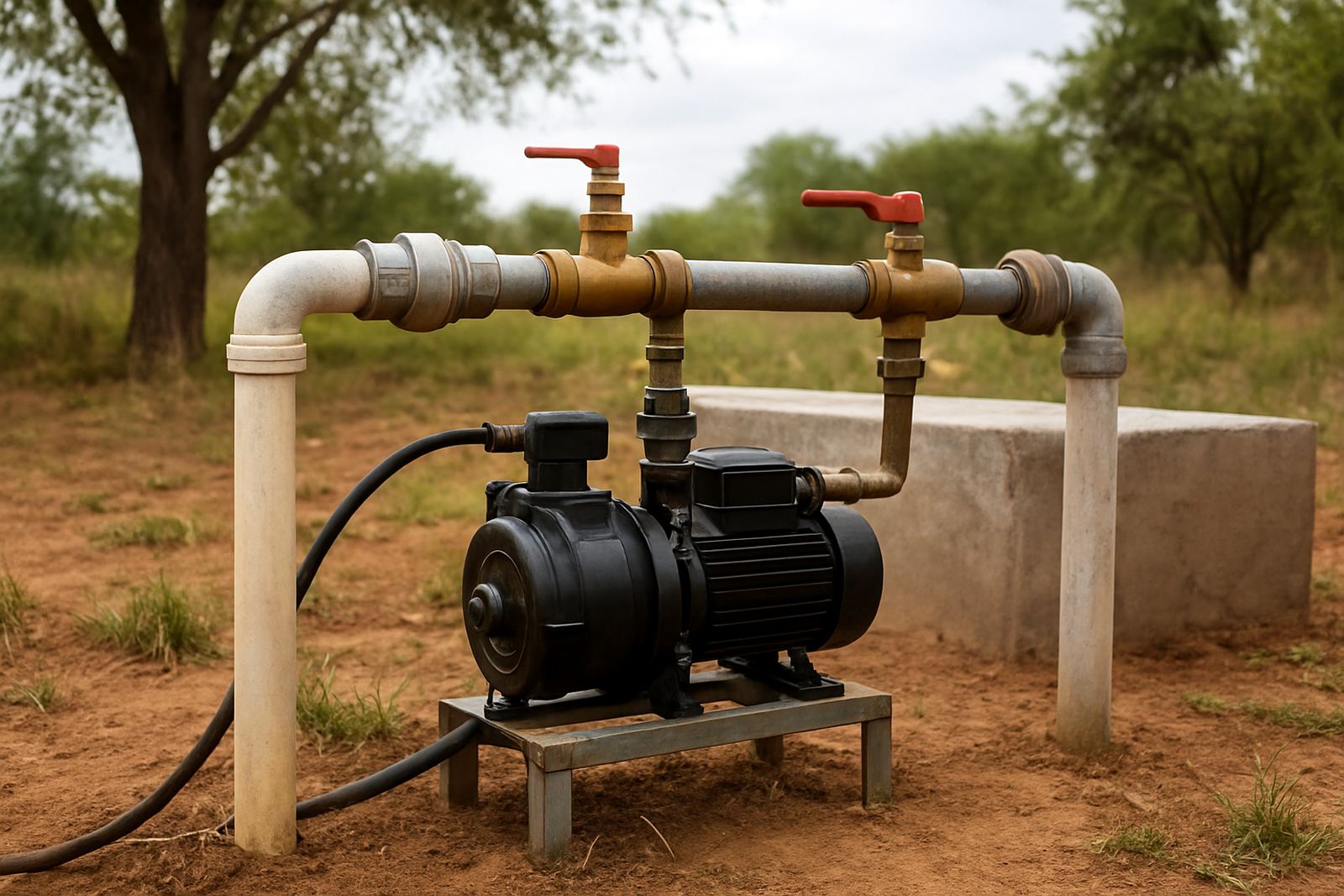
- Manual changeover kits for simple two-source switching
- Valved sets for above-ground tanks and ground tanks
- Options for gravity-fed systems or pumped systems
- Fittings for PVC, polyethylene and mixed pipework
- Strainers, unions, non-return valves and isolation valves where needed
We also consider whether the tanks sit side by side, at different heights, or in a separate pump room. A neat fit matters because poor pipe runs can cause pressure loss and airlocks, especially where there is load-shedding and pumps need to restart often.
Where the kit suits best
This product is a good fit for homes, guest units, irrigation rooms, livestock yards and small businesses that want to move between water sources without disconnecting pipes every time. It is also useful where water quality changes during the year, for example when rainwater is clean enough for washing but another source is reserved for drinking after treatment.
In coastal areas like Somerset West and parts of the Western Cape, fittings should be chosen with corrosion in mind, since humid air and salty conditions can shorten the life of cheap metal parts. In inland towns such as Bloemfontein, a changeover kit often helps families store water for dry periods and manage municipal restrictions better. It works well where there is a tank cleaning schedule too, because the system can be isolated and serviced in sections.
- Homes with rain tanks and municipal backup
- Farms with rain tanks and borehole supply
- Properties with storage tanks for irrigation or cleaning
- Sites needing water continuity during interruptions
Installation, power and pressure points
Installation is usually done alongside the tank and pump layout, and the pipe route should be kept short and serviceable. The kit itself does not need electricity, but if the system uses a pressure pump or booster pump then power supply becomes part of the planning. During load-shedding, a pump may stop mid-cycle so the fittings need to allow easy isolation and safe restart, not a hurried patch up.
Where water moves by gravity, the kit must be positioned to avoid siphoning and backflow. Where the system is pumped, the installer should check pressure ratings, pipe diameter and valve direction. We also look at whether a filter sits before or after the changeover point, because that affects maintenance access and how often cartridges or screens need cleaning. It is worth getting this right first time, a wrong valve orientation can waste hours later.
Care, servicing and common checks
A changeover kit needs basic care rather than constant attention. The main items are valve condition, sealing washers, unions and any strainers used to catch grit. If the handle becomes stiff, or the changeover is not fully opening, it should be checked before it damages the pump or reduces flow to the house.
- Inspect for drips at unions and valve joints
- Check that labels and source markings are still clear
- Flush out grit after tank cleaning or heavy rain
- Test the non-return valve if water is drifting back between lines
- Replace worn seals before they split under pressure
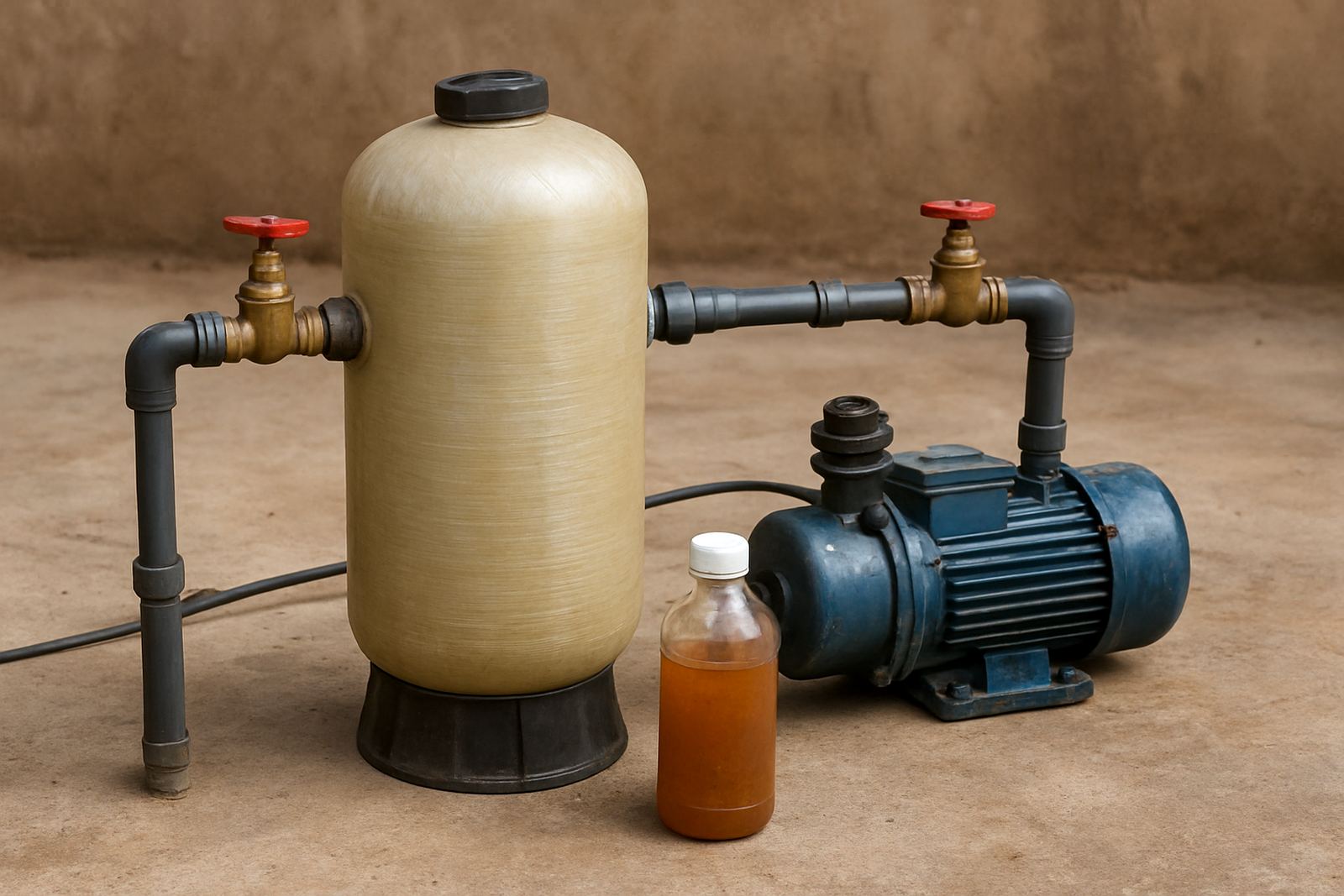
For farms and high-use sites, we often recommend a yearly inspection with the rest of the water system. If the kit is tied into filtration, pressure vessels or a borehole line, the service visit can include fault finding, pump servicing and water testing at the same time.
What to confirm before you order
Before ordering, check the tank sizes, source types, pipe diameter and whether the system is manual or pump assisted. It also helps to know the expected daily use, because that influences how quickly the changeover will be used and whether a larger valve set is needed. If there is an existing treatment line, tell us what it is doing so the kit can be matched properly.
Please also note if the site is in a windy or dusty area, or if the tank room is exposed. These small details matter when selecting fittings and placing the changeover point. For a new build in Hartbeespoort or an upgrade in Paarl, we may suggest a slightly different arrangement than for a farmhouse outside Rustenburg. The right spec keeps the water moving and reduces call-backs later on.
- Pipe size and pipe material
- Tank capacity and number of tanks
- Source types to be switched between
- Whether a pump or booster is part of the system
- Need for filters, strainers or non-return valves
- Installation location and access for future servicing
Key facts
| Product type | Tank changeover kit for two water sources |
|---|---|
| Typical sizes | 20 mm, 25 mm, 32 mm, 40 mm and 50 mm options |
| Suitable systems | Rainwater tanks, boreholes, municipal backup and storage tanks |
| Installation method | Manual valve changeover with optional pump integration |
| Material options | PVC, polyethylene and corrosion-resistant fittings |
| Service support | Installation support, commissioning checks, fault finding and maintenance |