What the Iron Filter Kit Does
This kit is made for water that looks clear at the tap but turns rusty after standing in a sink, tank or toilet cistern. It helps remove dissolved iron before it has time to oxidise and stain surfaces, and it can also cut down on the metallic taste and smell that some borehole supplies carry. The result is water that is easier to use for washing, general household supply and light farm use.
The kit is assembled for practical South African conditions, from Pretoria and Brits to Hartbeespoort, Rustenburg, Bloemfontein and coastal areas in the Western Cape where humidity can make staining and corrosion worse. It is a proper fit for boreholes that show reddish-brown streaks on sanitaryware, greenish-brown discolouration in plastic fittings, or sediment build-up in holding tanks.
Kit Sizes and Main Components
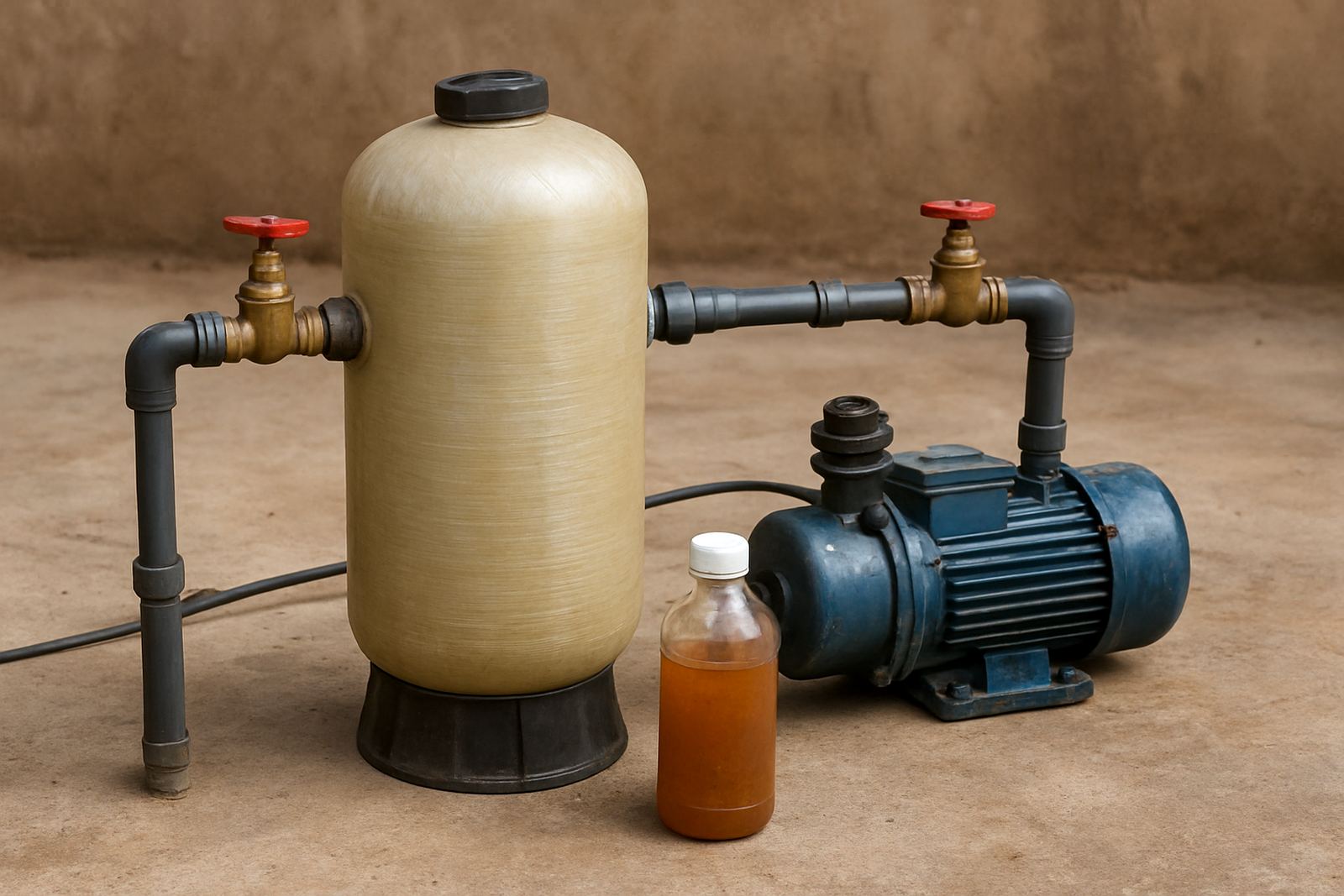
We supply the Iron Filter Kit in sizes matched to the expected flow and water quality. The right size depends on how much water you use per day, how many taps or outlets are running at once, and whether the system must feed a house, irrigation line or staff housing. A small household setup may only need a compact filter vessel, while a farm or multi-building site may need a larger vessel with higher flow capacity.
- Filter vessel in a size matched to the required flow rate
- Specialist media for iron reduction and general water polishing
- Multi-port control head or manual valve, depending on the setup
- Bypass arrangement for servicing and maintenance
- Pre-filtration options for sand and silt where needed
- Fittings and unions for neat installation and easier future changes
Typical options include 25 mm, 32 mm and 50 mm line connections, with vessel sizes selected for low, medium or higher demand systems. If the source water also carries manganese, tannins or fine grit, the kit can be specified with added stages so the filter is not overworked. That keeps servicing simpler and helps the media last longer.
Where This Kit Suits Best
This product suits boreholes that show iron staining in bathrooms, kitchens, laundry areas and storage tanks. It is commonly used on homes in Pretoria, Rustenburg and Hartbeespoort, as well as smallholdings, guest farms and agricultural sites outside Bloemfontein and across the Western Cape. If your water leaves brown rings around basins or stains white washing, this is the type of kit to look at first.
It also works well where municipal supply is unreliable and the borehole becomes the main source during load-shedding or water interruptions. On farms, the kit is often installed before household use points, wash areas or plant rooms to improve water quality before it reaches taps and appliances. In coastal areas the system can help reduce the effect of iron-rich groundwater on fittings and geysers, which saves a lot of cleaning later.
- Homes with visible iron staining on sanitaryware
- Guest units, cottages and staff accommodation
- Small farms, nurseries and equestrian properties
- Water points feeding tanks, pressure systems or wash-down areas
- Sites where water testing shows elevated iron levels
Installation, Power Needs and System Layout
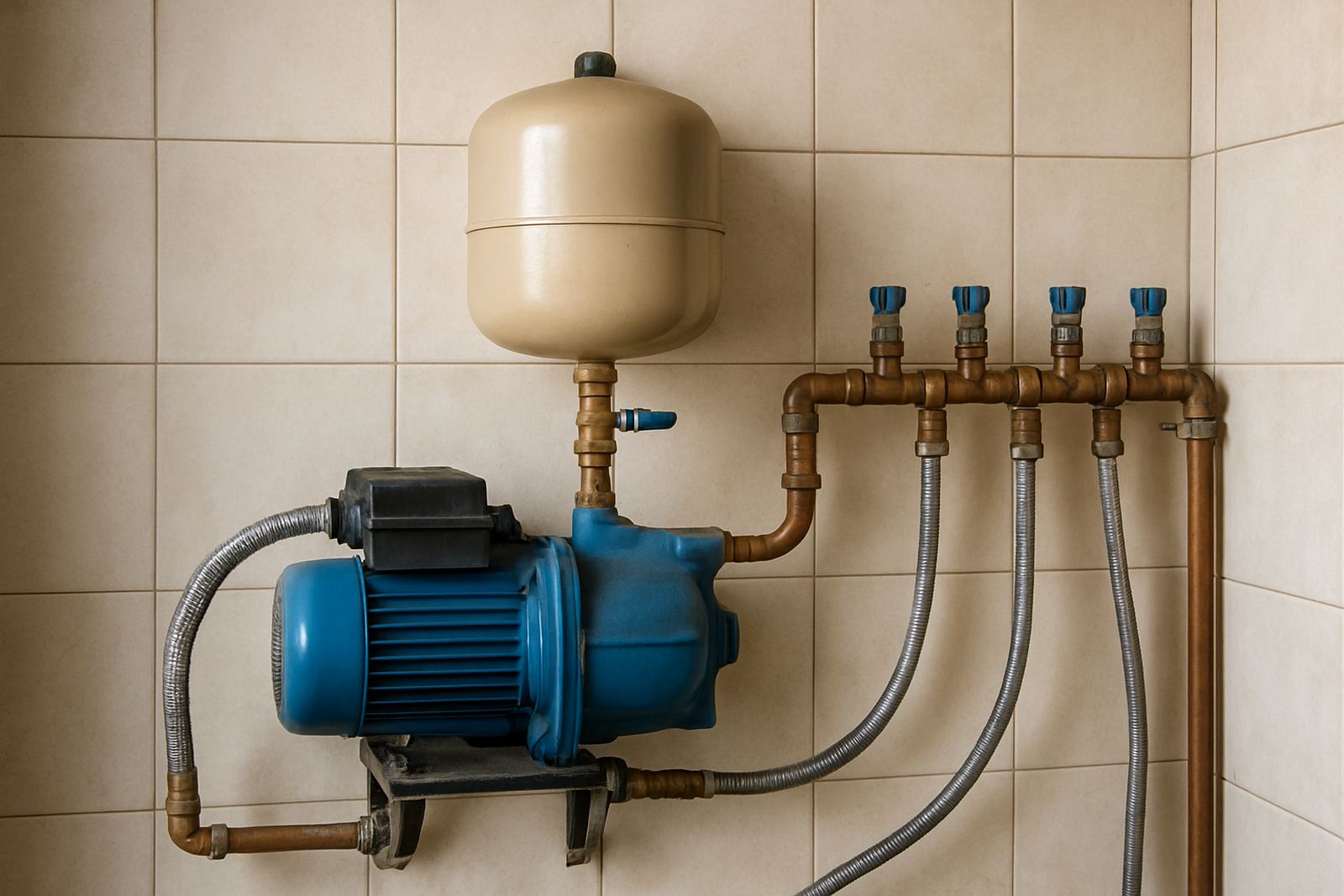
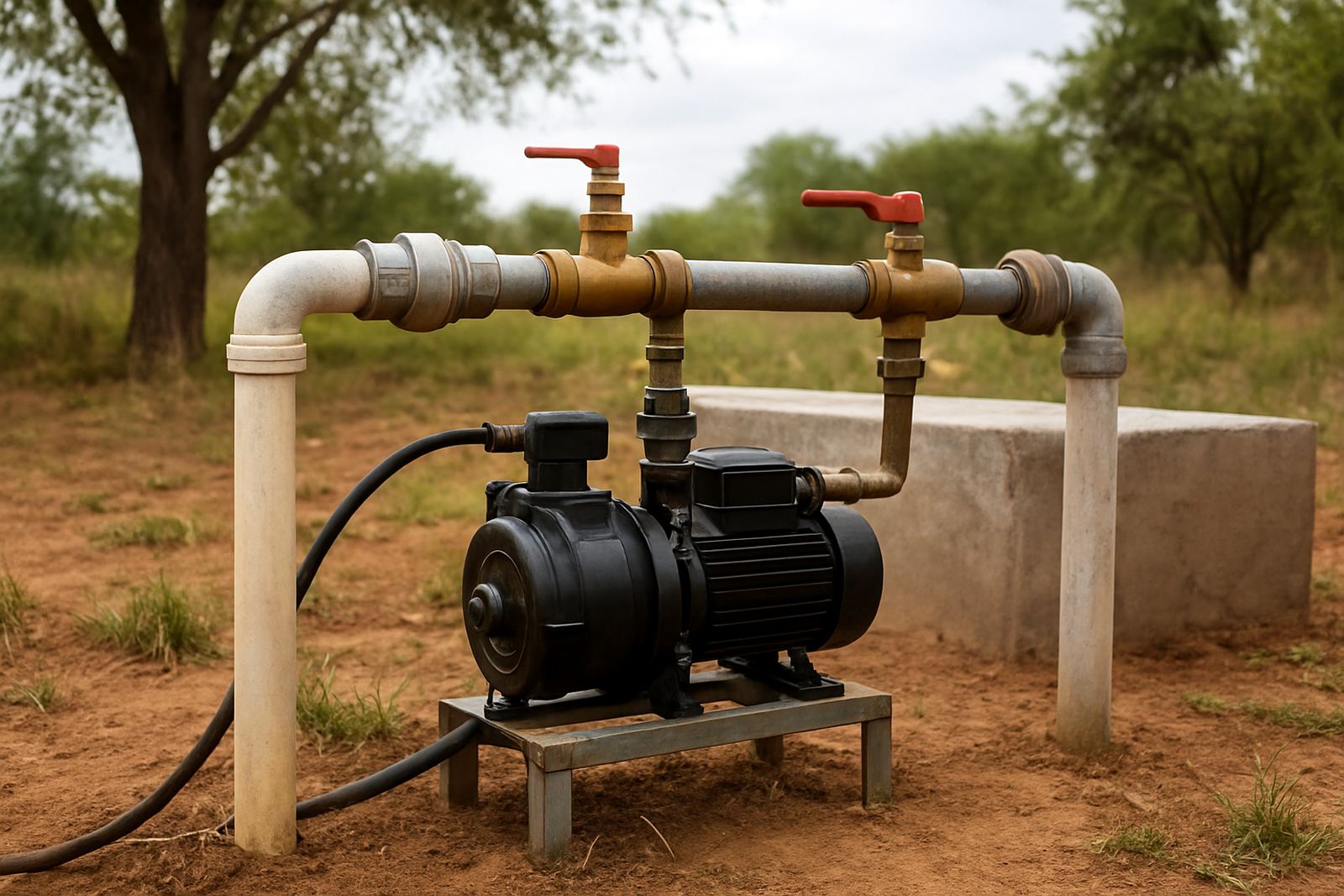
The Iron Filter Kit is installed on the main borehole supply line after the pump and before the water enters the house tank or pressure system. In some layouts the filter is placed after a settlement tank or pre-filter, depending on the amount of sand or silt in the water. A proper bypass is recommended so the water supply can keep running while the unit is being serviced.
Most versions do not need gas. Power needs are normally low, and many manual systems need no electricity at all once installed. Where an automatic control head is chosen, it will need a reliable power source and correct protection against surges and load-shedding changes. For off-grid sites, the simplest manual option is often preferred because it keeps the system easy to manage and less dependent on power. The pipework should be level, well supported, and fitted with enough space for media changes or valve access. A neat install also helps with future fault finding.
Care, Servicing and Water Testing
Like most borehole treatment equipment, this kit works best when it is checked regularly. The media may need backwashing or replacement depending on the iron load, the amount of water used and the quality of the source. In many homes a scheduled service every 6 to 12 months is enough, but heavy use on farms may call for more frequent checks.
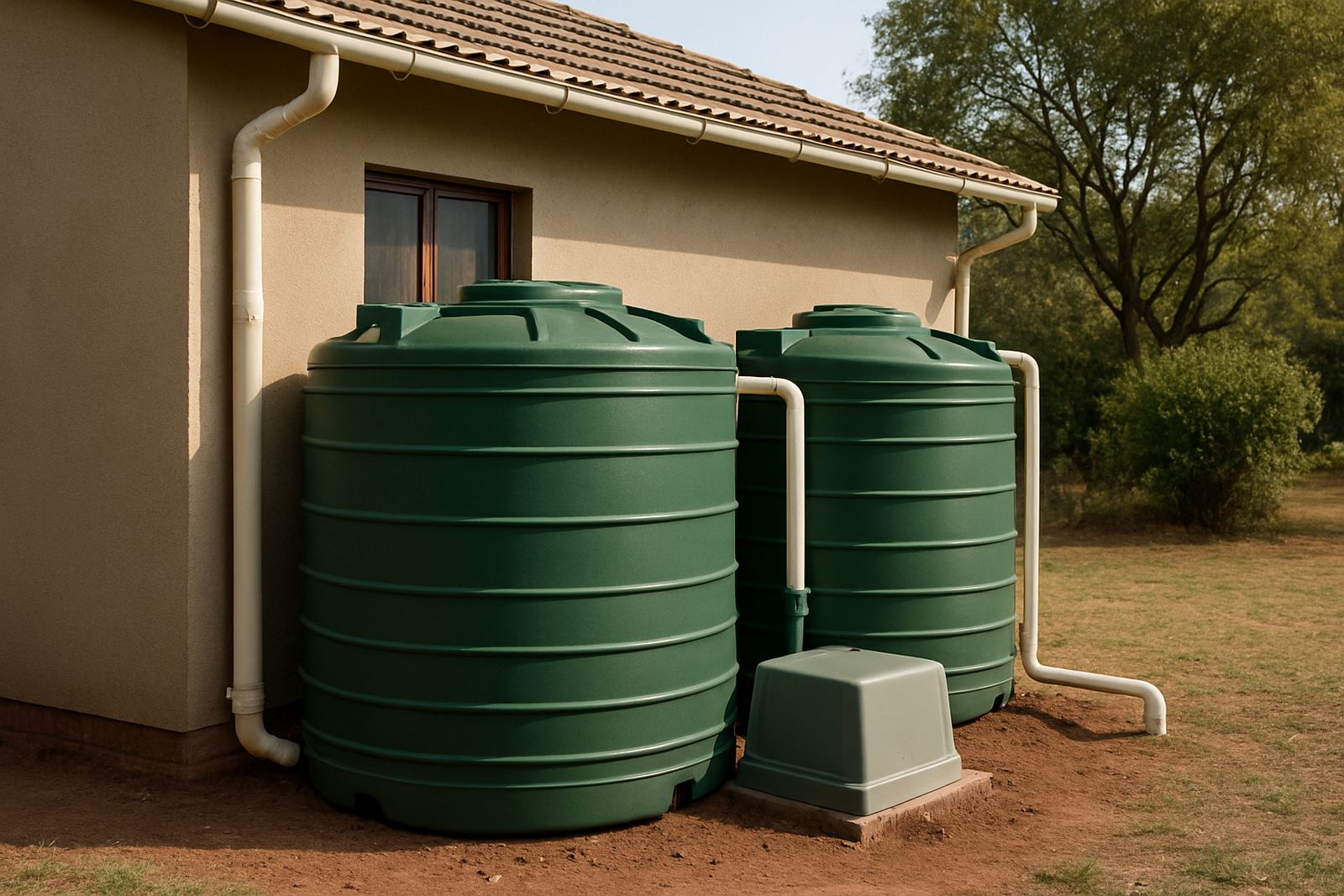
We recommend water testing before installation and again after the system has settled in. That tells you whether iron alone is the issue or whether manganese, sediment or hardness is also part of the problem. A tank that is not cleaned can hold old iron sludge and make the water look worse than it really is, so cleaning the storage side is often part of the job too. If a pump is cycling too often or pressure is dropping, it should be checked at the same time, because a filter cannot fix a pump fault.
- Check for staining at basins, toilets and laundry points
- Watch for a rise in pressure loss through the filter
- Inspect valves, unions and bypass fittings for leaks
- Keep records of service dates and water test results
- Replace worn media before the system starts passing iron again
What To Confirm Before You Order
To match the right kit to your borehole, we need a few practical details. Start with the borehole depth, pump size, tank size and daily water demand. If you already have a test report, send it through the enquiry form on our contact page so the correct media and vessel size can be selected. If not, we can still help by looking at the symptoms and the flow rate.
It helps to know whether the water is used for the whole house, only for outside taps, or for both household and farm use. Please also mention if the water is discoloured immediately, only after standing, or mainly after hot water use. If there are existing filters, softeners or pressure pumps in the line, that should be noted too. A small mistake on size choice can leave the system under-sized, so it is worth getting the details right first, even if the line looks simple on paper.
- Water test results for iron, manganese and sediment
- Flow rate needed in litres per minute
- Pipe size and available installation space
- Whether the system needs manual or automatic control
- Any tank, pump or pressure equipment already in place
Key facts
| Product type | Specialist iron reduction filter kit |
|---|---|
| Best for | Borehole water with iron staining and discolouration |
| Typical connections | 25 mm, 32 mm or 50 mm |
| Control option | Manual or automatic, depending on site needs |
| Installation position | Main supply line after pump, before point of use or tank feed |
| Support | Sizing, assembly, delivery, installation support and servicing |