
Water Needs For A Cottage That Is Empty Most Of The Week
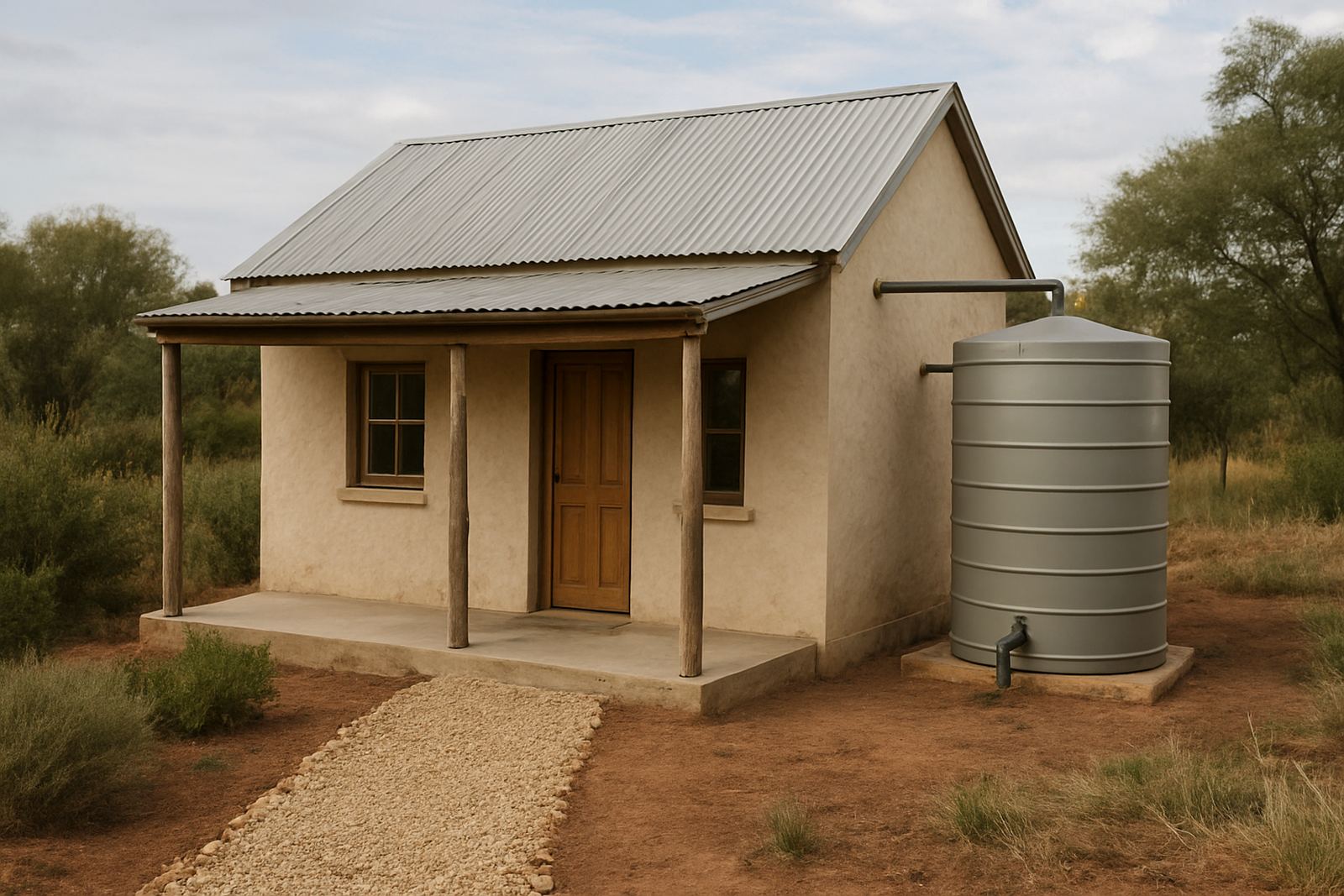
A weekend cottage is not the same as a full-time family home. Water use is usually lower, but it can spike fast when a few guests arrive, the garden gets a soak, or a long weekend lands during hot weather. The right setup is one that gives enough reserve for showers, basin use, a small kitchen and basic cleaning, without pushing you into a large, costly system that sits idle for most of the month.
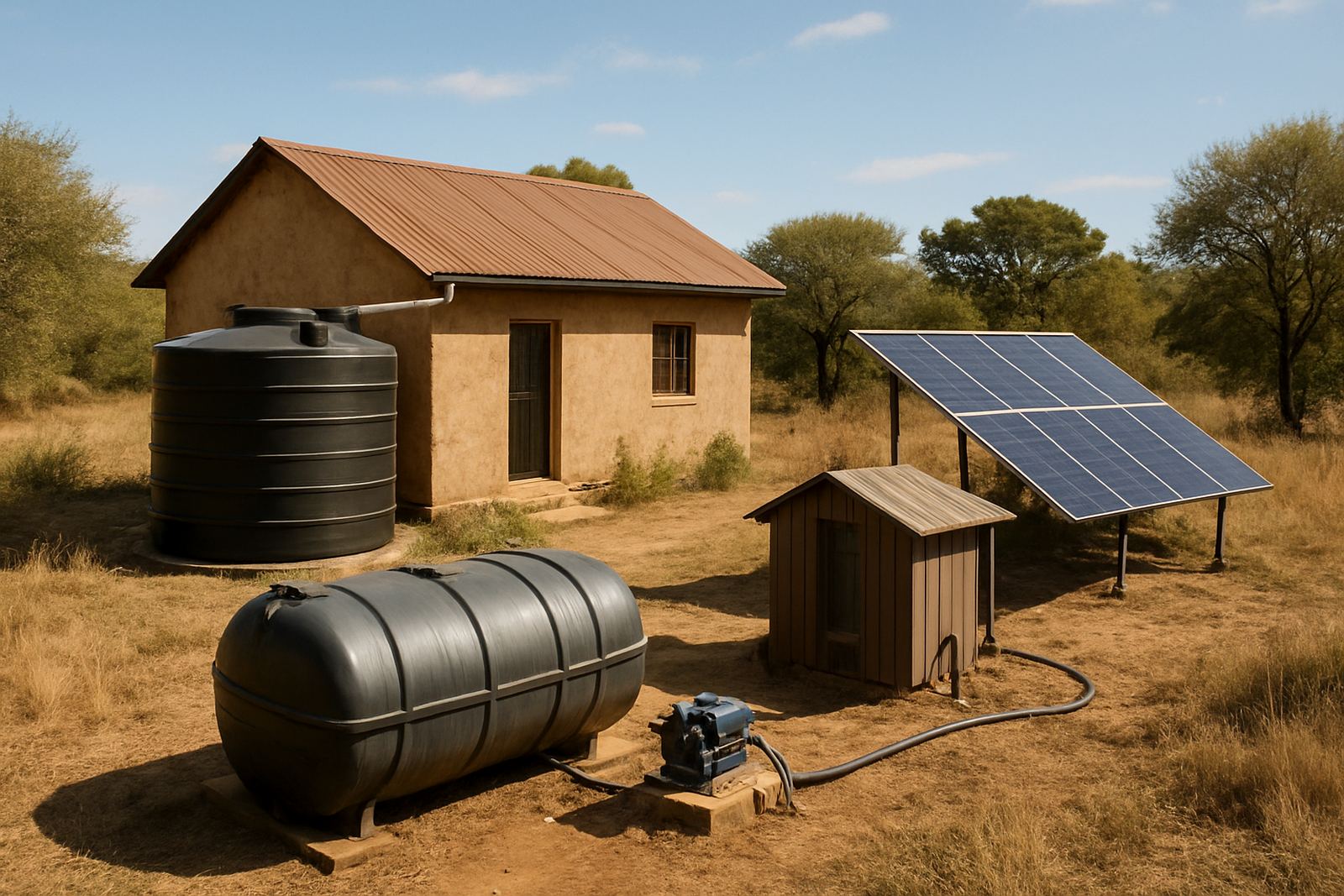
In places like Hartbeespoort, Brits and Rustenburg, many owners choose a simple borehole and tank arrangement so the cottage still has water during municipal interruptions or load-shedding. On the coast, especially around Paarl, Stellenbosch and Somerset West, filtration becomes more important because of taste, sediment and storage conditions in warm humid weather. The aim is not to overspecify, but to make sure the water stays usable when the place is locked up for weeks at a time.
For lighter occupancy, we usually look at daily demand in the range of 300 to 1 000 litres, depending on bathrooms, guests and whether there is a laundry point or outside tap. That helps decide tank size, pump size and the level of filtration needed.
Typical Kit Components For Light-Use Stays
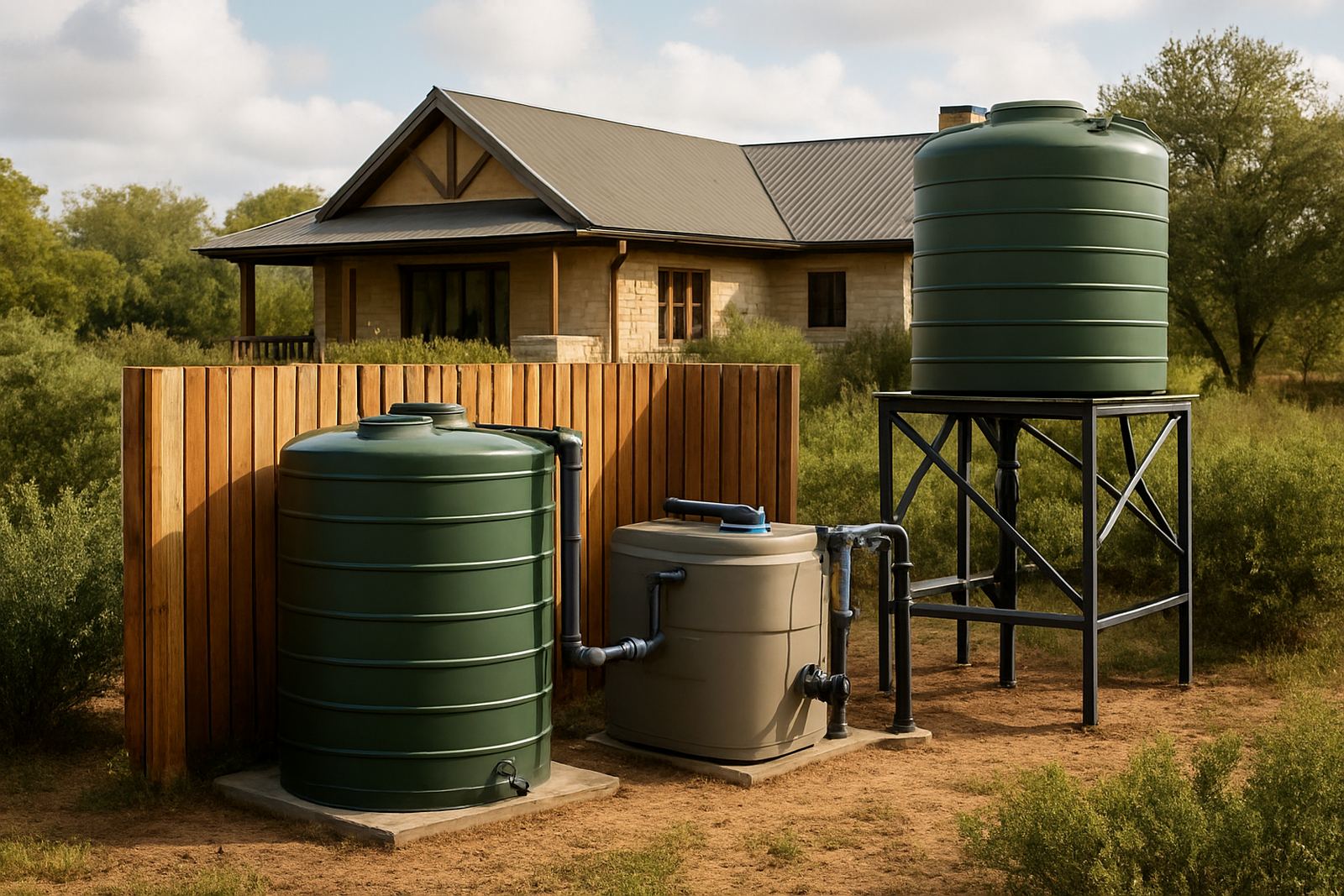
A cottage setup is usually kept straightforward so it is easy to maintain between visits. The best systems are those that can sit quietly, then start up without fuss when the owners arrive on Friday afternoon. A good kit may include a storage tank, pressure pump, basic filtration, pipework, fittings and float controls. If the water is from a borehole, we also look at pre-filtration and pump protection to reduce wear from sand or fine grit.
- 1 000 to 2 500 litre storage tank for short stays and modest guest numbers
- Pressure pump matched to taps, showers and a small geyser
- Sediment filter to catch dirt after rain or borehole draw
- Carbon or taste filter where water needs clearer flavour for drinking or cooking
- Basic level control and dry-run protection to avoid pump damage
- Pipework and valves arranged for easy shut-off when the cottage is vacant
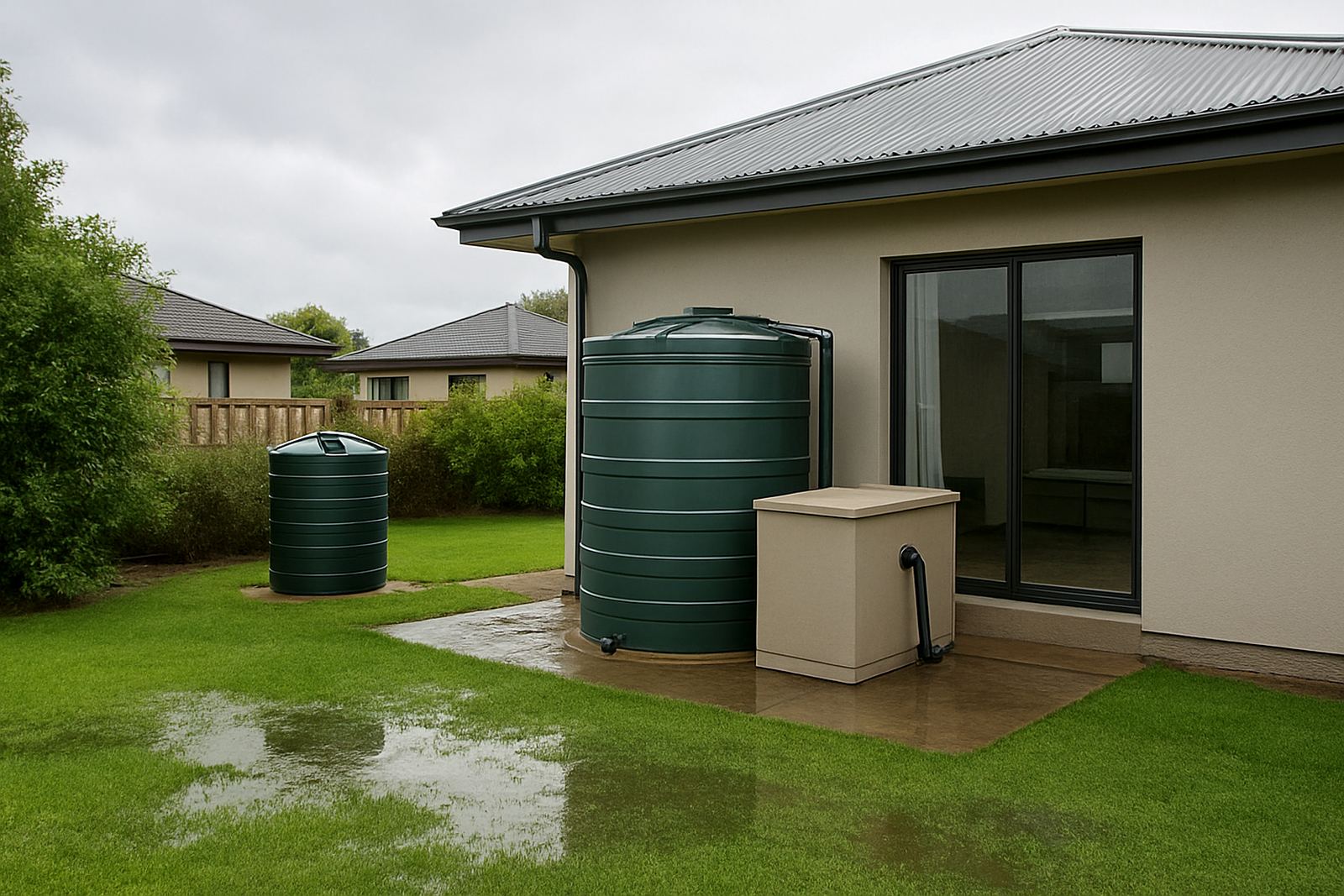
For some properties, a rain-tank setup is enough for flushing, outdoor cleaning and garden water, while treated borehole water handles the indoor use. Others prefer a borehole as the main supply with rainwater as a backup. The right mix depends on the property size, the roof area and how far the cottage is from the main house or pump room.
Layout Advice That Saves Trouble Later
Weekend cottages benefit from simple layouts. Keep the tank where it can be reached for inspection and cleaning, but away from direct sun where possible. If the tank is exposed, a cover or shaded position helps reduce algae growth and keeps the water cooler. On coastal sites, fittings and supports should be selected with corrosion in mind because salt air can shorten the life of cheap metal parts.
We also advise placing the pump and filtration where they can be serviced without moving furniture or disturbing guests. If the cottage is used only now and then, the system should have clear labels for valves and power isolation. That matters when someone arrives after a storm, or when a caretaker needs to check water before a rental changeover. In small towns around the North West, this practical planning often matters more than extra capacity.
If your property has municipal supply as well as backup storage, the changeover should be planned properly so the two sources do not interfere with each other. It helps to think through where the water enters, where it is stored and where it is used, rather than adding parts later in a rush.
Common Mistakes With Weekend Cottage Systems
Most problems with cottage water setups come from overcomplication or undersizing. People often buy a tank that is too small for a full weekend of guests, then wonder why the pressure drops by Sunday morning. Others fit a pump that is too strong for the pipework, which can cause noisy operation and extra strain on the system.
- Using a tank that cannot hold enough for two to three days of use
- Skipping filtration when borehole water contains sand or fine particles
- Placing the pump where it is hard to reach for maintenance
- Ignoring winter protection in colder inland areas like Bloemfontein
- Leaving the system unmarked, so nobody knows which valve does what
- Choosing parts that are difficult to service after long periods of inactivity
A second mistake is forgetting about water quality. If the cottage is used for drinking, coffee, cooking and guest accommodation, the water should be tested and filtered to suit the source. We often see systems that work for washing but not for clear drinking water, which leads to complaints and extra bottles being brought in. That defeats the point of having a proper supply on site.
Budget Ranges For Cottage-Size Water Setups
Budget depends on whether you are adding a tank to an existing source, building a complete borehole package, or combining rainwater storage with filtration. For a basic weekend cottage with modest water use, a simple rain-tank or storage-backed pressure system can start from around R18 000 to R35 000. That may suit a small lock-up-and-go cottage with one bathroom and limited indoor use.
For a more complete borehole-based setup with a tank, pump, filtration and installation support, many owners should expect roughly R35 000 to R85 000, depending on depth, pipe lengths, fittings and the level of purification required. If the site needs more storage, stronger pressure control or extra filtration for drinking water, the figure can move higher. On farms outside Pretoria or near Rustenburg, the scope may also include longer delivery runs and additional civil work.
The best way to control cost is to size the system for actual use, not for a dream occupancy level that never happens. A cottage used most weekends with occasional guests needs a different setup from a rental unit that is fully booked through school holidays.
How We Plan Weekend Cottage Projects From Brits To The Cape
We start with the source, the roof area if rain capture is part of the plan, and the number of people likely to use the cottage at once. From there we match tank capacity, filtration and pump duty to the real pattern of use. Our team can assist with site assessments, system sizing, kit assembly, delivery coordination, installation support, commissioning checks and annual maintenance.
For properties in Pretoria, Hartbeespoort and Brits, we often work around borehole backup for municipal interruptions. In Bloemfontein, seasonal swings and windblown dust can influence filter choice. In the Western Cape, owners often want storage, clean drinking water and simple maintenance that can be handled between visits without calling someone out every month.
Good weekend cottage water planning should be practical. It should start easily, stay clean between visits and not give you surprise costs when the guests are already on the road. That is the standard we work to.